

The case
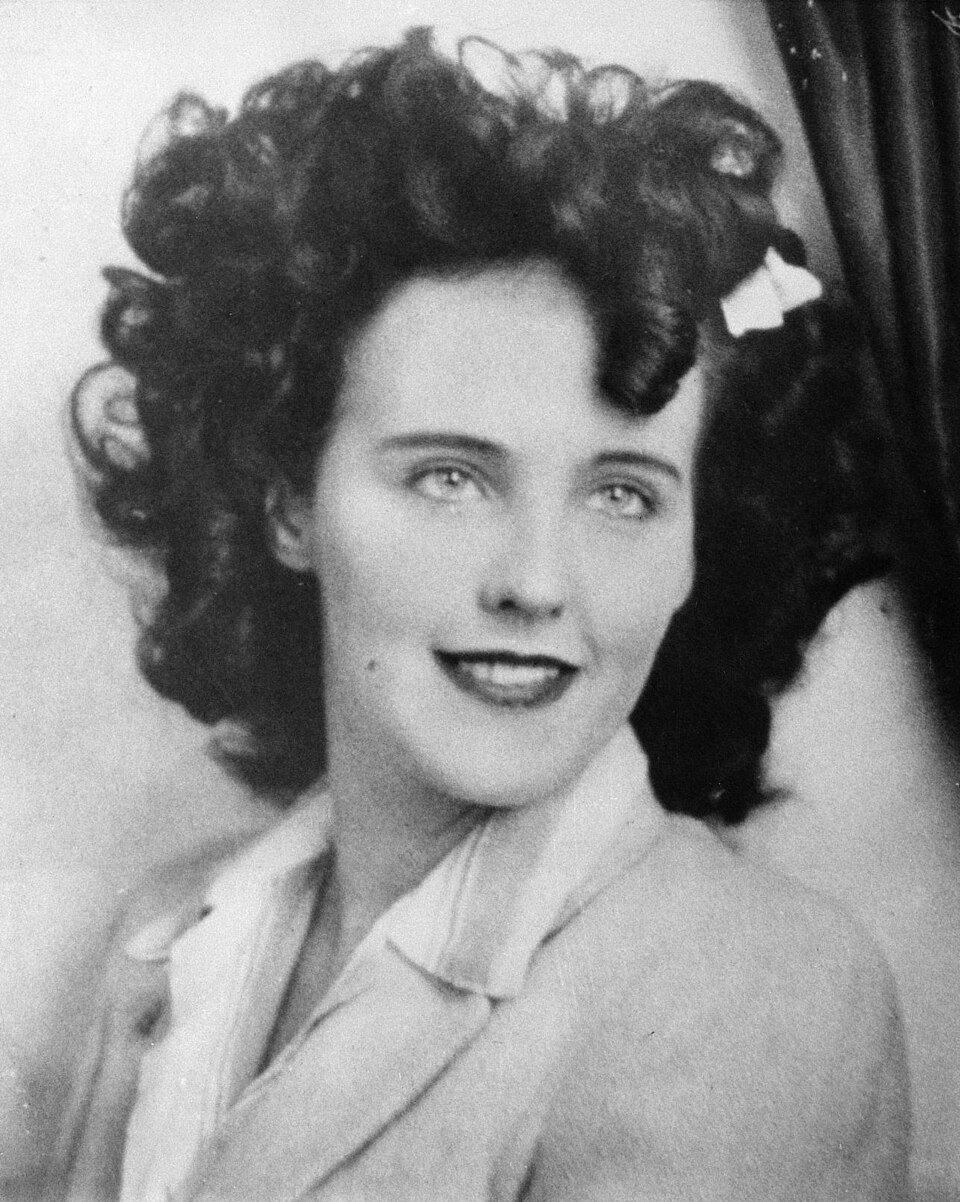
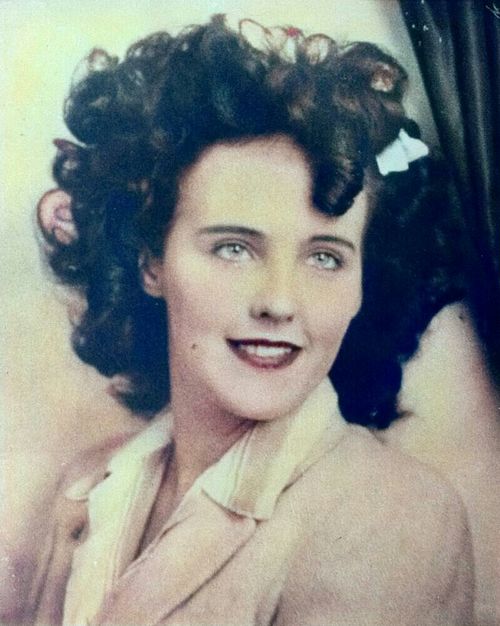
The name the world remembers was not hers. Elizabeth Short was a 22-year-old from Medford, Massachusetts, who had spent six restless months in southern California. The newspapers that covered her murder in January 1947 called her the Black Dahlia, a play on the recent film The Blue Dahlia, and within weeks the nickname had all but replaced the woman.
Short's last confirmed movements came on January 9, 1947. Robert "Red" Manley, a married salesman she had been seeing, drove her back to Los Angeles from San Diego and left her at the Biltmore Hotel downtown, where she said she was meeting her sister. What she did over the following days, the so-called missing week, has never been established. Many people later said they had seen her; investigators ruled out every sighting they could check.
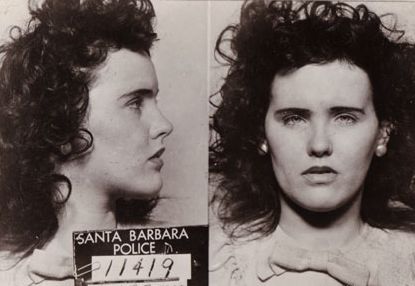
On the morning of January 15, a woman walking with her small daughter found Short's body in a vacant lot on South Norton Avenue in Leimert Park, then a half-built residential district. She had been killed elsewhere and left there. The coroner found that she had died of blood loss following blows to the head. Her fingerprints, on file with the FBI from a 1943 arrest for underage drinking in Santa Barbara, identified her within a day.
What followed was one of the most competitive newspaper stories in Los Angeles history. Reporters from the Hearst-owned Examiner telephoned Short's mother in Boston and, before telling her that her daughter was dead, drew out details of her life by pretending she had won a beauty contest. The Examiner and the Herald-Express ran the case on the front page for weeks, filling gaps with invented stories about torture, wild living and secret lovers that the police, wanting to keep real details back, did little to correct.
The killer, or someone posing as him, joined in. On January 21 a caller to the Examiner promised souvenirs, and three days later a packet arrived bearing pasted-on newspaper letters. It contained Short's birth certificate, photographs, business cards and an address book embossed with the name of a Hollywood nightclub owner at whose home she had sometimes stayed. The contents had been wiped with gasoline. Further notes signed "Black Dahlia Avenger" promised a surrender that never came.
The investigation was huge and unproductive. Hundreds of officers from the Los Angeles Police Department and Sheriff's Department searched drains, riverbeds and empty buildings. Scores of men were questioned, more than fifty people confessed in the first months, and every confession was rejected. Manley and the nightclub owner were investigated and cleared. By spring the case had gone cold. In 1949 a Los Angeles County grand jury looked into the failure to solve this and a run of other killings of women in the area, but no charges came of it.
Since then the list of proposed suspects has only grown. Authors have named George Hodel, a Los Angeles physician whose house was bugged by investigators in 1950; a bellhop questioned in 1949 and released; Walter Bayley, a surgeon who lived near the lot; and many others, along with supposed links to murders in Cleveland and Chicago. Each theory has its advocates and its critics. None has been tested in court, and the case remains open.
The victims
Elizabeth Short was born on July 29, 1924, in Boston, the third of five daughters of Cleo and Phoebe Short, and grew up in Medford. When she was six her father's car was found abandoned on a Charles River bridge and the family assumed he had drowned; he resurfaced years later, alive and living in California. Short suffered from asthma and bronchitis and spent winters in Florida as a teenager, leaving high school without graduating. At eighteen she went west to live with her father in Vallejo, but the arrangement soon broke down.
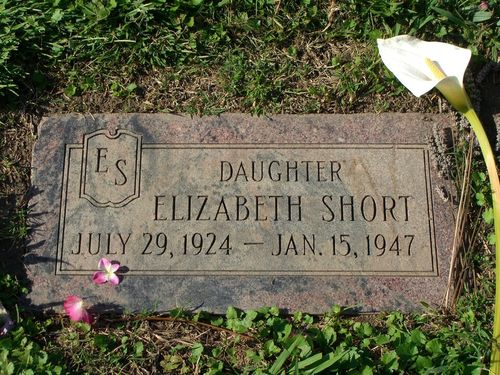
She worked at an army base exchange near Lompoc, moved between Massachusetts, Florida and California, and became engaged to Major Matthew Gordon, an Army Air Forces officer who was killed in an air crash in India in August 1945. Friends remembered her as striking and sociable, fond of dressing in black, and short of money. She is often described as an aspiring actress, though she had no known acting work. Much of what was printed about her private life after her death came from reporters who never met her and has been contradicted by the official record. She is buried at Mountain View Cemetery in Oakland, California.
Timeline
Elizabeth Short is born in the Hyde Park neighborhood of Boston.
Short moves to Vallejo, California, to live with the father she had believed dead.
She is arrested for underage drinking in Santa Barbara, leaving fingerprints on federal file.
Her fiancé, Major Matthew Gordon, dies in an air crash in India.
Short arrives in the Los Angeles area, where she spends the last six months of her life.
Robert Manley drops Short at the Biltmore Hotel; it is her last confirmed sighting.
Her body is found in a vacant lot on South Norton Avenue in Leimert Park.
A packet containing Short's birth certificate and address book is mailed to the Examiner.
A writer calling himself the Black Dahlia Avenger fails to appear at a promised surrender and sends another note.
California legislators, prompted partly by the case, move toward the first statewide sex-offender registry.
A Los Angeles County grand jury examines the police failure to solve the case and other murders of women.
People in the case
-
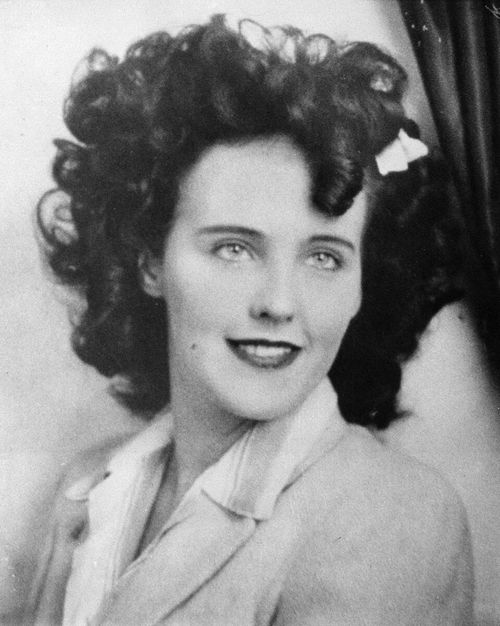
Elizabeth Short Victim
29 July 1924 – January 1947
Massachusetts-born woman killed in Los Angeles; nicknamed the Black Dahlia by the press. Killed around January 14-15, 1947.
-
Robert "Red" Manley Witness
? – 9 January 1986
Salesman, about 25 in 1947, who last saw Short on January 9 at the Biltmore Hotel; questioned and cleared.
-
George Hodel Suspect
10 October 1907 – 16 May 1999
Los Angeles physician investigated around 1949-50; publicly accused only after his death. Never charged.
-
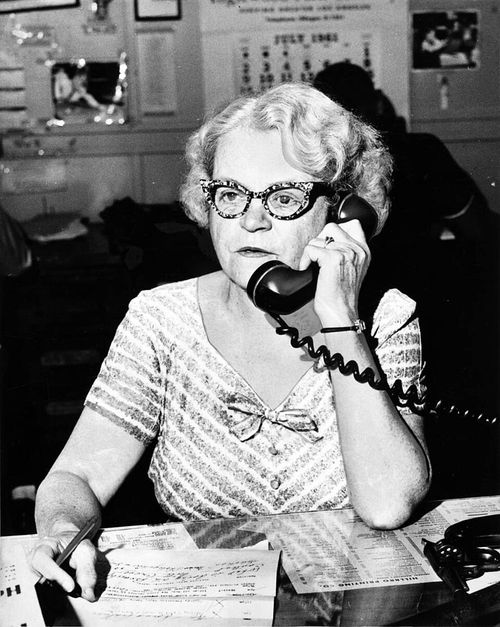
Agness Underwood Also involved
17 December 1902 – 3 July 1984
Herald-Express crime reporter among the first journalists at the scene.
-
Cleo Short Also involved
18 October 1885 – 19 January 1967
Elizabeth's father, who had left the family in 1930 and was living in California.
-
Phoebe Short Also involved
2 July 1897 – 1 March 1992
Elizabeth's mother, who learned of her death from Examiner reporters.
Where it happened
- South Norton Avenue, Leimert Park, Los Angeles. Then a vacant lot, where Short's body was found; now a row of houses.
- Biltmore Hotel, Los Angeles. Where Short was last confirmed alive, on January 9, 1947.
- Mountain View Cemetery, Oakland. Short's grave.
Outcome
Unsolved Unsolved
No one was ever charged with Elizabeth Short's murder. Dozens of confessions were rejected, the principal suspects of 1947 were cleared, and a 1949 grand jury inquiry produced no indictment. The case remains officially open.
What the record settles, and what it doesn't
Established
- Elizabeth Short was last confirmed alive on January 9, 1947, when Robert Manley left her at the Biltmore Hotel in downtown Los Angeles.
- Her body was found on January 15, 1947, in a vacant lot on South Norton Avenue; she had been killed somewhere else.
- She was identified from fingerprints taken at her 1943 arrest in Santa Barbara.
- Someone mailed her birth certificate, photographs and address book to the Los Angeles Examiner on January 24, 1947.
- More than fifty people confessed in the first months, and hundreds more since; none of the confessions has been accepted.
- No one has ever been charged with the murder.
Disputed
- Who killed her: the many proposed suspects include George Hodel, Walter Bayley, a bellhop questioned in 1949, and the nightclub owner whose address book was mailed in, and each case rests on circumstantial argument that critics have challenged.
- Whether the mailed packet and "Avenger" notes came from the killer or from a hoaxer exploiting the publicity.
- Where she was between January 9 and 15, 1947; dozens of reported sightings were never confirmed.
- The origin of the nickname: some accounts say acquaintances at a Long Beach drugstore used it in 1946, others that reporters coined it after her death.
- Claims about her private life printed in 1947 and repeated in later books, which researchers working from official files say are unsupported.
- Links to other crimes, including the Cleveland Torso murders and the 1946 Degnan killing in Chicago, which some writers propose and most investigators have discounted.
Pictures




Afterwards
Short's mother moved to Oakland to be near her daughter's grave and later returned to the East Coast; she died in 1992. The case helped prompt California to adopt the first state sex-offender registration law in the United States in 1947. The Examiner's treatment of the Short family became a standing example of the worst of Los Angeles crime journalism.
The murder has since become a fixture of popular culture, from a 1987 crime novel titled The Black Dahlia and its 2006 film adaptation to a long shelf of books, each offering a different solution. That industry has its own cost. Short herself has often been reduced to a symbol of Hollywood's broken promises, and many of the claims made about her, from prostitution to a secret double life, have no basis in the investigative files.
Questions readers ask
Who was the Black Dahlia?
Elizabeth Short, a 22-year-old woman from Medford, Massachusetts, who was murdered in Los Angeles in January 1947. The press gave her the nickname after her death, probably as a play on the 1946 film The Blue Dahlia.
Was the Black Dahlia murder ever solved?
No. Nobody has ever been charged. Many suspects have been proposed in books and documentaries, but none of the theories has been proven.
Who is the main suspect in the Black Dahlia case?
There is no official suspect. Popular theories have focused on George Hodel, a Los Angeles physician who died in 1999, and on a bellhop questioned in 1949, among others. Each has strong advocates and strong critics.
Where is Elizabeth Short buried?
At Mountain View Cemetery in Oakland, California.
Sources and further reading
- Black Dahlia (Wikipedia)
- Black Dahlia suspects (Wikipedia)
- FBI Records: The Vault, Black Dahlia (Elizabeth Short)
- Wikidata Q233693 (life dates checked here)
Written by Sinister Crimes from the sources above; see our editorial standards. Last checked 1 November 2026.