
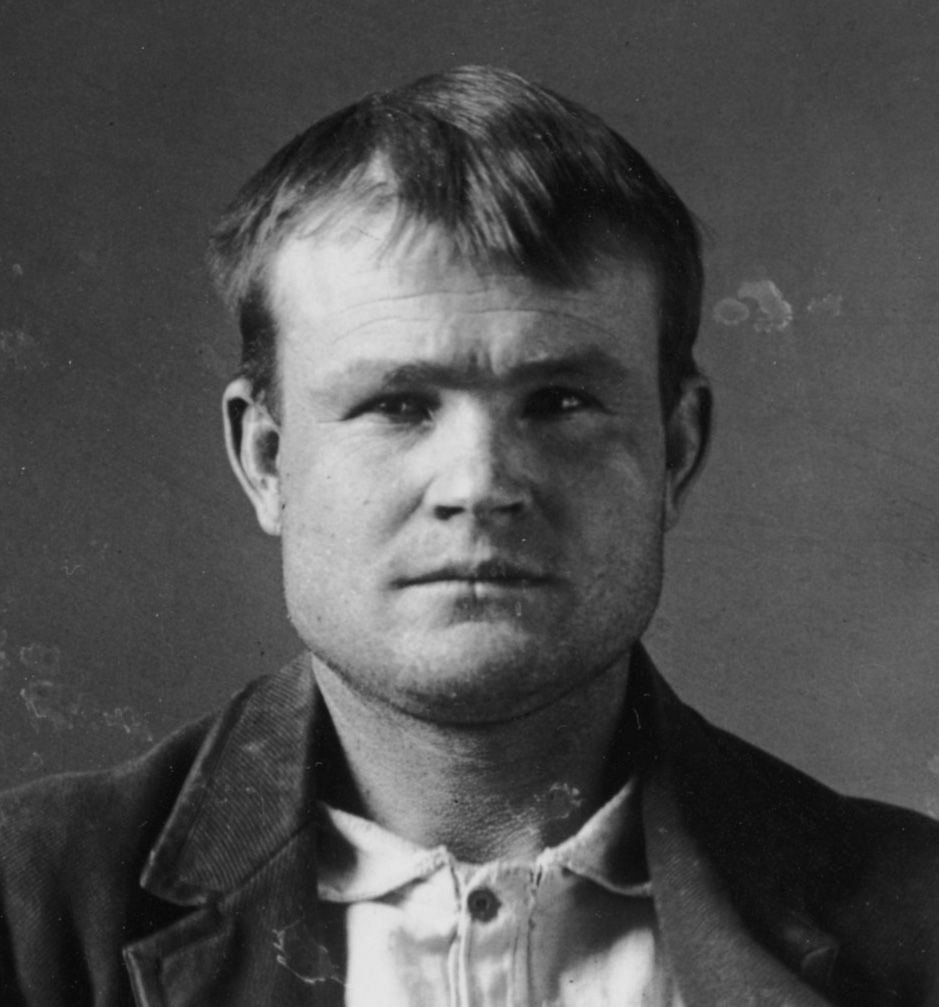

The case
The mule gave them away. In November 1908 two English-speaking strangers took a room in a boarding house in San Vicente, a mining settlement high in the Bolivian Andes, and the man who owned it noticed that one of their animals carried the brand of the Aramayo mining company, whose payroll had been held up on the road a few days earlier. He passed word to a small cavalry detachment nearby. By the next morning both strangers were dead, and the Bolivian authorities had no idea who they were.
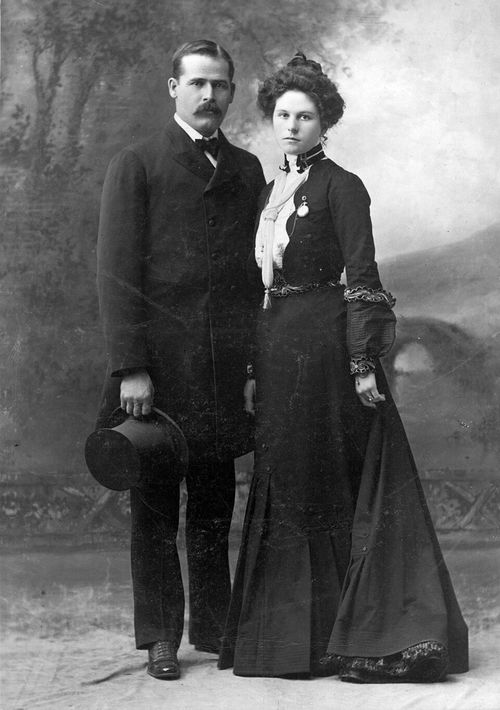
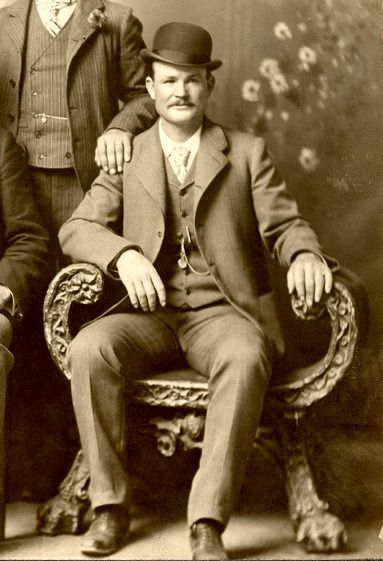
The likeliest answer is the two most famous outlaws of the American West's last years. Robert LeRoy Parker was born in 1866 in Beaver, Utah Territory, the eldest of thirteen children of English-born Mormon parents, and grew up near Circleville. He fell in with a rustler named Mike Cassidy, whose surname he borrowed; the "Butch" is said to come from a spell working for a butcher in Rock Springs, Wyoming. His first known robbery was of the San Miguel Valley Bank in Telluride, Colorado, on 24 June 1889. Harry Alonzo Longabaugh was born in Pennsylvania in 1867 and drifted west at fifteen. He took his nickname from Sundance, Wyoming, after serving eighteen months in jail for stealing a horse, saddle and gun there.
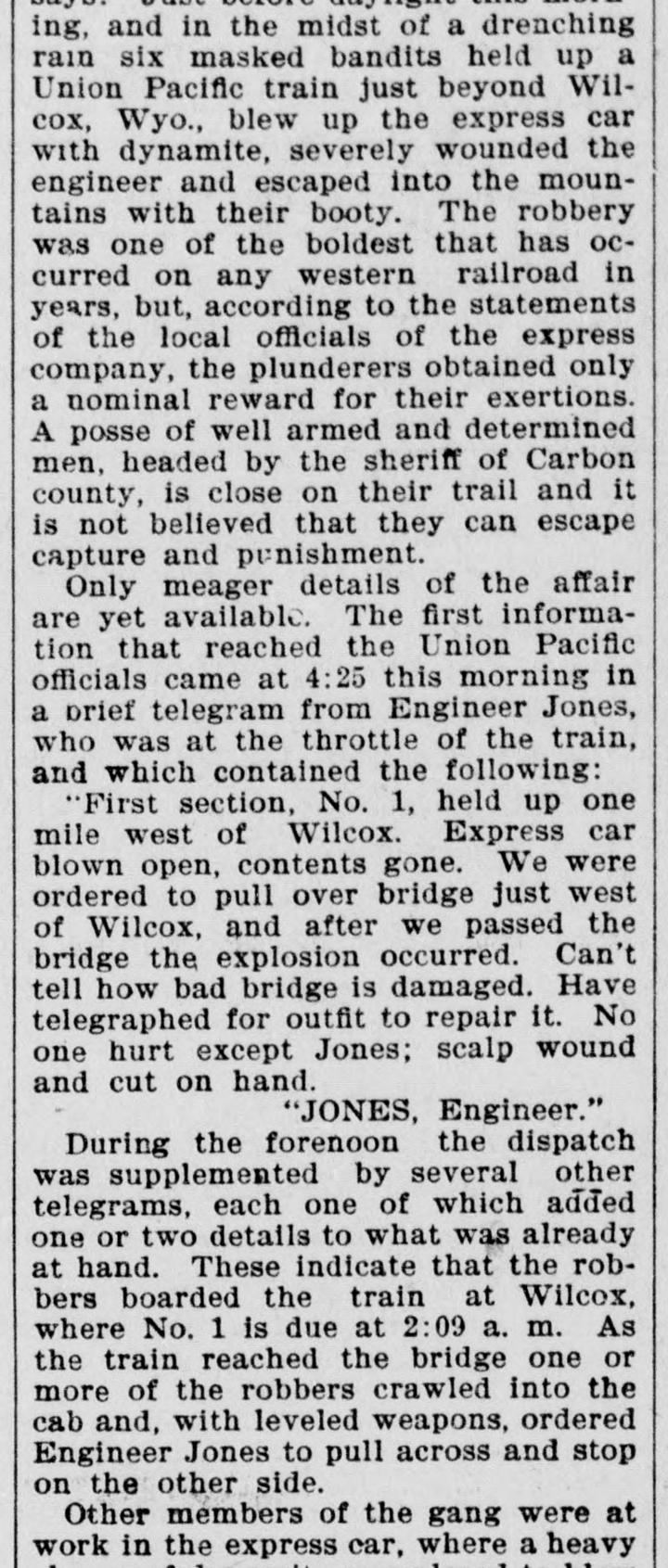
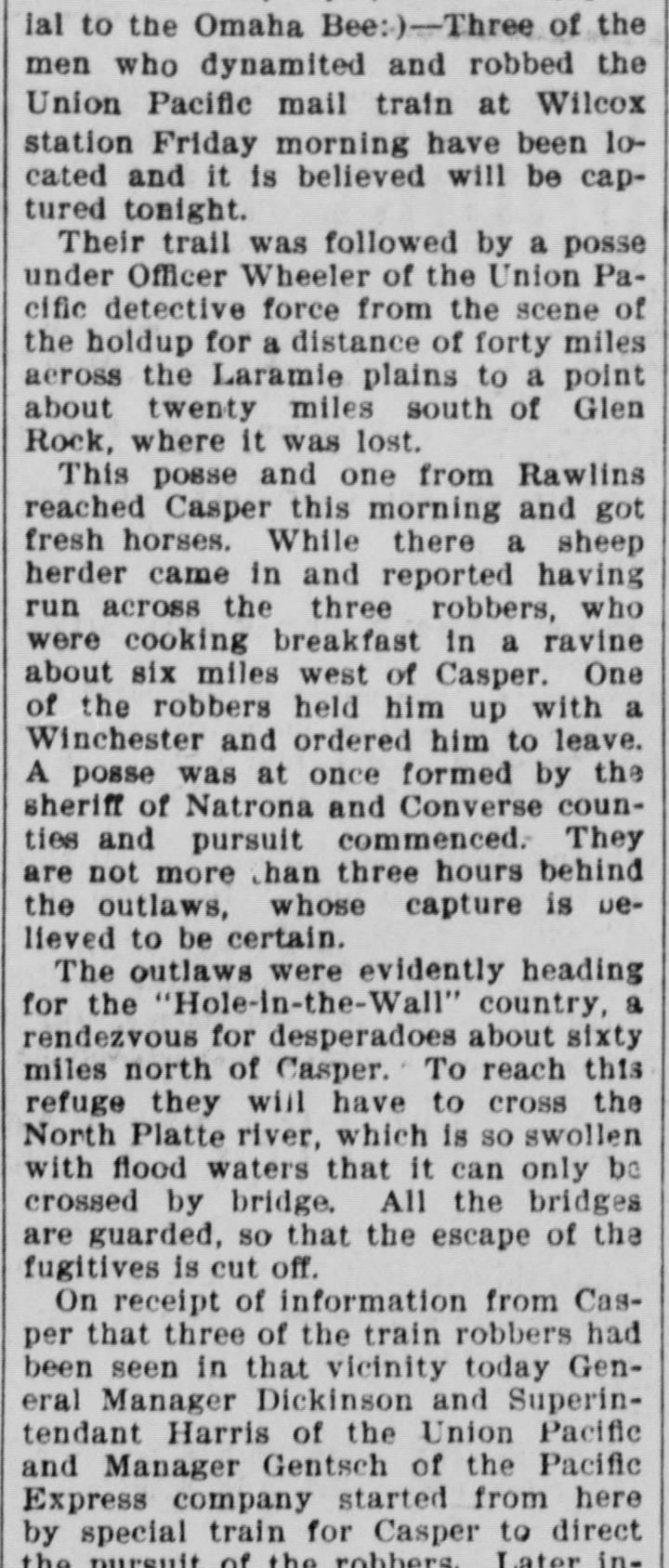
Cassidy served eighteen months of a two-year sentence in the Wyoming penitentiary for horse theft and was pardoned in January 1896. Soon afterwards he was at the centre of a loose association of outlaws later called the Wild Bunch, among them Elzy Lay, Harvey Logan (Kid Curry), Ben Kilpatrick and Will Carver, who used remote hideouts such as Hole-in-the-Wall in Wyoming and Robbers Roost in Utah. They robbed the bank at Montpelier, Idaho, in August 1896, the Pleasant Valley Coal Company payroll at Castle Gate, Utah, in April 1897, and the Union Pacific's Overland Flyer near Wilcox, Wyoming, on 2 June 1899. Longabaugh joined them in this period. In the pursuit after Wilcox, Sheriff Joe Hazen was shot dead, and Logan, who killed several lawmen, made the gang far more dangerous than its genial leader's reputation suggests.
Cassidy explored an amnesty through Utah's governor, but the gang robbed another Union Pacific train near Tipton, Wyoming, on 29 August 1900, ending any chance of it. A raid on the First National Bank at Winnemucca, Nevada, three weeks later is usually credited to Cassidy and Longabaugh, though not everyone accepts that Cassidy was there. In Fort Worth that winter five of them sat for a group portrait in new suits; the Pinkerton agency obtained a copy and put their faces on wanted posters.
On 20 February 1901 Cassidy, Longabaugh and Longabaugh's companion Etta Place sailed from New York for Buenos Aires. They took up a ranch near Cholila in Argentine Patagonia and seem for a time to have lived quietly. By 1905 the Pinkertons knew where they were, and after an arrest warrant was issued the three sold up and moved on. In December 1905 four bandits, believed to include Cassidy, Longabaugh and Place, robbed the Banco de la Nación at Villa Mercedes in San Luis province and crossed into Chile. Place returned to the United States in 1906. The two men found work guarding payrolls at the Concordia tin mine in Bolivia.
On 3 or 4 November 1908, accounts differ, two masked Americans took the Aramayo, Francke and Company payroll from its courier near Tupiza. On the evening of 6 November soldiers, the local police chief and the mayor's party approached the San Vicente boarding house to arrest the strangers. The men inside opened fire and killed a soldier, and the exchange went on for hours. Around two in the morning those outside heard a man scream, then two shots. At daylight they found both men dead, one with a bullet wound in the forehead and one in the temple. The local report concluded that one had shot his badly wounded companion and then himself.
They were buried in the San Vicente cemetery as unknown foreigners. Bolivian officials connected them to the payroll robbery but did not name them, and the identification as Cassidy and Longabaugh rests on circumstantial evidence assembled later from Pinkerton files, letters and local records. That gap gave room for stories that one or both came home.
The victims
In the United States the gang's robberies were mostly against railroads, banks and company payrolls rather than individuals, and no killing has been proved against Cassidy himself before Bolivia. People did die around the Wild Bunch, though: Sheriff Joe Hazen was killed by gang members in the pursuit after the Wilcox robbery, and Harvey Logan shot several lawmen in the years that followed. At San Vicente a Bolivian soldier was killed and another wounded when the men in the boarding house opened fire on the patrol sent to arrest them; his name does not appear in the accounts I could verify.
Timeline
Robert LeRoy Parker is born in Beaver, Utah Territory.
Cassidy and companions rob the San Miguel Valley Bank in Telluride, Colorado.
Cassidy is pardoned and released from the Wyoming penitentiary after serving eighteen months for horse theft.
The gang robs the bank at Montpelier, Idaho.
Cassidy and Elzy Lay take the Pleasant Valley Coal Company payroll at Castle Gate, Utah.
The Wild Bunch robs the Union Pacific Overland Flyer near Wilcox, Wyoming.
Cassidy, Longabaugh and others rob a Union Pacific train near Tipton, Wyoming.
Three men rob the First National Bank of Winnemucca, Nevada; the raid is usually attributed to Cassidy and Longabaugh.
Cassidy, Longabaugh and Etta Place sail from New York for Buenos Aires.
Fearing arrest, they sell the Cholila ranch in Patagonia.
Four bandits believed to include Cassidy and Longabaugh rob the Banco de la Nación at Villa Mercedes, Argentina.
Two masked Americans rob the Aramayo company payroll in southern Bolivia (some accounts say 4 November).
Soldiers and local officials surround the boarding house at San Vicente and a firefight begins.
Both men are found dead in the house in the morning.
People in the case
-
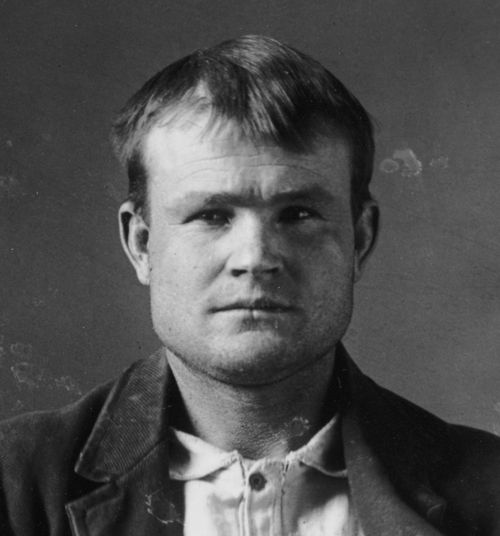
Butch Cassidy (Robert LeRoy Parker) Perpetrator
13 April 1866 – 7 November 1908
Leader of the Wild Bunch; believed to be one of the two men who died at San Vicente.
-
The Sundance Kid (Harry Alonzo Longabaugh) Perpetrator
1867 – 7 November 1908
Cassidy's partner in South America; believed to be the second man at San Vicente. Wikipedia gives his birth as 24 May 1867; Wikidata gives only the year.
-
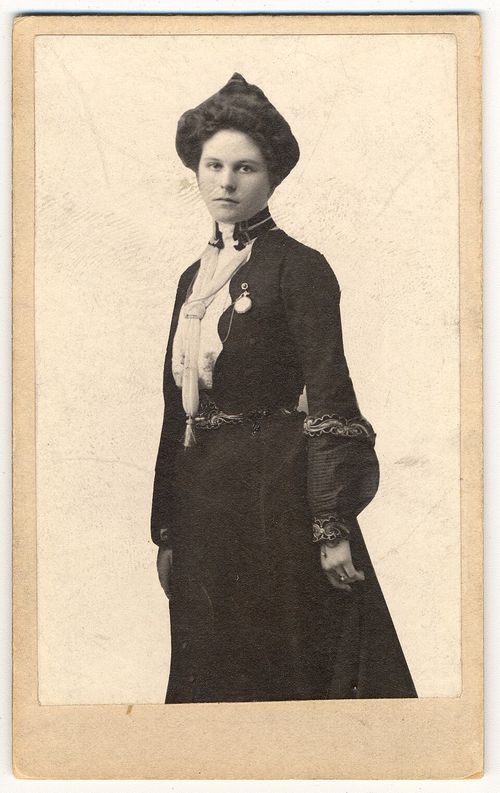
Etta Place Accomplice
1878 – ?
Longabaugh's companion in Argentina; her real name and later life are unknown. Birth year is an estimate.
-
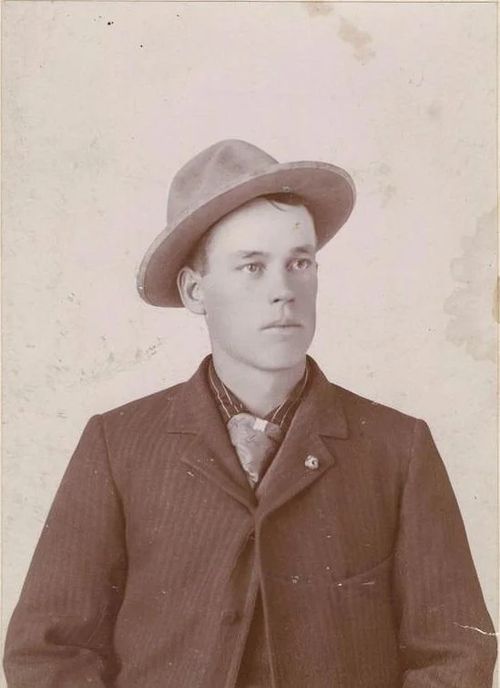
Elzy Lay Accomplice
25 November 1868 – 10 November 1934
Cassidy's closest friend in the Wild Bunch; sentenced to life in New Mexico after the 1899 Folsom train robbery and released in 1906.
-
Harvey Logan (Kid Curry) Accomplice
1867 – 17 June 1904
The gang's most violent member; died in Colorado in 1904. Wikidata also gives 9 June as his death date.
-
Ben Kilpatrick Accomplice
5 January 1874 – 12 March 1912
Wild Bunch member in the Fort Worth photograph; captured in St. Louis in 1901 and killed during a train robbery near Sanderson, Texas, in 1912.
-
Charlie Siringo Investigator
7 February 1855 – 18 October 1928
Pinkerton detective who spent years tracking the Wild Bunch.
Where it happened
- Telluride, Colorado. Site of Cassidy's first known bank robbery in 1889.
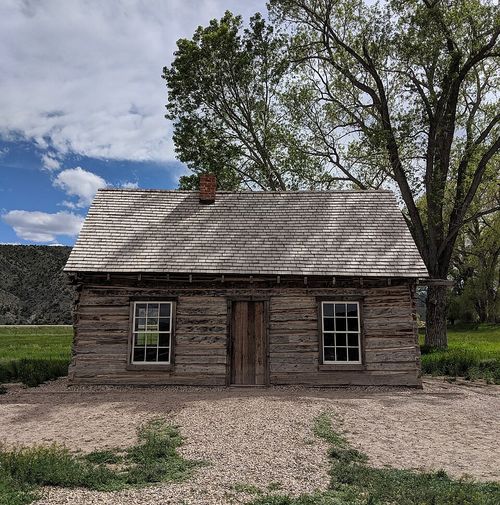
- Circleville, Utah. Where Cassidy grew up; his childhood cabin still stands nearby.
- Cholila, Argentina. Near the Patagonian ranch the three lived on from about 1901 to 1905.
- San Vicente, Bolivia. Mining settlement where the two Americans died in November 1908.
Outcome
Killed before trial Killed
Neither man was ever tried for the Wild Bunch robberies. Cassidy's only prison term was for horse theft in Wyoming, 1894 to 1896, and Longabaugh's an eighteen-month sentence for horse theft in 1887 to 1889. The two men who died at San Vicente on 6 to 7 November 1908 were killed by their own hands or each other's after a siege by Bolivian soldiers and officials, and were buried unidentified.
What the record settles, and what it doesn't
Established
- Robert LeRoy Parker (Butch Cassidy) and Harry Longabaugh (the Sundance Kid) were members of the outlaw group known as the Wild Bunch, which robbed banks, trains and payrolls between 1896 and 1901.
- The Wilcox train robbery of 2 June 1899 and the Tipton robbery of 29 August 1900 were carried out by the gang.
- Cassidy, Longabaugh and Etta Place sailed from New York to Buenos Aires in February 1901 and ranched near Cholila, Argentina.
- In November 1908 the Aramayo company payroll was robbed in southern Bolivia by two Americans, who were then besieged at a boarding house in San Vicente.
- Two men were found dead in the San Vicente house after the siege, and a Bolivian soldier was killed in the gunfight.
- A 1991 forensic search of the San Vicente cemetery did not find remains matching the DNA of living relatives of either outlaw.
Disputed
- Whether the two men at San Vicente were Cassidy and Longabaugh: most historians accept it on circumstantial evidence, while doubters point to the lack of any identified body.
- The family legend, published by Cassidy's sister Lula Parker Betenson, holds that he returned to Utah in the 1920s and died in the Northwest in 1937. It has no documentary support and is treated by historians as legend.
- Claims that Longabaugh lived on as William Henry Long of Duchesne, Utah, were tested in 2008; DNA from Long's remains did not match a relative of the Sundance Kid.
- Whether Cassidy took part in the Winnemucca bank robbery of September 1900 is contested even by local historians.
- Who Etta Place really was and what became of her after 1906 are unknown.
In the newspapers of the day
Clippings from American newspapers digitised by the Library of Congress. The excerpt under each is the library's machine-read text, uncorrected; read the original page for the full report.
The frontier (O'Neill City, Holt County, Neb.)
, page 7 · The Wilcox train robbery
Union Pacific train Just beyond Wil- cox, Wyo., blew up the express car with dynamite, severely …
The loup city northwestern (Loup City, Neb.)
, page 3 · The Wilcox train robbery
Union Pacific mail train at Wilcox station Friday morning have been lo- cated and it Is believed will be cap- tured tonight. Their trail was followed by a posse under Officer Wheeler of the Union Pa- cific detective force from the scene of the holdup for a distance of forty miles across the Laramie plains to a point about twenty miles south of Glen Rock, where it was lost. This posse and one from Rawlins reached …
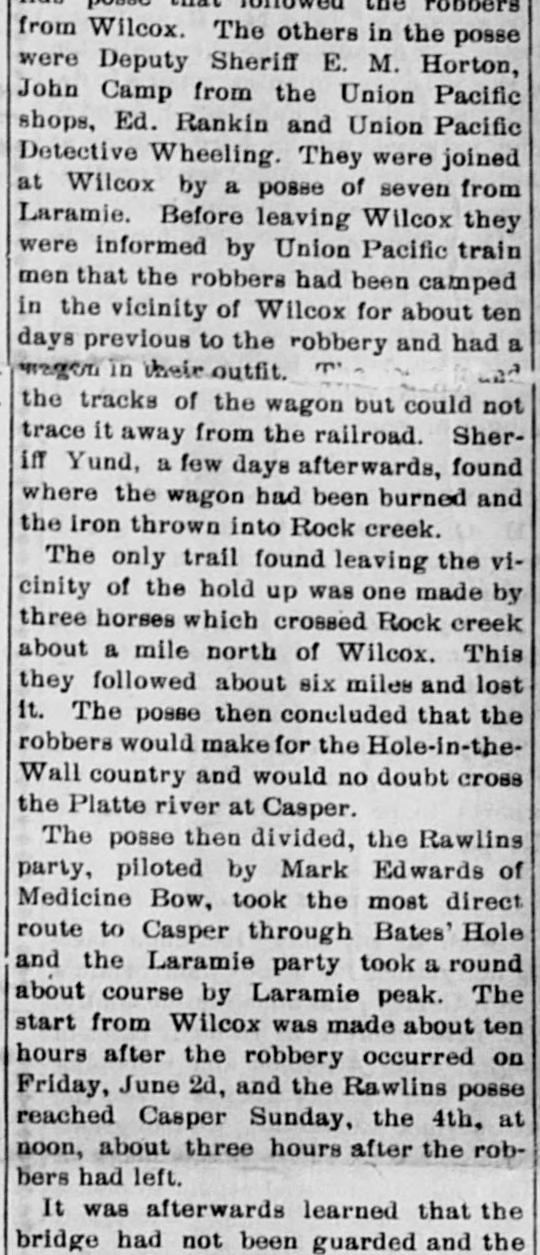
Rawlins semi-weekly republican (Rawlins, Carbon County, Wyo.)
, page 1 · The Wilcox train robbery
John Camp from the Union Pacific shops, Ed. Rankin and Union Pacific Detective Wheeling. They were joined at Wilcox by a posse of seven from Ln ramie. Before leaving Wilcox they were informed by Union Pacific train men that the robbers had been camped in the vicinity of Wilcox for about ten days previous to the robbery and had a in outfit. rr ”- the tracks of the wagon but could not trace it away from the railroad. …
Willmar tribune (Willmar, Minn.)
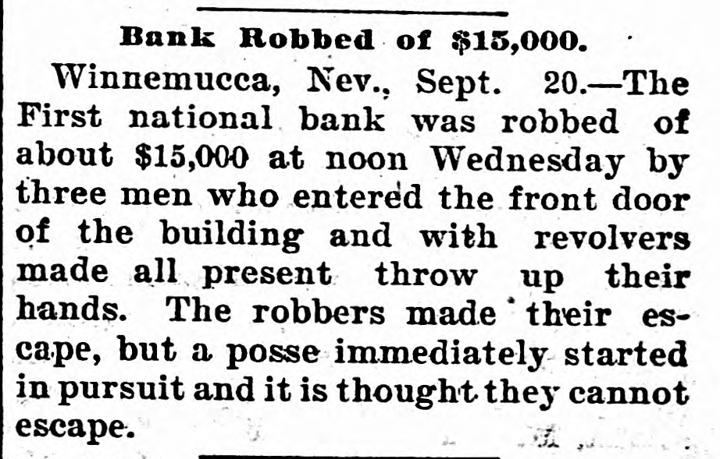
, page 2 · The Winnemucca raid
Bank Robbed of $15,000. Winnemucca, Nev.. Sept. 20.—The First national bank was robbed of about $15,000 at noon Wednesday by three men who entered the front door of the building and with revolvers made all present throw up their hands. The robbers made their es- cape, but a posse immediately started in pursuit and it is thought- thej- cannot escape.
The silver state (Unionville, Nev.)
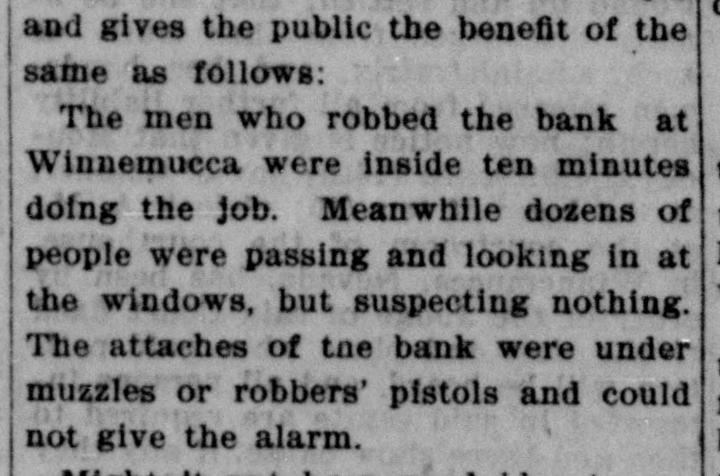
, page 3 · The Winnemucca raid
The men who robbed the bank at Wiunemucca were inside ten minutes doing the job. Meanwhile dozens of people were passing and looking in at the windows, but suspectiug nothing. The attaches of tne bank were under muzzles or robbers’ pistols and could not give the alarm.
Source: Chronicling America: Historic American Newspapers, Library of Congress. Public domain.
Pictures




Afterwards
The rest of the Wild Bunch was gone within a few years. Will Carver was shot by lawmen in April 1901 and died of his wounds. Kilpatrick was arrested that year, served a decade in prison and was killed in 1912 while robbing a train in Texas. Logan, after killing two policemen in Knoxville and escaping from jail, died in a shootout in Colorado in 1904, reportedly by his own hand. Elzy Lay was released in 1906 and lived as a businessman in California until 1934.
The men's fame came mostly later. The 1969 film Butch Cassidy and the Sundance Kid fixed them in popular memory as charming rogues and ended with a freeze-frame that left their deaths open. The survival stories that circulated in Utah and Wyoming from the 1920s have been examined in books and television programmes, and in 2008 the remains of one claimant were tested and excluded. The Parker family cabin near Circleville is preserved, and San Vicente still shows visitors the cemetery where the two strangers were buried.
Questions readers ask
How did Butch Cassidy and the Sundance Kid die?
The two men believed to be Cassidy and Longabaugh were surrounded by Bolivian soldiers and officials at a boarding house in San Vicente on 6 November 1908. After hours of shooting, two shots were heard inside during the night, and in the morning both were found dead; the local report concluded that one shot the other and then himself.
Did Butch Cassidy survive and return to the United States?
His sister Lula Parker Betenson said he visited the family in the 1920s and died in 1937, but there is no documentary evidence for it. Historians treat the story as a family legend, while accepting that the San Vicente bodies were never formally identified.
Who was Etta Place?
Etta Place was the Sundance Kid's companion who travelled with him and Cassidy to Argentina in 1901. Her real name, origins and fate after she returned to the United States in 1906 are unknown.
Why was it called the Wild Bunch?
The name was borrowed from the earlier Doolin-Dalton gang. It was applied to the loose group of outlaws around Cassidy that used hideouts such as Hole-in-the-Wall and Robbers Roost.
Sources and further reading
- Butch Cassidy (Wikipedia)
- Sundance Kid (Wikipedia)
- Wild Bunch (Wikipedia)
- Did the Wild Bunch rob the bank in Winnemucca? (Cowboy State Daily)
- Wikidata Q313574 (life dates checked here)
Written by Sinister Crimes from the sources above; see our editorial standards. Last checked 1 November 2026.