
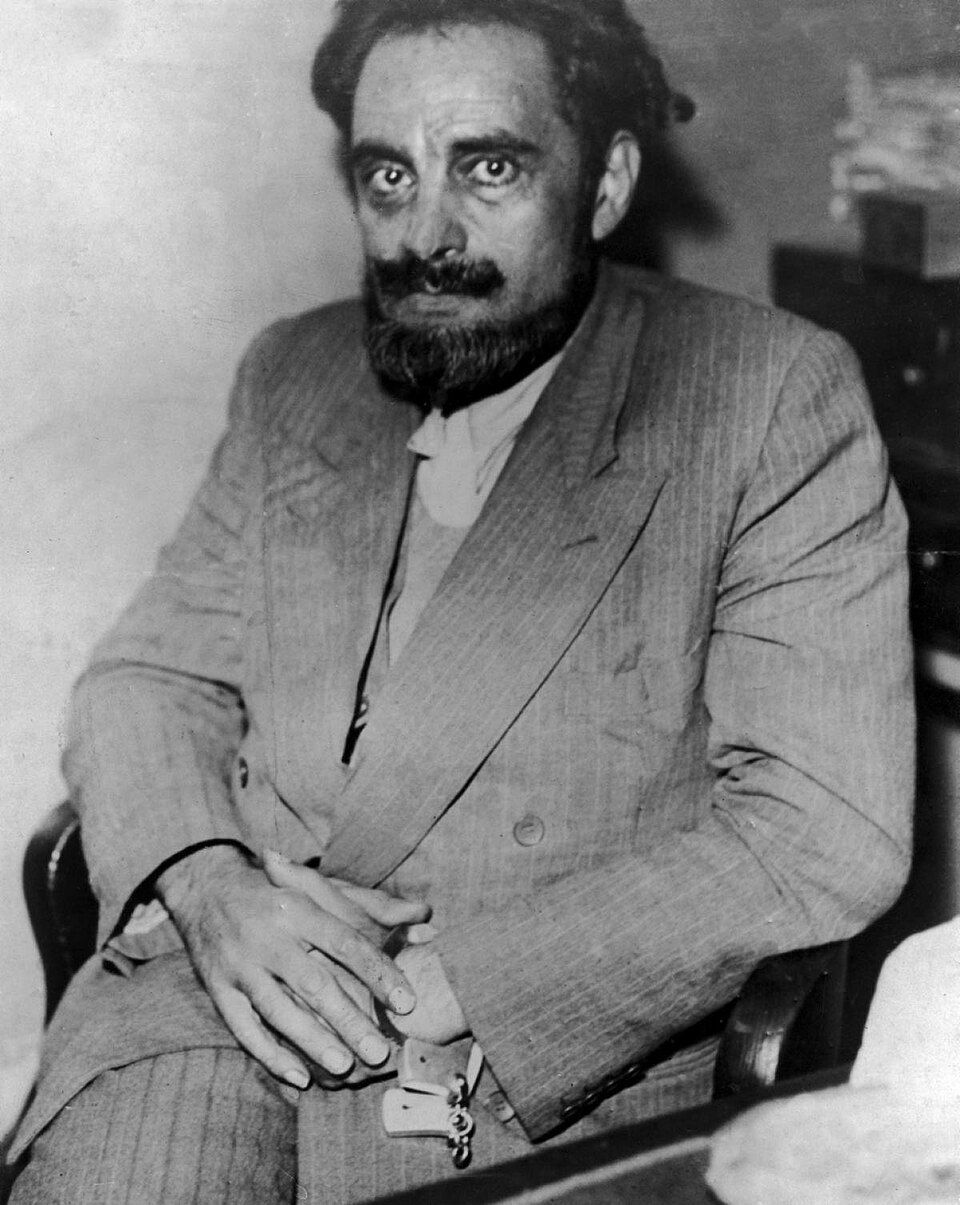

The case
For several days in March 1944, residents of the rue Le Sueur, a quiet street of townhouses near the Arc de Triomphe, complained about the greasy, foul-smelling smoke pouring from the chimney of number 21. On 11 March the fire brigade forced a window. In the basement a stove was alight, and the firemen found human remains in and around it. The house belonged to Dr Marcel Petiot, a general practitioner with a busy surgery on the rue de Caumartin.
Petiot was born in Auxerre in 1897. Before he was twenty he had been charged with theft and judged mentally ill; in the First World War he was wounded, spent time in military psychiatric care and was discharged with a pension. He qualified in medicine through a shortened course for veterans and set up in Villeneuve-sur-Yonne, where he was elected mayor in 1926 and removed in 1931 amid accusations of theft. In Paris his practice prospered, alongside a reputation for prescribing narcotics freely, for which he was fined in 1942.
Under the German occupation, Petiot let it be known through intermediaries, among them a hairdresser, Raoul Fourrier, and a music-hall performer, Edmond Pintard, that a 'Doctor Eugène' could get people out of France to Argentina by way of Portugal, for 25,000 francs a person. Clients were told to come at night, with a suitcase holding their money and valuables, and that they would need an inoculation before travelling. Most were Jews trying to escape arrest and deportation. Others were criminals who wanted to disappear. None reached South America.
The German police took the operation for a Resistance escape line. They pushed a prisoner, Yvan Dreyfus, into making contact; he vanished like the others. A second informer got further, and in May 1943 the Gestapo arrested Petiot and his intermediaries. Petiot was held at Fresnes for about eight months and released in January 1944. He had no Resistance contacts to give up, because he had none.
After the discovery at the rue Le Sueur he disappeared. Accounts differ on whether he came to the house that night and talked his way past the police by claiming the dead were traitors. Searchers found more remains in a lime pit in the yard, and dozens of suitcases holding more than 1,700 items of clothing. Among them were a child's pyjamas belonging to René Kneller, a boy who had vanished with his parents.
After the Liberation of Paris in August 1944, Petiot resurfaced under the name Henri Valéry as a captain in the French Forces of the Interior, assigned to counter-espionage. When the newspaper Résistance attacked him in print, he sent a letter of protest, which told police he was still in the city. On 31 October 1944 he was recognised and arrested at Saint-Mandé–Tourelle métro station, carrying a pistol, a large sum in cash and identity papers in several names.
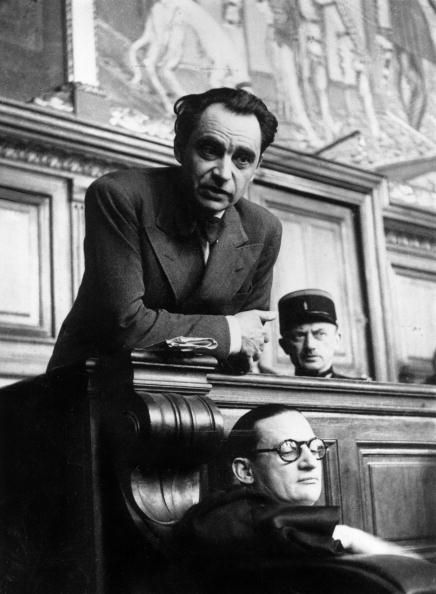
His trial before the Seine assize court ran from 18 March to 4 April 1946. He was charged with 27 murders. Petiot claimed to have killed 63 people, all of them Germans or collaborators, for a Resistance group that no one else had heard of. He could not explain the clothing of a small child among the luggage. Psychiatrists found him fully responsible for his actions. Defended by René Floriot, he was convicted and sentenced to death, and he was guillotined at La Santé prison on 25 May 1946.
Who lost out
Joachim Guschinow, a Jewish furrier who lived near Petiot's surgery, left on 2 January 1942 for what he believed was a passage to Buenos Aires, where he meant to open a shop; he carried cash and jewels sewn into his clothes. Maurice Wolff, his wife Lina and his mother Rachel Marx were refugees from Königsberg waiting in Paris for the same journey, and friends of theirs, the Basch family, followed. René Kneller was a small boy who disappeared with his parents. Yvan Dreyfus, a prisoner of the German police, was sent in as an informer and did not come back.
Other victims came from the Paris underworld: men wanted by the police or by rival gangs, and four women who worked as prostitutes and vanished in the spring of 1943. Police files list more than two dozen names, and the full number is unknown. Most of those who went to Petiot were people the occupation had already made desperate, who handed everything they owned to a man promising to save them.
Timeline
Marcel Petiot is born in Auxerre, Burgundy.
Petiot is elected mayor of Villeneuve-sur-Yonne; he is removed from office in 1931.
Petiot acquires the townhouse at 21 rue Le Sueur and has the courtyard walls raised.
Joachim Guschinow leaves for his promised passage to Argentina and disappears.
The Gestapo, believing the network to be a Resistance escape line, arrests Petiot and his intermediaries.
Petiot is released from Fresnes prison.
Firemen called to a smoking chimney at 21 rue Le Sueur find human remains in the basement.
Petiot, serving as 'Captain Valéry' in the French Forces of the Interior, is arrested at Saint-Mandé–Tourelle métro station.
His trial opens before the Seine assize court in Paris.
Petiot is convicted of murder and sentenced to death.
Petiot is guillotined in the courtyard of La Santé prison.
People in the case
-
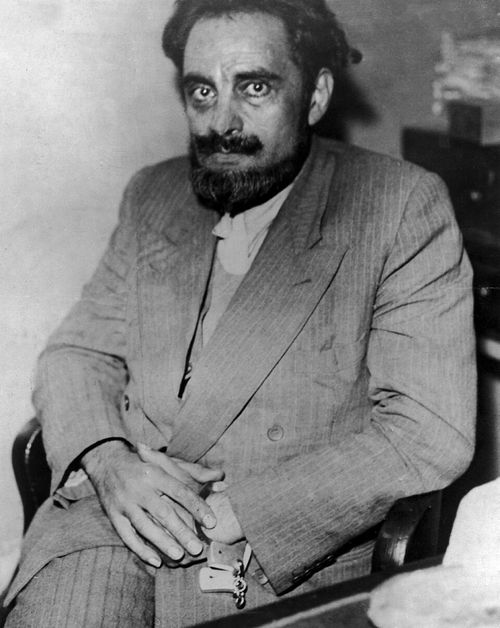
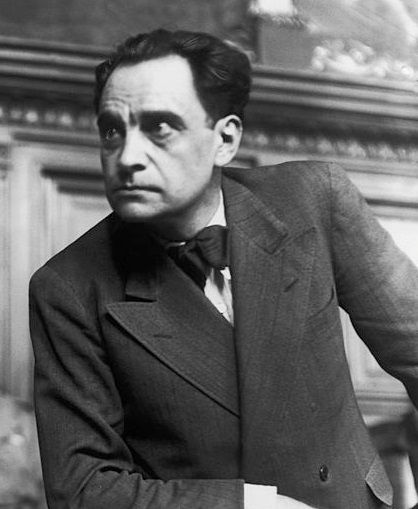
Marcel Petiot Perpetrator
17 January 1897 – 25 May 1946
Paris doctor who ran a fake escape route as 'Doctor Eugène'; convicted of multiple murders and guillotined.
-
Joachim Guschinow Victim
? – 1942
Jewish furrier and neighbour of Petiot's surgery; disappeared on 2 January 1942, the first known client of the network.
-
Yvan Dreyfus Victim
? – 1943
Prisoner pressed by the German police to infiltrate the supposed escape line; never seen again.
-
René Kneller Victim
? – 1942
Young boy who disappeared with his parents; his pyjamas were found among the luggage at the rue Le Sueur.
-
Georges-Victor Massu Investigator
1889 – 1973
Police commissioner in charge of the first stage of the inquiry in 1944; he was later replaced and detained over alleged collaboration.
-
René Floriot Defence
20 October 1902 – December 1975
Prominent Paris advocate who defended Petiot at his 1946 trial.
-
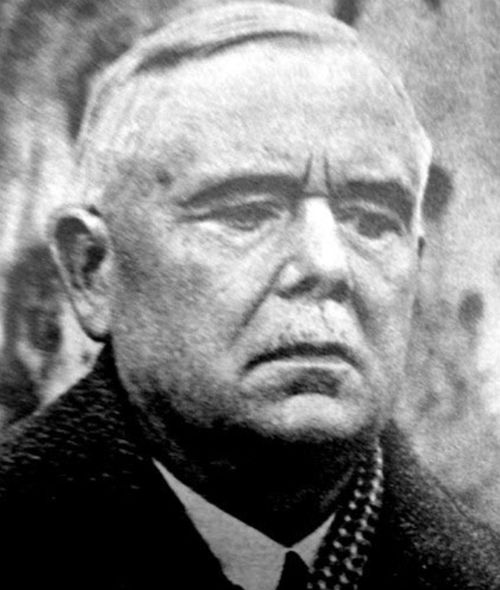
Jules-Henri Desfourneaux Also involved
17 December 1877 – 1 October 1951
Chief executioner who carried out the sentence at La Santé.
Where it happened
- 21 rue Le Sueur, Paris 16e. Site of the townhouse where the remains were found; the house was dismantled in the 1950s and replaced by a new building.
- 66 rue de Caumartin, Paris 9e. Petiot's surgery and family home.
- La Santé prison, Paris 14e. Where Petiot was held before trial and executed on 25 May 1946.
Outcome
Executed Convicted and executed
Petiot was tried alone before the Seine assize court from 18 March to 4 April 1946 on charges covering 27 murders committed for gain. He was found guilty of most of them and sentenced to death. His appeal to the Court of Cassation failed, clemency was refused, and he was guillotined at La Santé on 25 May 1946. Proceedings against his wife, his brother and others suspected of handling victims' property were dropped.
What the record settles, and what it doesn't
Established
- Petiot ran a fraudulent escape service under the name 'Doctor Eugène', charging about 25,000 francs a person for a passage to South America that did not exist.
- Most of the people who used it were Jews trying to flee the occupation; others were criminals and their associates.
- The Gestapo arrested Petiot in 1943, believing his network belonged to the Resistance, and released him in January 1944.
- Human remains were discovered at his house at 21 rue Le Sueur on 11 March 1944, together with large quantities of victims' clothing and luggage.
- Petiot evaded capture for seven months, partly by serving under a false name in the French Forces of the Interior.
- He was convicted of multiple murders by the Seine assize court on 4 April 1946 and executed on 25 May 1946.
Disputed
- How many people Petiot killed: he was charged with 27 murders and himself boasted of 63, while some estimates run far higher; the true number is unknown.
- The exact verdict: English-language accounts commonly say he was convicted on 26 counts, while French sources give 24.
- How many bodies were found at the rue Le Sueur: the remains were incomplete and burnt, and figures given in different accounts vary widely.
- What became of the victims' money and valuables, which were never recovered, and which estimates put at many millions of francs.
- Whether Petiot had any genuine Resistance or intelligence connections: courts and police found none, though a US intelligence officer later claimed him as a wartime source; the claim has not been corroborated by other records.
- Whether a patient's daughter who disappeared in Villeneuve-sur-Yonne in 1926 was an earlier victim, as was later alleged.
Pictures



Afterwards
The house on the rue Le Sueur stood empty and was searched repeatedly by people hoping to find Petiot's hoard; it was dismantled in the 1950s and the site rebuilt. Petiot's widow, Georgette, maintained that he had killed only enemies of France. His surviving intermediaries, Fourrier and Pintard, were not tried alongside him.
The case is remembered in France as 'l'affaire du docteur Petiot' and has been retold in books, a 1990 film starring Michel Serrault, and studies that place it within the persecution of Jews under the occupation: Petiot preyed on people with nowhere else to turn, and the fear of deportation was the lure.
Questions readers ask
How many people did Dr Petiot kill?
He was tried for 27 murders and boasted of 63, claiming they were all Germans and collaborators. The real number is unknown; police files list more than two dozen missing clients, and some estimates are much higher.
Who were Petiot's victims?
Mostly Jews trying to escape occupied France, along with criminals and people connected to the Paris underworld, all of whom paid for a false passage to South America.
How was Petiot caught?
After the discovery at his house in March 1944 he hid and then joined the French Forces of the Interior under a false name. A letter he wrote to protest a newspaper article showed he was still in Paris, and he was recognised and arrested in the métro on 31 October 1944.
Was Marcel Petiot executed?
Yes. He was guillotined at La Santé prison in Paris on 25 May 1946.
Sources and further reading
- Marcel Petiot (Wikipedia)
- Marcel Petiot (French Wikipedia)
- Marcel Petiot (Wikidata)
- Wikidata Q706812 (life dates checked here)
Written by Sinister Crimes from the sources above; see our editorial standards. Last checked 1 November 2026.