

The case
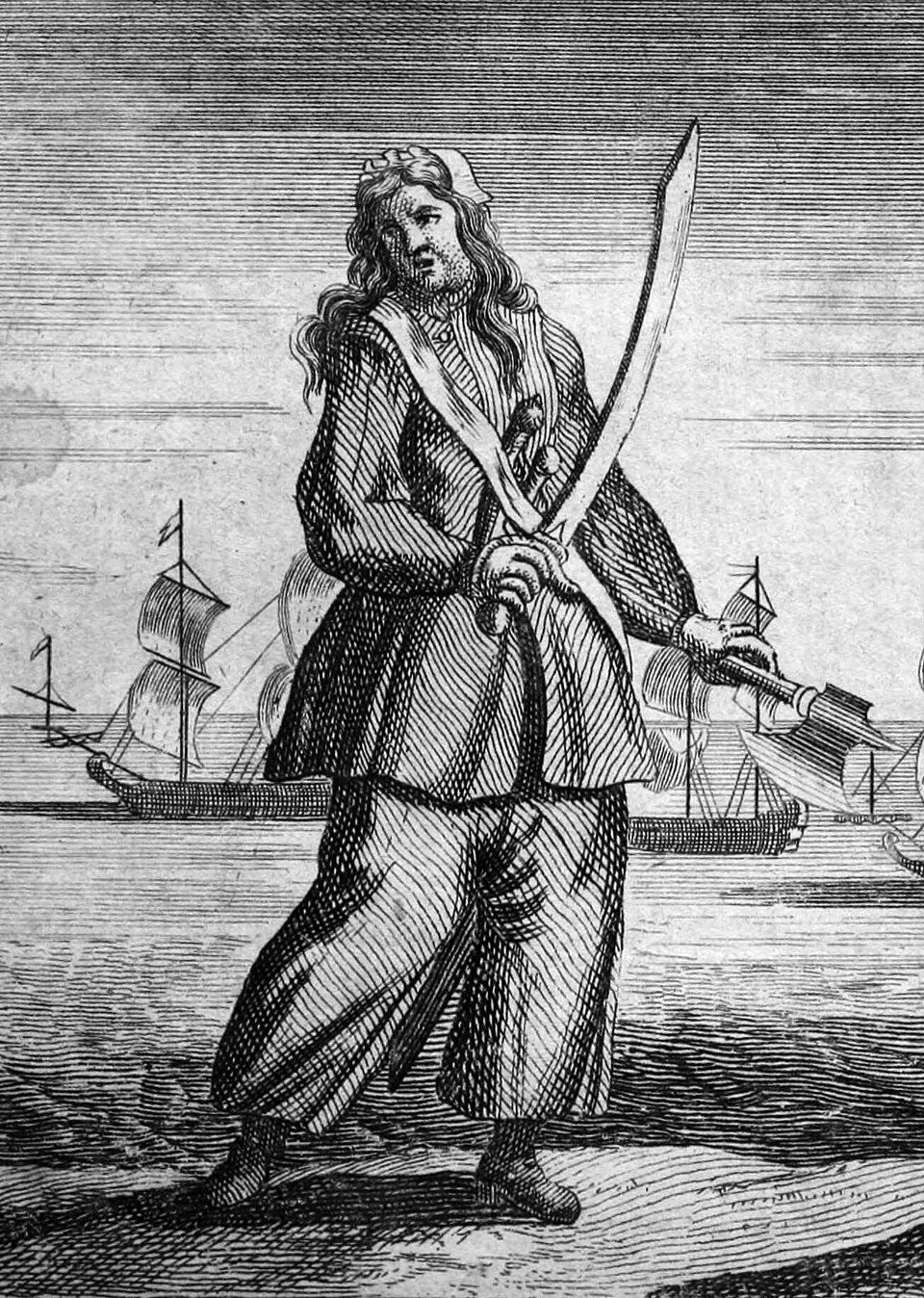
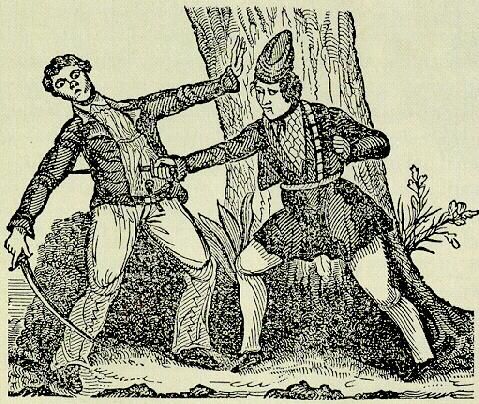
The best description of Anne Bonny and Mary Read comes from a woman they robbed. Dorothy Thomas, stopped and robbed on the Jamaican coast in the autumn of 1720, told the court at Spanish Town that the two wore men's jackets, long trousers and handkerchiefs tied round their heads, carried a machete and a pistol each, and swore at the men to kill her so she could not testify. She knew they were women, she said, from the shape of their bodies.
That testimony, the printed trial record and a handful of official documents are almost all that is firmly known. The vivid life stories most people have read, Bonny as the illegitimate daughter of an Irish lawyer who ran off to Nassau, Read as a girl raised in boy's clothes who served as a soldier in Flanders, come from Captain Charles Johnson's General History of the Pyrates of 1724, written to sell. None of it has been confirmed, and some has been shown to be unlikely. Later writers added names, red hair and a romance between the two women, none of which appear in the contemporary record.
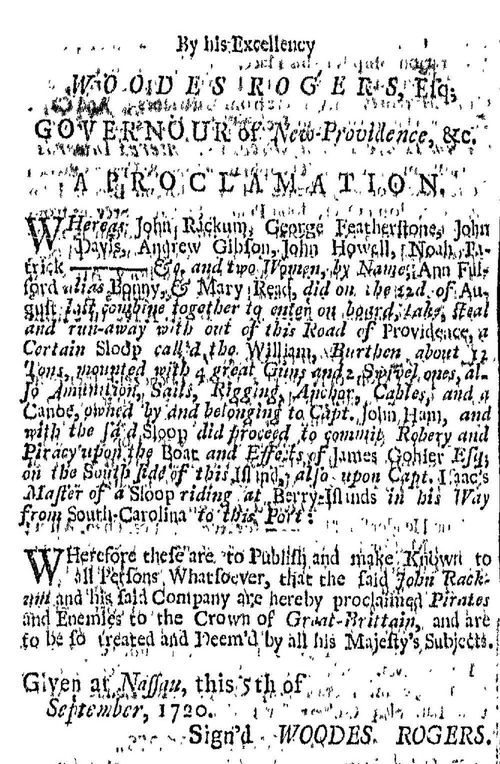
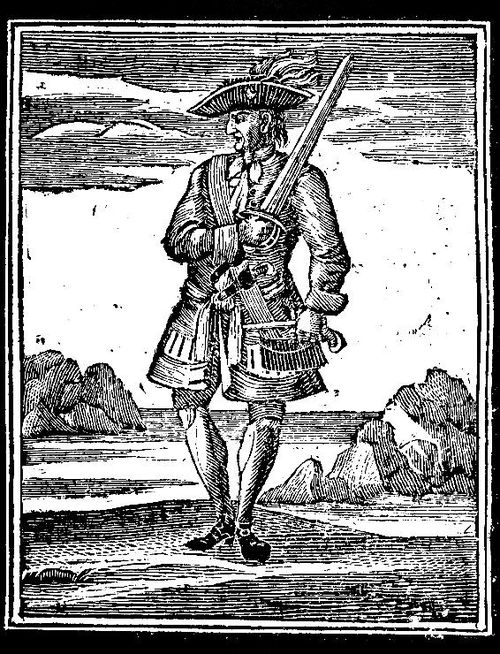
The story the documents tell begins on 22 August 1720, when a small company led by John Rackham, a minor figure who later picked up the nickname Calico Jack, stole the sloop William from her owner John Ham in Nassau harbour. Bonny and Read were among them, with about a dozen men. On 5 September Woodes Rogers, governor of the Bahamas, issued a proclamation naming the crew as pirates. It listed both women openly, Bonny under the name Ann Fulford alias Bonny, which makes the old tale of Read's sex being a secret from her shipmates hard to credit.
Their piracy was small in scale. Over about two months they took fishing boats, a schooner and canoes around Hispaniola and the north coast of Jamaica, the kind of raids that brought in tackle, fish and a little cloth rather than treasure. In mid-October a former privateer named Jonathan Barnet, sailing a trading sloop, went looking for them.
He found the William at anchor off Negril Point, at the western tip of Jamaica, on the night of 22 October 1720. Rackham's crew had been drinking with a party of turtle fishermen they had invited aboard. When Barnet hailed, the answer came back as John Rackham from Cuba. A swivel gun was fired at Barnet's sloop and missed; his broadside brought down the William's boom, and the crew called for quarter. No one was killed. Johnson's version, in which the two women fought on deck while the men cowered below, is not supported by the trial testimony.
Rackham and the men were tried at Spanish Town on 16 November and hanged over the following days at Port Royal and Kingston. The women were tried separately on 28 November before a vice-admiralty court presided over by Governor Nicholas Lawes. Four witnesses gave evidence against them: Thomas Dillon, master of a sloop the crew had plundered; John Besneck and Peter Cornelian, two Frenchmen taken while hunting hogs on Hispaniola and forced aboard, who said the women were active and willing; and Dorothy Thomas. Both women were convicted of piracy and sentenced to hang.
They then declared that they were pregnant. Under English law a pregnant woman could not be executed, and their sentences were stayed. Whether either was in fact expecting a child is not known. Mary Read died in custody in the spring of 1721; the parish register of St Catherine records the burial of Mary Read, pirate, on 28 April. There is no record of Anne Bonny's release or execution.
The victims
The people Rackham's crew robbed were mostly working people of the Jamaican and Hispaniolan coasts, not rich merchants. Thomas Spenlow, master of a schooner, lost fifty rolls of tobacco and nine bags of pimento and was held for about two days; Thomas Dillon had his sloop Mary plundered at Dry Harbour Bay and testified that Anne Bonny held a gun. John Besneck and Peter Cornelian, French hog-hunters on Hispaniola, were taken and made to serve aboard. Several fishing boats lost their tackle and catch. Dorothy Thomas, a Jamaican woman travelling along the coast, was stopped and robbed and heard the two women urge the men to kill her; she survived to give the most memorable evidence of the case. John Ham, the Nassau owner of the sloop William, lost his vessel at the outset.
Timeline
Rackham, Bonny, Read and about a dozen men steal the sloop William from Nassau harbour.
Governor Woodes Rogers proclaims the crew pirates, naming both women.
The Boston Gazette prints Rogers's proclamation.
Jonathan Barnet captures the William off Negril Point without loss of life.
Rackham and the male crew are tried at Spanish Town and condemned.
Rackham is hanged at Port Royal.
Bonny and Read are tried, convicted and sentenced to death, then plead pregnancy.
Mary Read is buried in St Catherine parish after dying in custody.
Charles Johnson's General History publishes the romantic life stories that shaped the legend.
People in the case
-
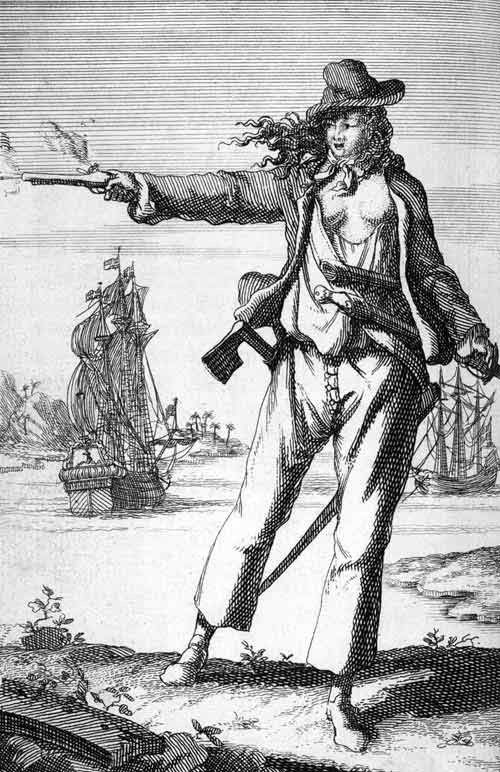
Anne Bonny Perpetrator
Convicted of piracy on 28 November 1720; execution stayed for pregnancy. Birth and fate unknown; a burial of an Ann Bonny is recorded in St Catherine in December 1733 but may not be her.
-
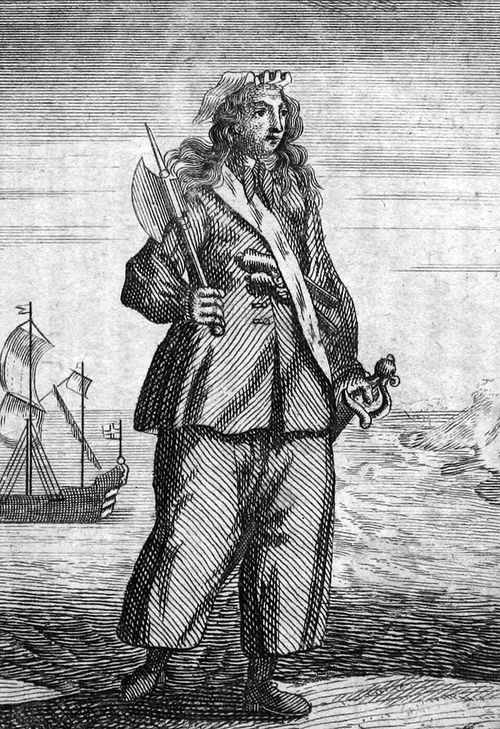
Mary Read Perpetrator
? – April 1721
Convicted with Bonny; died in custody and was buried on 28 April 1721. Birth date unknown.
-
John Rackham Perpetrator
? – 18 November 1720
Led the theft of the sloop William; tried 16 November 1720 and hanged at Port Royal. Birth uncertain, possibly 1673.
-
Jonathan Barnet Investigator
Former privateer whose sloop captured Rackham's crew off Negril Point. Dates unknown.
-
Woodes Rogers Also involved
1679 – 15 July 1732
Governor of the Bahamas; his proclamation of 5 September 1720 named both women.
-
Nicholas Lawes Judge
1652 – 18 June 1731
Governor of Jamaica; presided over the vice-admiralty court that convicted the crew.
-
Dorothy Thomas Witness
Jamaican woman robbed by the crew; her testimony describes the two women. Dates unknown.
Where it happened
- Spanish Town, Jamaica. Colonial capital where the crew were tried and where Read was buried.
- Negril, Jamaica. Near the point where Barnet captured the William on 22 October 1720.
- Port Royal, Jamaica. Where Rackham was hanged and his body displayed.
- Nassau, New Providence. Harbour from which the crew stole the sloop William.
Outcome
Convicted Convicted; executions stayed
Both women were convicted of piracy by a vice-admiralty court at Spanish Town on 28 November 1720 and sentenced to hang. Each claimed to be pregnant and their executions were respited. Read died in prison in April 1721; no record of Bonny's release, pardon or death in custody has been found. Rackham and the male crew were hanged in November 1720.
What the record settles, and what it doesn't
Established
- Anne Bonny and Mary Read were among the crew who stole the sloop William from Nassau on 22 August 1720.
- Governor Woodes Rogers's proclamation of 5 September 1720 named both of them as pirates.
- The crew were captured without bloodshed by Jonathan Barnet off Negril Point on 22 October 1720.
- Bonny and Read were tried at Spanish Town on 28 November 1720, convicted and sentenced to death.
- Both pleaded pregnancy and their sentences were stayed.
- Mary Read died in custody and was buried on 28 April 1721.
Disputed
- Their early lives: Johnson's accounts of Bonny's Irish birth and Read's military service are unconfirmed, and later details such as the names of Bonny's parents were invented in a 1964 novel.
- Whether either woman was actually pregnant: a plea of the belly was a recognised way to delay execution, and no record of a birth survives.
- Bonny's fate: some writers have her freed and living into old age in the Carolinas, a claim resting on family papers now discredited, while a burial of an Ann Bonny in St Catherine in December 1733 may or may not be hers.
- Their relationship: the idea that they were lovers first appears in a pirated 1725 version of Johnson and has no support in the trial record.
- Whether Rackham was ever called Calico Jack in his lifetime; the name first appears in print in 1728.
Pictures




Afterwards
Within a decade the two women had become stage characters, with echoes of them in John Gay's 1729 ballad opera Polly. Johnson's chapters on them were among the most popular in his book, and his publisher set their names in larger type on later title pages. Through the nineteenth century they appeared in pirate anthologies and on cigarette cards; in the twentieth they became the template for almost every fictional woman pirate. Historians working from the trial record have since stripped much of that away, leaving a smaller and stranger story: two women who chose a brief, poor, dangerous life at sea and were convicted for it, one dying in a Jamaican prison and the other disappearing from the record.
Questions readers ask
Were Anne Bonny and Mary Read real?
Yes. Both are named in a 1720 Bahamas proclamation and in the record of their trial at Spanish Town, Jamaica. Much of what is told about their early lives, however, comes from a 1724 book and is unconfirmed.
Why weren't Anne Bonny and Mary Read hanged?
After their conviction both declared that they were pregnant, and English law did not allow a pregnant woman to be executed. Read died in prison months later, and Bonny's fate is unknown.
What happened to Anne Bonny?
Nobody knows. There is no record of her release or execution; a burial of an Ann Bonny in Spanish Town's parish in 1733 is a possible but unproven match.
How long were Anne Bonny and Mary Read pirates?
About two months, from the theft of the sloop William on 22 August 1720 to their capture on 22 October 1720.
Sources and further reading
- Anne Bonny (Wikipedia)
- Mary Read (Wikipedia)
- John Rackham (Wikipedia)
- The Tryals of Captain John Rackam, 1721 (Sailing the Black Flag)
- Wikidata Q231549 (life dates checked here)
Written by Sinister Crimes from the sources above; see our editorial standards. Last checked 1 November 2026.