
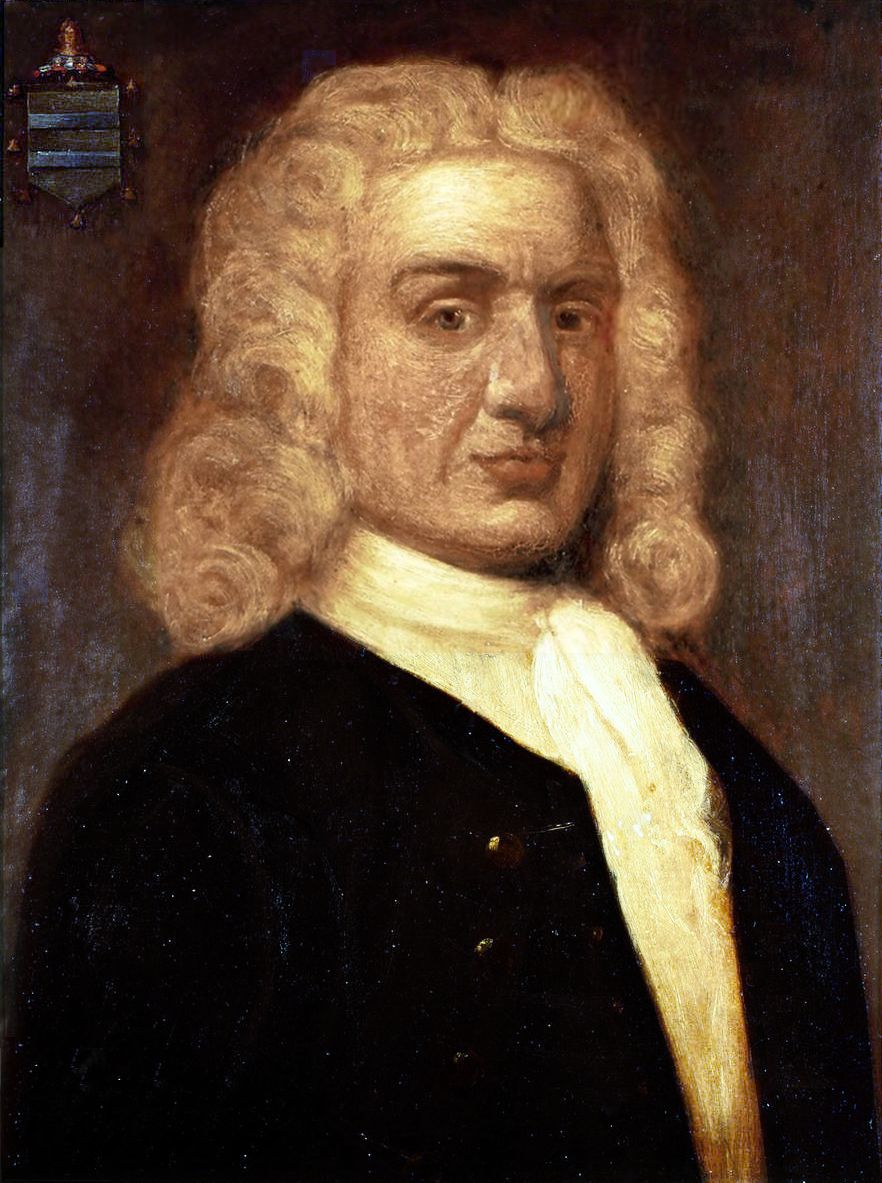

The case
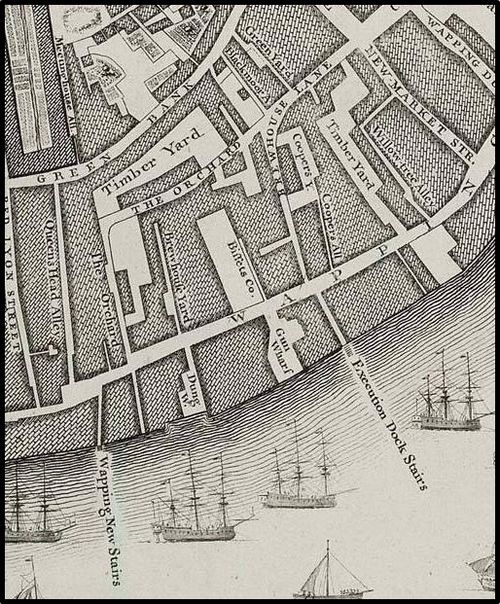
When the rope broke under William Kidd at Execution Dock on 23 May 1701, some in the crowd took it as a sign from God that he should go free. The officials took him back up the ladder and hanged him again. His body was then tarred and hung in chains beside the Thames at Tilbury, where ships coming into London would pass it for years.
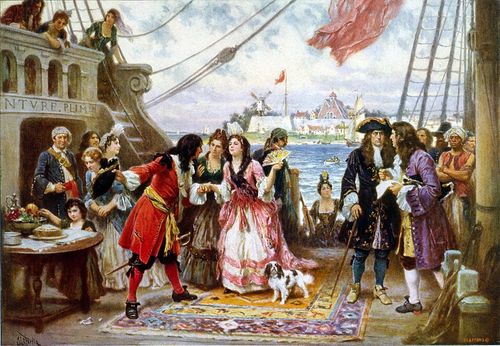
Few men have gone to the gallows with better connections. Kidd, born in Dundee around 1645, had made himself a respectable figure in New York: a successful privateer in the war against France, married in 1691 to Sarah Oort, a wealthy widow, and a contributor to the building of Trinity Church. In 1695 Richard Coote, Earl of Bellomont, the incoming governor of New York and Massachusetts, organised a private venture to send him against the pirates then preying on shipping in the Indian Ocean. Most of the money came from leading Whig lords, Kidd carried a royal commission, and the backers expected a share of whatever he seized.
The voyage went wrong almost from the start. Kidd's new ship, Adventure Galley, lost a large part of her original crew to a navy press gang on the Thames after a breach of etiquette; he filled the gap in New York with hard men recruited on the promise of plunder. He sailed in September 1696. Disease killed many of them in the Comoros, the ship began to leak, and the pirates he was meant to catch did not appear. The crew grew mutinous.
On 30 October 1697, off the Malabar coast, the gunner William Moore argued with Kidd over his refusal to attack a Dutch ship, a capture that would have been plain piracy. Kidd struck him on the head with an iron-bound bucket, and Moore died the next day. Over the following months Kidd took several vessels whose legal status was dubious, and on 30 January 1698 he took the big one: the Quedagh Merchant, a ship of some 400 tons hired by Armenian merchants out of Surat, carrying silk, muslin, sugar, opium and other goods. Her captain was an Englishman, but she carried passes from the French East India Company, and Kidd held that this made her a lawful enemy prize.
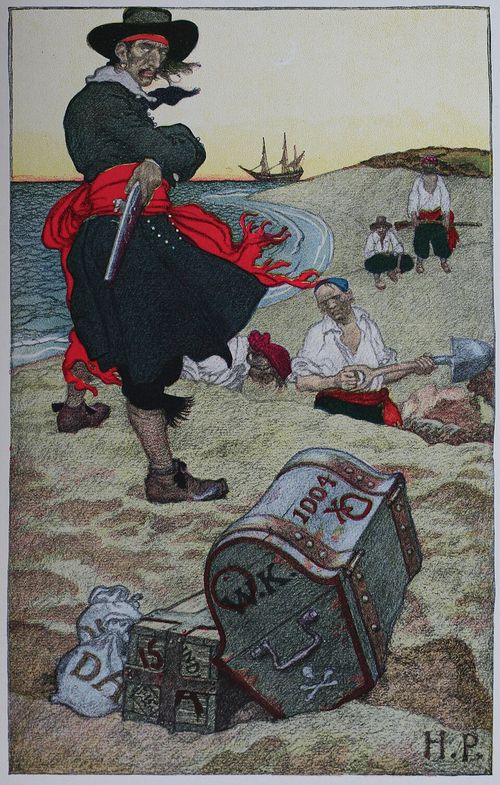
London did not see it that way. Coming on top of other English pirate attacks on Mughal shipping, the capture threatened the East India Company's trade, and orders went out to seize Kidd. Most of his men deserted to the pirate Robert Culliford at Madagascar. Kidd burned the rotting Adventure Galley, sailed the Quedagh Merchant to the Caribbean, left her in the care of others and came north in a sloop. He buried a cache of gold and goods on Gardiners Island, off Long Island, as a bargaining chip.
Bellomont, now anxious to separate himself from the enterprise he had promoted, drew Kidd to Boston with assurances and had him arrested on 6 July 1699. Kidd was shipped to England and held for about two years, much of it in Newgate, while the Tory opposition tried to use him against his Whig backers. He named no one useful to them.
At an Admiralty sessions held at the Old Bailey on 8 and 9 May 1701, he was tried first for the murder of Moore and then on five counts of piracy. He had met his assigned counsel only shortly before. His defence on the main piracy charges rested on the French passes, but they were not produced in court. The jury convicted him on all six indictments.
The victims
William Moore, the gunner of Adventure Galley, was a working seaman who had sailed with Kidd from New York; his death after a shipboard quarrel became the first and decisive charge against his captain. The Quedagh Merchant was crewed largely by Indian sailors under an English master named John Wright, and her cargo belonged to Armenian traders operating out of Surat, among them a merchant recorded as Coji Baba, who offered to buy the ship back and was refused. Other masters and crews stopped in the Indian Ocean during the voyage reported being beaten and threatened, though how far Kidd himself directed this was argued at his trial.
Timeline
Kidd marries Sarah Oort in New York.
Bellomont commissions Kidd to hunt named pirates and French ships.
Adventure Galley sails from New York for the Indian Ocean.
Kidd strikes the gunner William Moore with a bucket; Moore dies the next day.
Kidd captures the Quedagh Merchant off the Indian coast.
Kidd reaches Madagascar, where most of his crew desert to Robert Culliford.
Kidd is arrested in Boston on Bellomont's orders.
Kidd's trial for murder and piracy opens at the Old Bailey.
Kidd is convicted on all six indictments and sentenced to death.
Kidd is hanged at Execution Dock, Wapping; the first rope breaks.
Divers report the remains of the Quedagh Merchant off Catalina Island, Dominican Republic.
People in the case
-
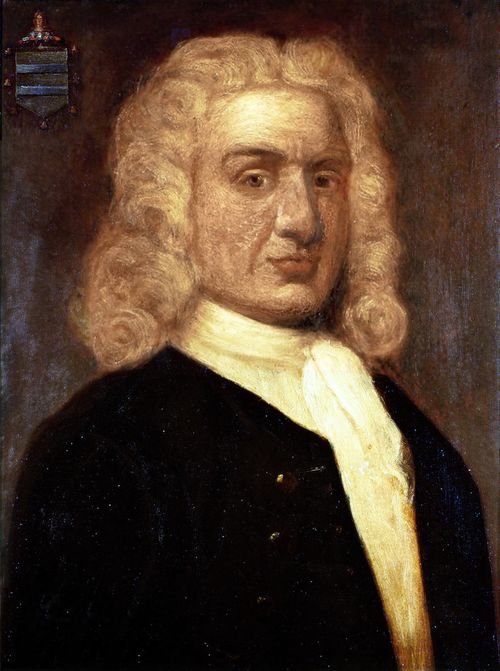
William Kidd Perpetrator
1645 – 23 May 1701
Scottish-born privateer of New York; convicted of murder and piracy and hanged at Wapping. Born c. 1645.
-
William Moore Victim
? – 31 October 1697
Gunner of Adventure Galley, struck by Kidd on 30 October 1697 and dead the next day.
-
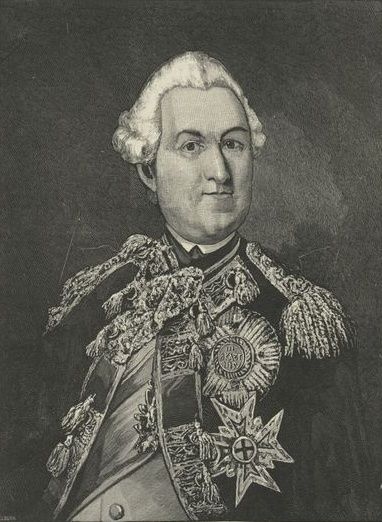
Richard Coote, 1st Earl of Bellomont Also involved
1636 – 5 March 1700
Governor of New York and Massachusetts; organised and invested in the voyage, then arrested Kidd in Boston.
-
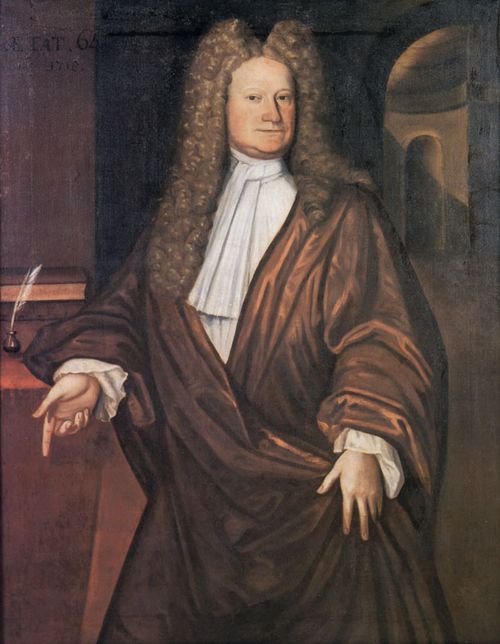
Robert Livingston Also involved
13 December 1654 – 1 October 1728
New York landowner who helped plan and finance the expedition.
-
Robert Culliford Also involved
Pirate who had once stolen a ship from Kidd; most of Kidd's crew joined him at Madagascar in 1698. Dates uncertain.
-
Sarah Kidd Also involved
Kidd's wife, a wealthy New York widow; briefly imprisoned in Boston after his arrest. Dates uncertain.
Where it happened
- Execution Dock, Wapping. Where the Admiralty hanged pirates at the Thames foreshore; Kidd died here.
- Old Bailey, London. Scene of the Admiralty sessions that tried Kidd in May 1701.
- Gardiners Island, New York. Where Kidd buried a cache of goods in 1699; Bellomont had it recovered.
- Boston, Massachusetts. Where Kidd was arrested on 6 July 1699.
- Catalina Island, Dominican Republic. Shallow water off this island holds the wreck identified as the Quedagh Merchant.
Outcome
Executed Convicted and hanged
Kidd was tried at an Admiralty sessions at the Old Bailey on 8 and 9 May 1701, convicted of the murder of William Moore and of five piracies, and sentenced to death. He was hanged at Execution Dock on 23 May 1701, at the second attempt, and his body was gibbeted at Tilbury. Three crewmen convicted with him were pardoned, and several others were released.
What the record settles, and what it doesn't
Established
- Kidd sailed in 1696 under a royal commission, financed largely by prominent Whig peers and organised by the Earl of Bellomont.
- He struck his gunner William Moore with an iron-bound bucket on 30 October 1697, and Moore died the following day.
- On 30 January 1698 he captured the Quedagh Merchant, a ship carrying the goods of Armenian merchants from Surat.
- Bellomont had him arrested in Boston on 6 July 1699 and sent to England.
- He was convicted at the Old Bailey on 9 May 1701 of murder and five counts of piracy, without the French passes being produced in his defence.
- He was hanged at Execution Dock on 23 May 1701, the first rope breaking before a second, successful hanging.
Disputed
- Whether Kidd was really a pirate: defenders point to the French passes on the Quedagh Merchant, which resurfaced among government papers in the twentieth century; others note that several of his captures had no such cover and that his crew's conduct was piratical.
- Whether Moore's death was murder or a captain's lawful discipline of a mutinous sailor; Kidd argued the latter, and the jury rejected it.
- How fair the trial was: Kidd had barely met his lawyers and the passes were missing, which some historians blame on backers keen to distance themselves.
- Whether Kidd left treasure beyond the Gardiners Island cache: the recovered cache is documented, while legends of other hoards from Nova Scotia to Connecticut have no evidence behind them.
Pictures




Afterwards
Kidd's backers survived the scandal, though it was used against them in Parliament. The Gardiners Island cache was dug up on Bellomont's orders and sent to London as evidence, and the Quedagh Merchant was stripped and abandoned in the Caribbean by the men left in charge of her. The broadside ballad printed after the hanging, and later stories by Washington Irving and Edgar Allan Poe, fixed Kidd in American imagination as the pirate who buried treasure, and fuelled treasure digs along the north-eastern coast for two centuries. In December 2007 an Indiana University team identified a wreck in shallow water off Catalina Island in the Dominican Republic as the remains of the Quedagh Merchant.
Questions readers ask
Was Captain Kidd really a pirate?
A London jury convicted him of piracy in 1701, but historians still argue the point. He sailed as a commissioned privateer and claimed his biggest prize carried French passes, which were not produced at his trial.
Why was Captain Kidd hanged twice?
The rope broke at the first attempt at Execution Dock on 23 May 1701. He was hanged again minutes later, and the second rope held.
Did Captain Kidd bury treasure?
Yes, once that is documented: a cache on Gardiners Island, New York, in 1699, which the authorities recovered. Stories of other hidden hoards are legend.
What happened to the Quedagh Merchant?
Kidd left her in the Caribbean in 1699; she was looted and burned. Her remains were identified off Catalina Island, Dominican Republic, in 2007.
Sources and further reading
- William Kidd (Wikipedia)
- Quedagh Merchant (Wikipedia)
- Trial of William Kidd (Sailing the Black Flag)
- Wikidata Q26558 (life dates checked here)
Written by Sinister Crimes from the sources above; see our editorial standards. Last checked 1 November 2026.