
 Never caught
1170–1174 · United Kingdom
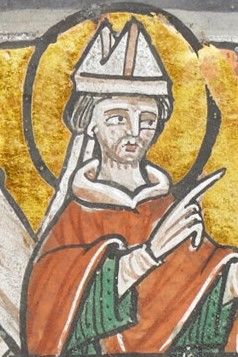
Thomas Becket
Four of Henry II's knights cut down the Archbishop of Canterbury in his own cathedral in 1170. Within three years he was a saint and the king did penance.
Country
32 cases with their main events in the United Kingdom.
32 cases23 solved2 unsolved1170–1931
Never caught
1170–1174 · United Kingdom
Four of Henry II's knights cut down the Archbishop of Canterbury in his own cathedral in 1170. Within three years he was a saint and the king did penance.
 Unsolved
1483 · United Kingdom
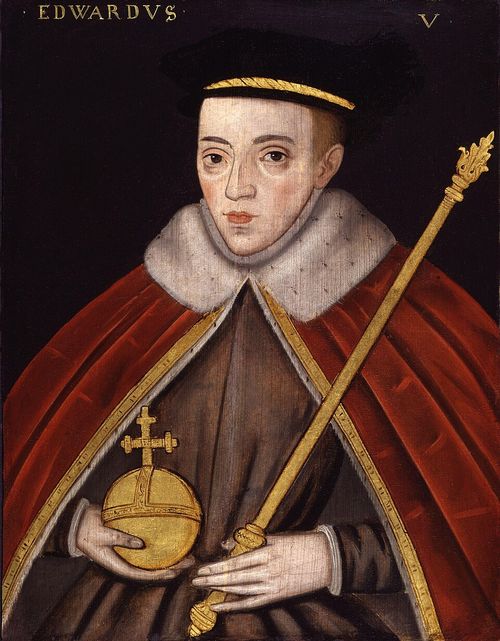
In 1483 a twelve-year-old king and his brother vanished inside the Tower of London and their uncle took the crown. What became of them is still debated.
 Executed
1605–1606 · United Kingdom
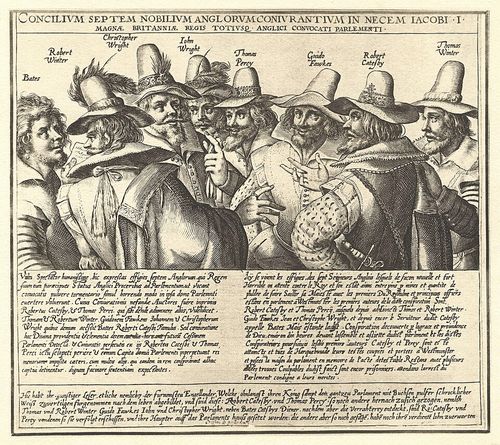
Thirty-six barrels of powder under the House of Lords, an anonymous letter, and a man called 'John Johnson' with a lantern: the plot behind Bonfire Night.
 Convicted
1671 · United Kingdom
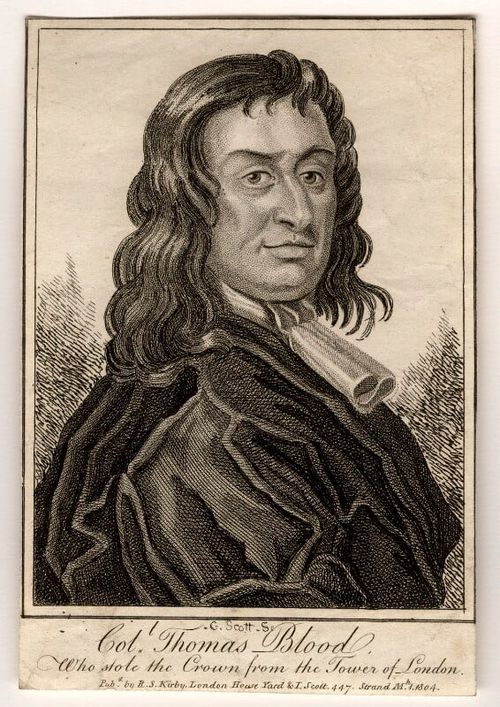
In 1671 Thomas Blood flattened King Charles II's crown with a mallet and ran for the Tower gate. He was caught, then pardoned and given an Irish estate.
 Executed
1696–1701 · United Kingdom
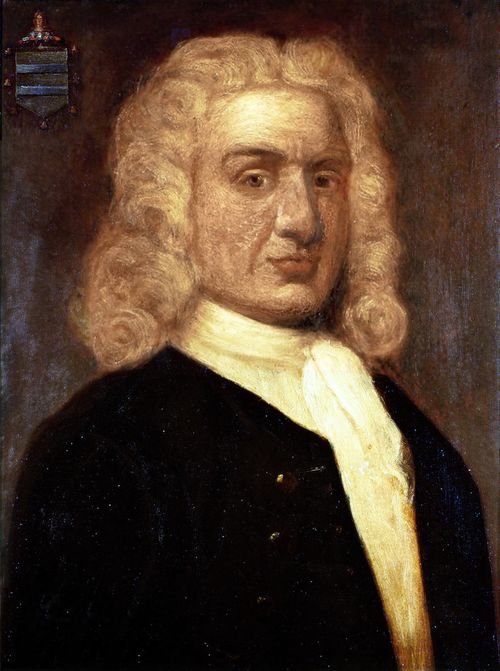
Sent by powerful backers to hunt pirates, William Kidd came home accused of being one, and was hanged twice at Execution Dock in 1701.
 Executed
1734–1739 · United Kingdom
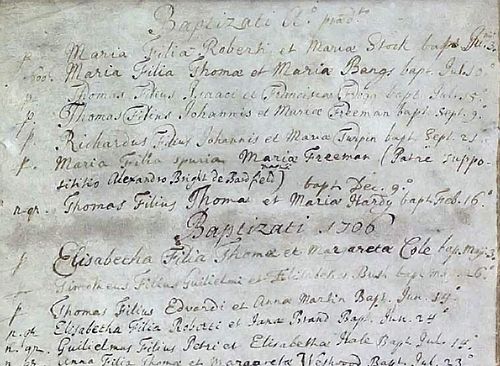
No night ride to York, no Black Bess: the real Dick Turpin was an Essex gang robber and killer, hanged at York in 1739 for stealing horses.
 Disputed verdict
1811 · United Kingdom
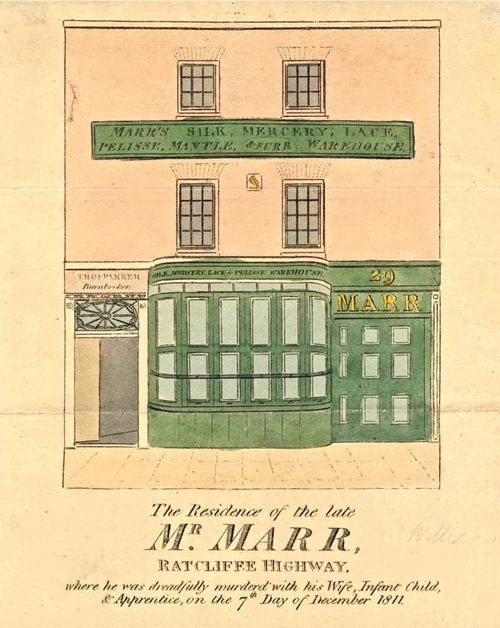
Seven people killed in two East London households twelve days apart in 1811. The suspect hanged himself before trial, and doubts have outlived him.
 Acquitted
1821–1826 · United Kingdom
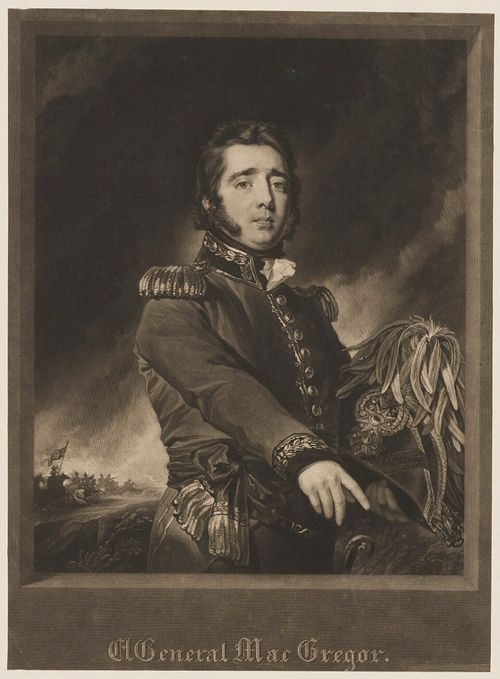
Gregor MacGregor sold bonds, land and passage to Poyais, a Central American country that did not exist. Most of the settlers who sailed there died.
 Executed
1827–1829 · United Kingdom
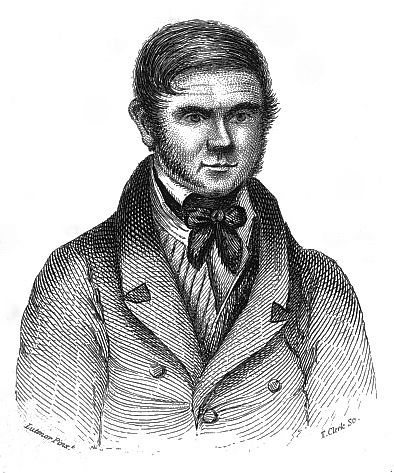
Two Irish labourers killed sixteen people in Edinburgh in 1828 and sold the bodies to an anatomy lecturer. Only one of them hanged.
 Executed
1827–1828 · United Kingdom
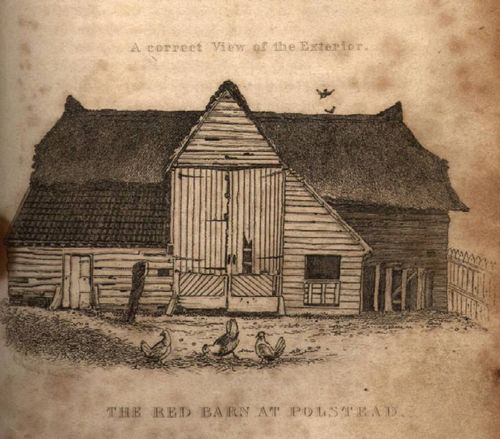
A Suffolk molecatcher's daughter left home in men's clothes to elope in 1827. Eleven months later her father dug her up from the floor of the Red Barn.
 Legend
1846–1847 · United Kingdom
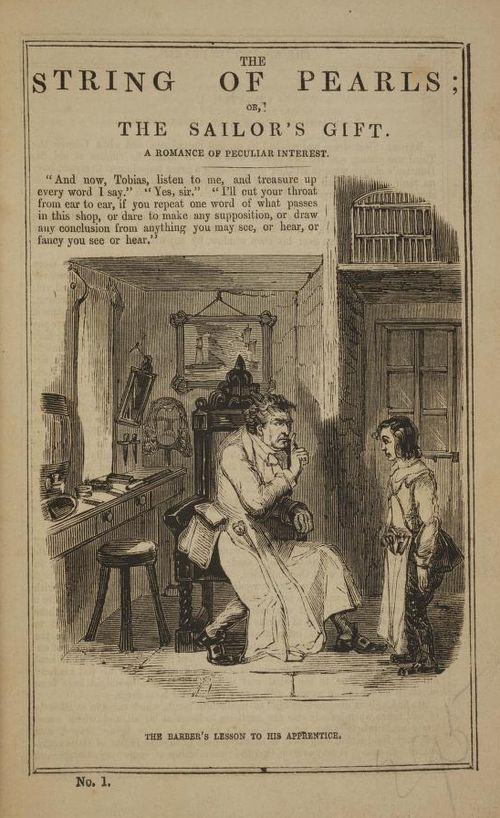
The demon barber of Fleet Street was born in a penny serial in 1846. No record shows he ever lived, yet the 'true story' claim has never quite died.
 Executed
1849 · United Kingdom
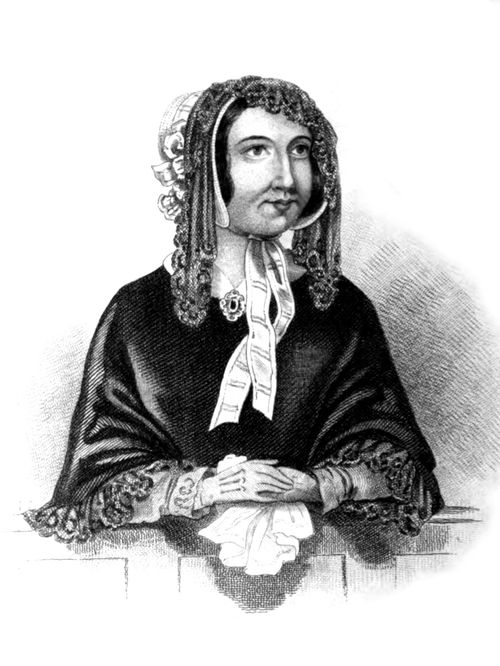
In 1849 a Swiss lady's maid and her husband buried their dinner guest under the kitchen floor, then each tried to cheat the other of his fortune.
 Convicted
1855–1857 · United Kingdom
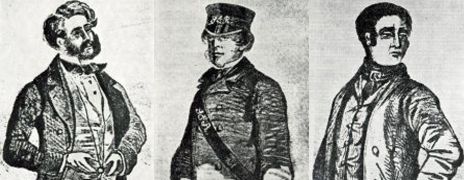
In May 1855 four men emptied the bullion safes on the London-to-Folkestone night train and refilled them with lead shot. Nobody noticed until Paris.
 Executed
1855–1856 · United Kingdom
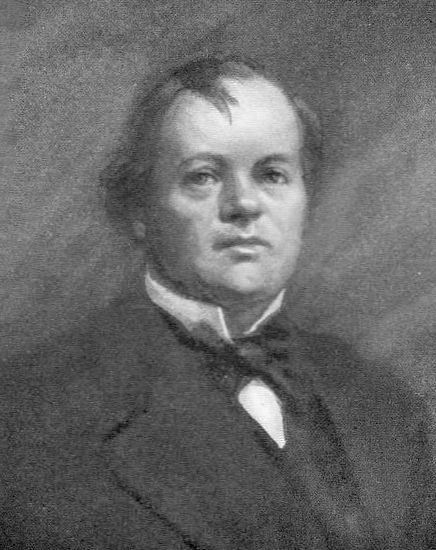
A Staffordshire doctor deep in racing debts, a friend's winnings at Shrewsbury, and a strychnine trial moved to London by Act of Parliament.
 Acquitted
1857 · United Kingdom
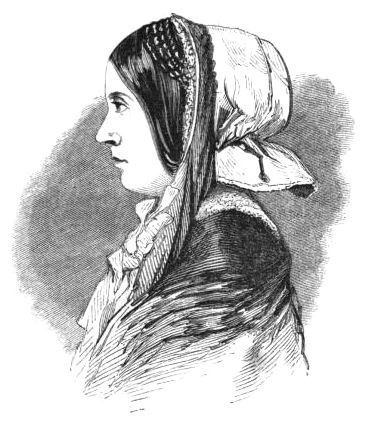
A Glasgow architect's daughter, a secret lover, his bundle of letters and three purchases of arsenic. In 1857 the jury said: not proven.
 Convicted
1860–1865 · United Kingdom
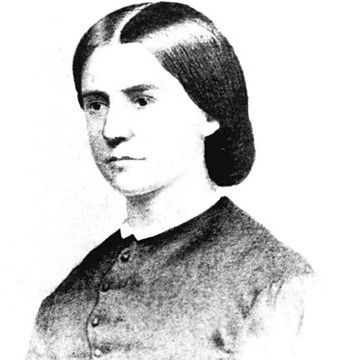
A three-year-old taken from his cot in a Wiltshire country house in 1860. Five years later his half-sister walked into Bow Street and confessed.
 Executed
1864–1865 · United Kingdom
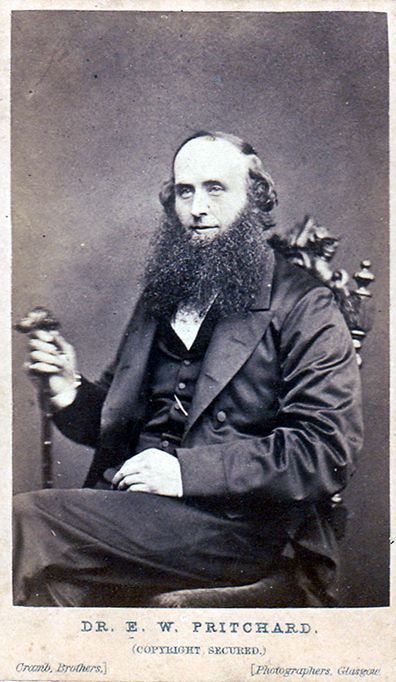
A Glasgow doctor poisoned his wife and her mother while nursing them, and in 1865 became the last man hanged in public in the city.
 Convicted
1866–1874 · United Kingdom
A bankrupt butcher from Wagga Wagga said he was a lost English baronet. A grieving mother believed him; two juries and 188 court days did not.
 Executed
1872–1873 · United Kingdom
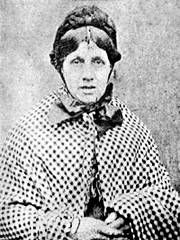
A County Durham nurse buried husbands, children and a lover to 'gastric fever'. A seven-year-old stepson's death finally brought arsenic to light.
 Executed
1876–1879 · United Kingdom
A limping Sheffield burglar shot two men, let an innocent one take the blame, and lived as a respectable gentleman in Peckham until a Blackheath break-in.
 Acquitted
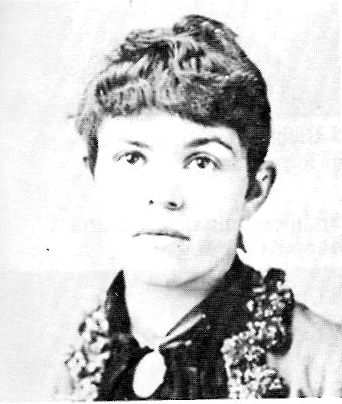
1886 · United Kingdom
A London grocer died on New Year's Day 1886 with liquid chloroform in his stomach and no burns in his throat. His wife was tried for murder and acquitted.
 Unsolved
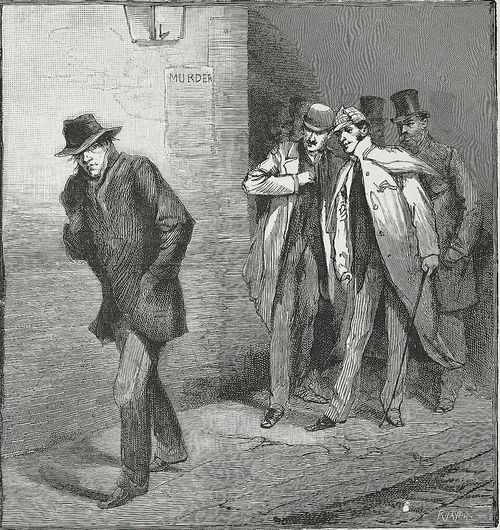
1888 · United Kingdom
Five women killed in ten weeks in London's East End in 1888, a name invented in a letter, and a killer the police never identified.
 Disputed verdict
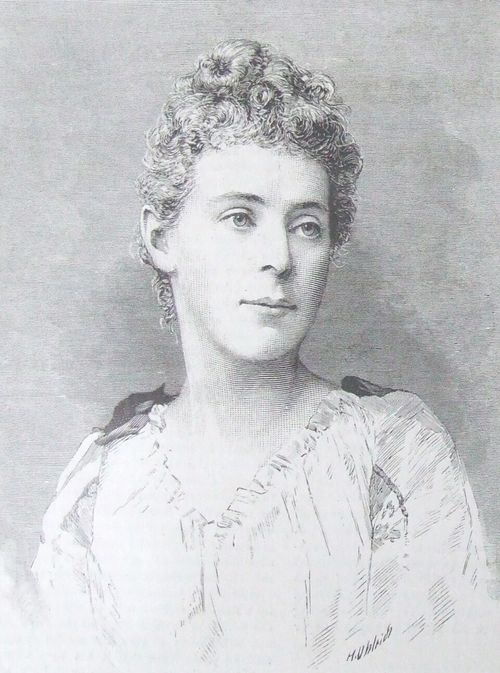
1889–1904 · United Kingdom
An American wife, a Liverpool cotton broker who dosed himself with arsenic, and a verdict so doubtful the Home Office reprieved her within weeks.
 Executed
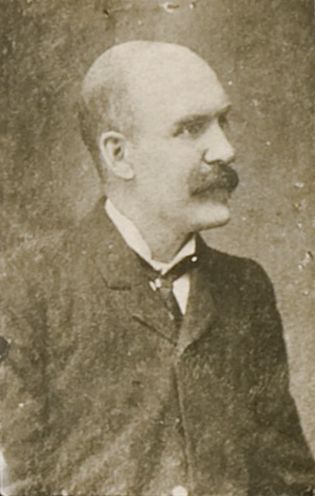
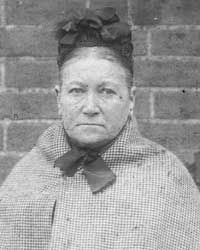
1891–1892 · United Kingdom
A McGill-trained doctor gave strychnine to young women in south London in 1891-92, then wrote blackmail letters that led Scotland Yard straight to him.
 Executed
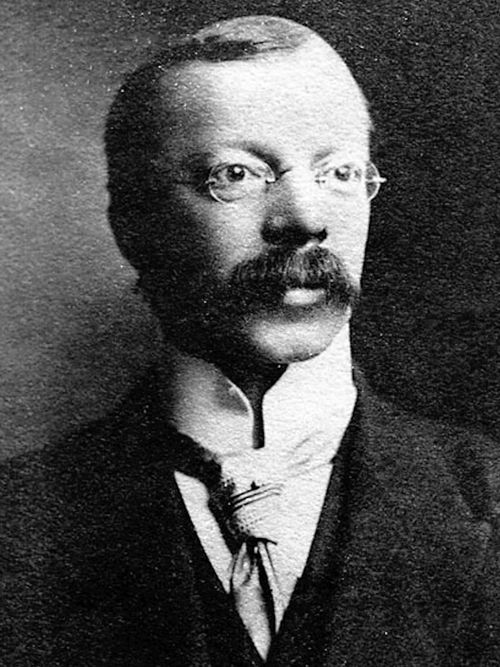
1896 · United Kingdom
For £10 'Mrs Harding' promised a mother's love to babies born outside marriage. In 1896 the Thames at Reading gave up what she had done with them.
 Executed
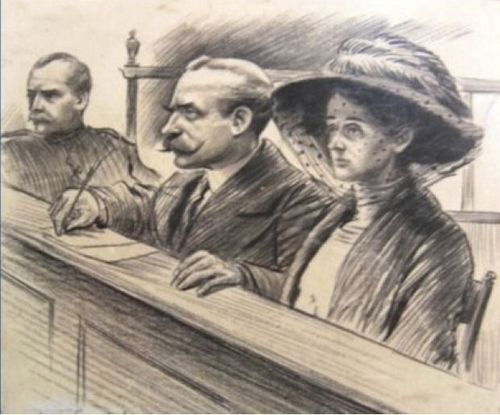
1910 · United Kingdom
In 1910 a mild American medicine seller fled London with his lover dressed as a boy, and a ship's wireless message brought him back to hang.
 Executed
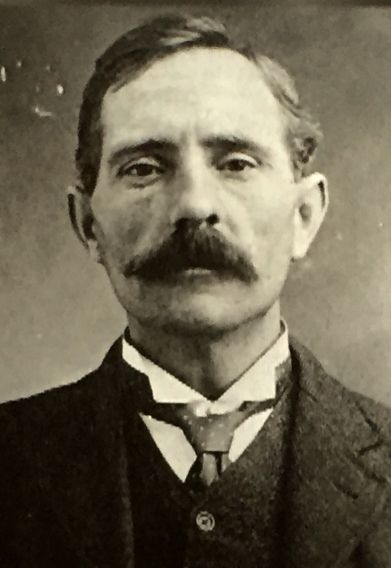
1911–1912 · United Kingdom
An insurance man took over his lodger's savings for an annuity. Weeks after she fell ill and died, the arsenic in her body sent him to the gallows.
 Executed
1912–1915 · United Kingdom
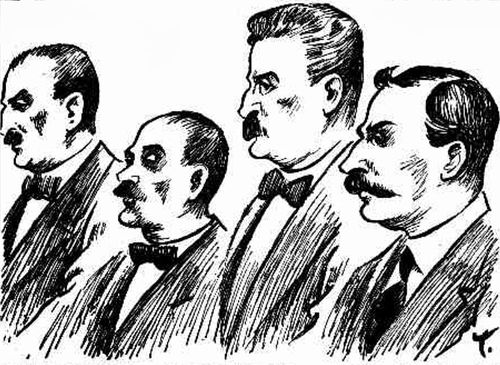
Three newly married women drowned in small baths in three towns. A grieving father's newspaper cutting exposed the bigamist behind all of them.
 Convicted
1913 · United Kingdom
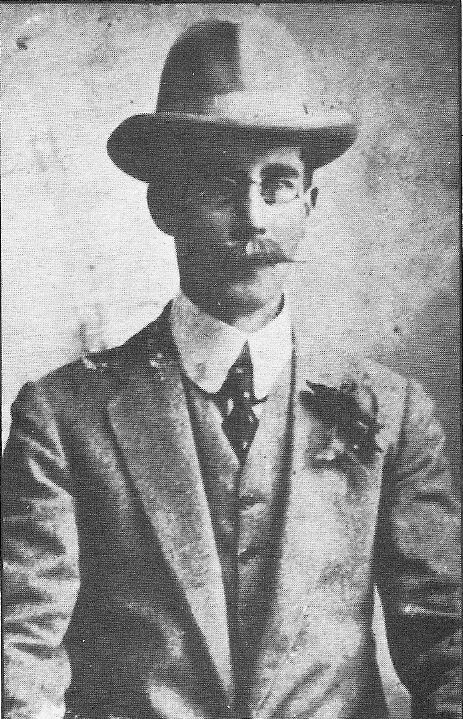
In July 1913 a Hatton Garden dealer opened a registered parcel from Paris and found sugar lumps instead of the world's most valuable pearl necklace.
 Executed
1920–1922 · United Kingdom
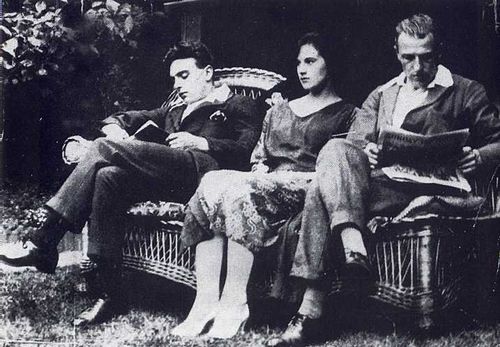
'Excuse fingers': a Hay-on-Wye solicitor handed his rival a buttered scone, and the arsenic trail led back to his wife's grave.
 Executed
1922–1923 · United Kingdom
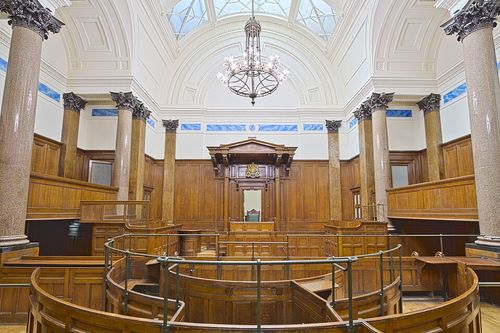
A young ship's steward stabbed his lover's husband on an Ilford street in 1922. Her letters, not her actions, took her to the gallows beside him.
 Disputed verdict
1931 · United Kingdom
A phone message sent a Liverpool insurance man to an address that did not exist. He came home to find his wife dead, and was sentenced to hang.