

The case
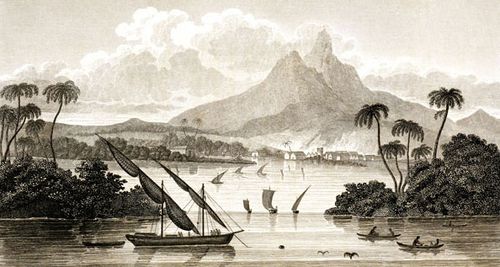
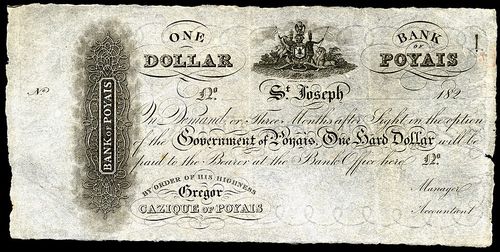
The settlers who stepped off the Kennersley Castle at the mouth of the Black River in March 1823 had come looking for St Joseph, a capital of paved boulevards, a theatre, an opera house and a domed cathedral. They had read about it in a 355-page guidebook. Some of the emigrants had traded their own coin for notes of the Bank of Poyais before sailing. On the shore of what is now Honduras they found a camp of earlier arrivals still waiting for officials who never came, the rubble of an abandoned eighteenth-century settlement, and jungle.
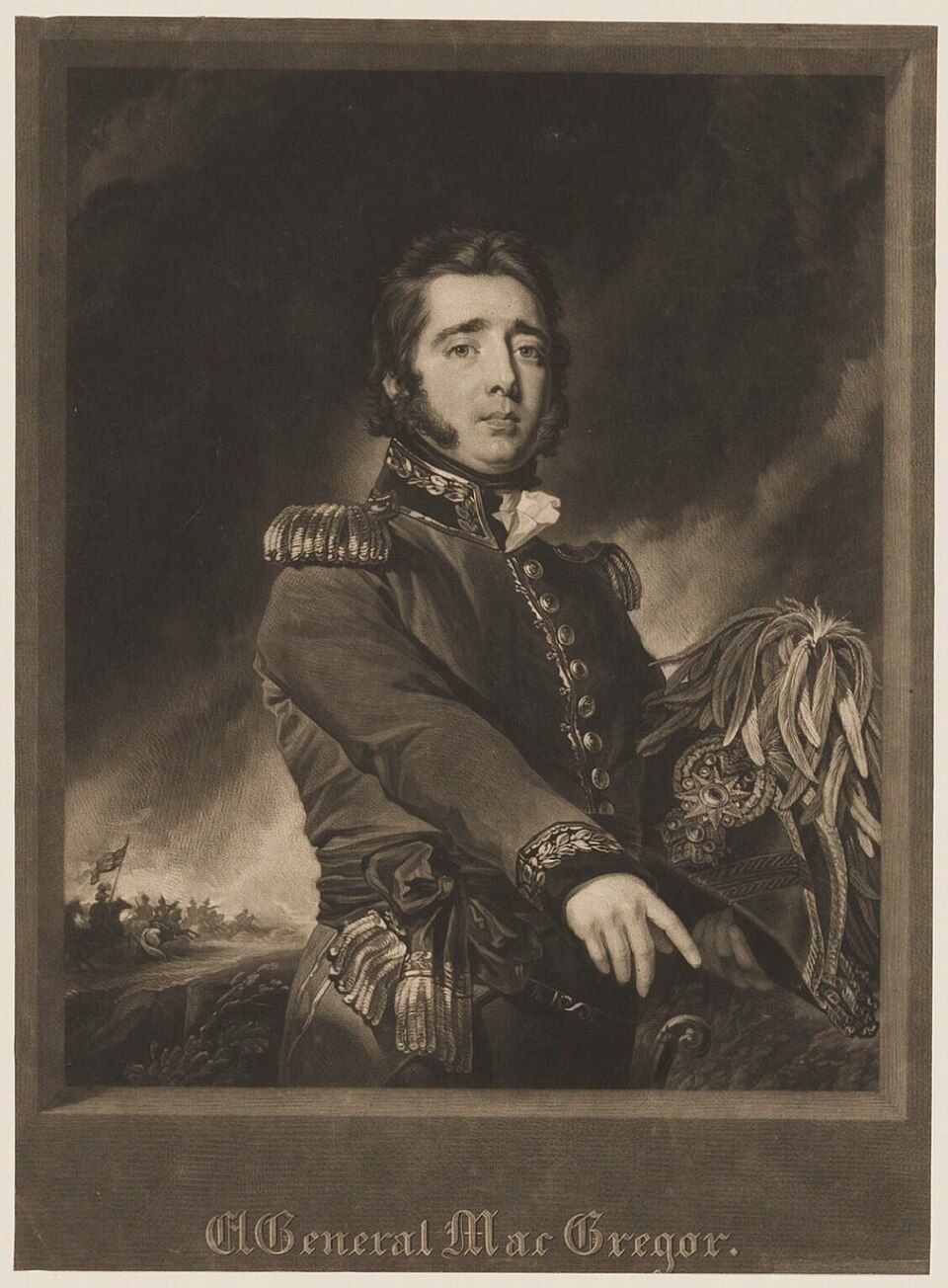
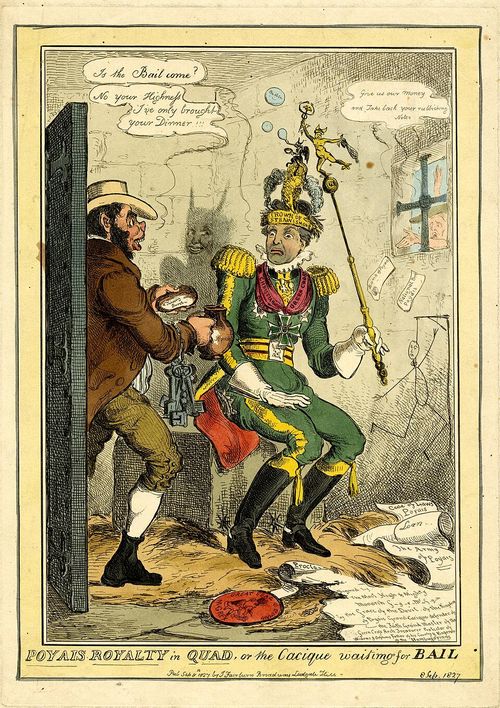
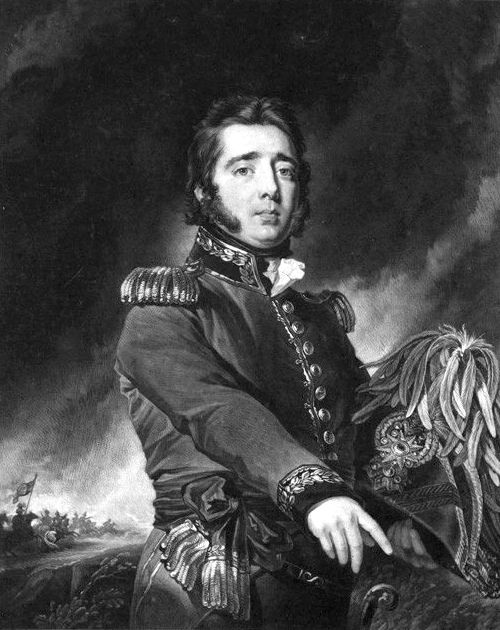
The man behind Poyais was Gregor MacGregor, a Scottish soldier who had fought in the Peninsular War and then for the independence movements in Venezuela and New Granada. Some of his South American campaigns had been genuinely brave. Others, at Porto Bello and Rio de la Hacha in 1819, ended with MacGregor sailing away and leaving his British volunteers to be killed or captured. In April 1820, at Cape Gracias a Dios, the Miskito king George Frederic Augustus signed over to him a large tract of coastal land in exchange for rum and jewellery. The ground was poor and nearly empty. MacGregor named it Poyais after a local people and returned to London in 1821 calling himself its Cazique, or prince.
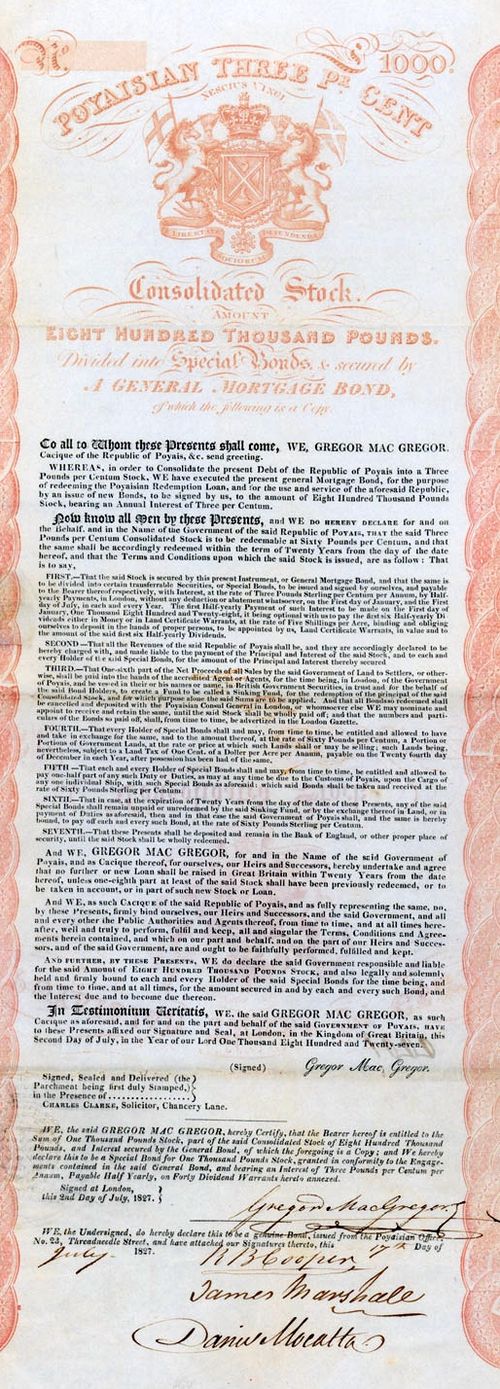
London was ready for him. After Waterloo, government bonds paid little, and investors were pouring money into the loans of the new Latin American republics. MacGregor gave Poyais everything a credible state needed: a constitution, an army with its own uniforms, honours, a London legation on Dowgate Hill, land offices in London, Edinburgh and Glasgow, and the guidebook, published in 1822 under the name of a "Captain Thomas Strangeways". It promised a healthy climate, three maize harvests a year, friendly natives and rivers with gold in them. Land certificates sold briskly, and in October 1822 a reputable London bank underwrote a £200,000 Poyais government loan.
To make the country seem real, MacGregor sent people. He recruited mainly among Scots, appealing to national pride and to memories of the failed Darien colony of the 1690s, and he offered skilled tradesmen free passage and government posts. The Honduras Packet left London in September 1822 with about seventy emigrants; the Kennersley Castle sailed from Leith in January 1823 with nearly two hundred more. Among them were a banker appointed to run the Bank of Poyais, young men who had bought army commissions, and an Edinburgh shoemaker who had accepted the post of official shoemaker to the Princess of Poyais.
At the Black River there was no government to meet them. The ship that brought the first party sailed off, and the settlers were left with the stores they had brought and no one in charge but Hector Hall, a former army officer whom MacGregor had made a colonel and a baron. When the rains came, malaria and yellow fever spread through the camp. In May 1823 a schooner from British Honduras arrived with the chief magistrate of Belize, who told them Poyais did not exist. The Miskito king then revoked the grant altogether. Most survivors were carried to Belize, where many more died. Of about 250 people who had sailed on the first two ships, at least 180 perished, and fewer than 50 ever saw Britain again. Warnings from Belize led the Royal Navy to intercept other emigrant ships already at sea.
When the first survivors reached London in October 1823 and the press called Poyais a fraud, MacGregor was already in Paris, where he found new partners in a trading company, the Compagnie de la Nouvelle Neustrie, and began selling Poyais land to French investors. Officials grew suspicious when dozens of people applied for passports to a country they had never heard of, and in 1825 the company's ship was held at Le Havre. MacGregor was arrested in December. At trial in 1826 the case against him fell apart, and the company's director, Lehuby, was the only defendant convicted. MacGregor walked free, returned to Britain and kept selling smaller Poyais schemes until 1837.
Who lost out
Most of those who paid with their lives were Scottish working people and small investors: sawyers, shoemakers, clerks, families with young children, and young men whose parents had bought them commissions in an army that did not exist. James Hastie, a sawyer who sailed with his wife and three children, lost two of the children in the ordeal. Investors in Britain and France who bought land certificates and bonds lost their money, and the Poyais loans became worthless as the scheme unravelled.
Timeline
Gregor MacGregor is born in Scotland.
MacGregor abandons his troops at Rio de la Hacha in New Granada.
The Miskito king signs a land grant to MacGregor on the Mosquito Coast.
MacGregor reappears in London as the Cazique of Poyais.
The guidebook Sketch of the Mosquito Shore, Including the Territory of Poyais is published.
The Honduras Packet leaves London with the first emigrants.
Scrip for a £200,000 Poyais government loan goes on sale in London.
The Kennersley Castle sails from Leith with nearly 200 emigrants.
The chief magistrate of Belize finds the sick settlers and tells them Poyais does not exist.
The first survivors arrive back in London; MacGregor has left for Paris.
MacGregor's associates are arrested in Paris after the French scheme is uncovered.
MacGregor himself is taken to La Force prison.
The retrial opens in Paris; MacGregor is acquitted and only Lehuby is convicted.
The last recorded attempt by MacGregor to sell Poyais land certificates.
MacGregor dies in Caracas and is buried with military honours.
People in the case
-
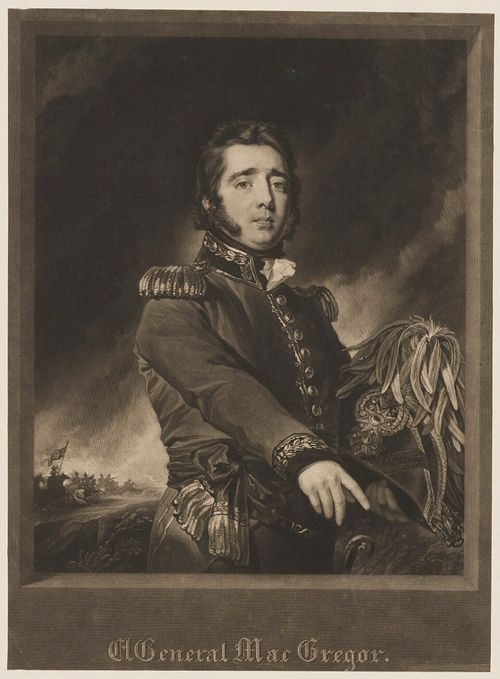
Gregor MacGregor Perpetrator
24 December 1786 – 4 December 1845
Scottish soldier who invented the country of Poyais and styled himself its Cazique; acquitted of fraud in Paris in 1826.
-
George Frederic Augustus Also involved
1798 – 9 March 1824
King of the Mosquito Coast who granted MacGregor land in 1820 and revoked the grant in 1823.
-
Hector Hall Also involved
Former British officer who led the first emigrant party and tried to find help for the stranded settlers.
-
Marshal Bennett Also involved
Chief magistrate of Belize who found the settlers in May 1823 and told them Poyais did not exist.
-
Edward Codd Investigator
Superintendent of British Honduras who opened an inquiry and warned London.
-
James Hastie Victim
Scottish sawyer who survived the colony and later wrote an account defending MacGregor.
-
Lehuby Accomplice
Managing director of the Compagnie de la Nouvelle Neustrie; the only defendant convicted in Paris, sentenced to 13 months.
-
Gustavus Butler Hippisley Accused
MacGregor's associate in Paris, arrested in 1825; the charges against him were dropped.
Where it happened
- Black River, Mosquito Coast. Site of the old British settlement where the Poyais emigrants landed, in present-day Honduras.
- Cape Gracias a Dios. Seat of the Miskito king, where the 1820 land grant was signed.
- Belize City. Where the surviving settlers were taken in 1823 and many died.
- Leith. Port near Edinburgh from which the Kennersley Castle sailed in January 1823.
- La Force Prison, Paris. Where MacGregor was held before his 1826 trial.
Outcome
Acquitted Acquitted
No British court ever tried MacGregor over Poyais. In France he was arrested in December 1825 with associates over a parallel Poyais land scheme. A first hearing in April 1826 ended with the prosecutor dropping the charges; at a retrial in July 1826 MacGregor was found not guilty on all counts, and only the French company director Lehuby was convicted, receiving 13 months.
What the record settles, and what it doesn't
Established
- Poyais as MacGregor described it, with its capital St Joseph, government and bank, did not exist.
- The Miskito king did grant MacGregor a large tract of land in April 1820, which MacGregor named Poyais, but the title of Cazique was MacGregor's invention.
- MacGregor sold Poyais land certificates and raised a £200,000 Poyais loan in London in 1822.
- About 250 emigrants sailed on the Honduras Packet and Kennersley Castle; at least 180 died and fewer than 50 returned to Britain.
- A French court acquitted MacGregor in 1826 and convicted only his French associate Lehuby.
- MacGregor continued smaller Poyais schemes until 1837 and died a Venezuelan general in Caracas in 1845.
Disputed
- Whether MacGregor knowingly sent settlers to their deaths or half-believed in his project: one modern analyst suggests he may have partly believed his own story, while his biographer treats the emigration as a deliberate means of propping up the bonds.
- Who was to blame on the spot: some survivors, including James Hastie, signed statements in 1823 blaming Hector Hall and other agents rather than MacGregor.
- Who wrote the Sketch of the Mosquito Shore: it appeared under the name Thomas Strangeways, who may have been invented or borrowed from an unrelated officer.
- How much money MacGregor actually made, given that many Poyais bond buyers never paid the later instalments.
Pictures





Afterwards
The Poyais affair faded from British memory surprisingly fast, partly because MacGregor kept the scheme going in quieter forms and partly because the wider crash of Latin American bonds in the 1820s blurred one failure into many. After his wife Josefa died near Edinburgh in 1838, MacGregor moved to Venezuela, where he was restored to his old rank as a general with a pension. When he died in Caracas in December 1845 he was buried in the cathedral with full military honours, the president walking behind his coffin; the obituaries praised his part in the wars of independence and said nothing about Poyais. The scheme has since been called one of the boldest frauds ever attempted, because MacGregor sold not a company but an entire country.
Questions readers ask
Was Poyais a real country?
No. MacGregor did receive a grant of land on the Mosquito Coast in 1820, but the state of Poyais, with its capital, bank and government, was his invention.
How many people died in the Poyais scheme?
Of about 250 emigrants on the first two ships, at least 180 died, most from tropical disease at the Black River or after being taken to Belize.
Was Gregor MacGregor ever punished?
No. He was tried in Paris in 1826 and acquitted; he was never prosecuted in Britain and died honoured in Venezuela in 1845.
Where was Poyais supposed to be?
On the Mosquito Coast of Central America, around the Black River in what is now northern Honduras.
Sources and further reading
- Gregor MacGregor (Wikipedia)
- Sketch of the Mosquito Shore (Wikisource)
- Gregor MacGregor (Wikidata)
- Wikidata Q330882 (life dates checked here)
Written by Sinister Crimes from the sources above; see our editorial standards. Last checked 1 November 2026.