

The case
When Eliza Mary Barrow's cousins called at 63 Tollington Park in north London in September 1911, they learned that she had died, been buried in a common grave, and left them nothing. Their landlord-turned-guardian, Frederick Seddon, explained that he had written to tell them, and that her money had all gone in an annuity and the funeral. The family vault at Highgate, where she might have been laid, had been passed over. The cousins went to the police.
Seddon was a Liverpudlian of about forty, a district superintendent of collectors for a large insurance company, who prided himself on his head for money. He owned a fourteen-room house in Tollington Park, near Finsbury Park, ran a second-hand clothes business in his wife's name, and let his upper floor. In July 1910 Miss Barrow took the rooms, bringing with her Ernest Grant, a young orphan boy she looked after, and her savings.
She was in her late forties, unmarried, deaf and quarrelsome, and she distrusted banks. Within months Seddon had persuaded her to transfer to him her India stock and the lease of a public house and barber's shop, in return for a life annuity of about £3 a week and free lodging. She also kept a sum in gold and notes in a cash box in her room. It was a bargain that would pay Seddon handsomely if she did not live long.
On 1 September 1911 she fell ill with sickness and diarrhoea. The family doctor, Henry Sworn, treated her for epidemic diarrhoea, which was common in that hot summer. A few days earlier the Seddons' daughter had bought arsenical flypapers from a local chemist. Miss Barrow got worse, refused to go to hospital, and a few days before her death made a will, drawn up by Seddon, leaving what she still owned to Ernest and his sister Hilda Grant, with Seddon as executor. She died early the next morning. The doctor, who had not seen her that day, certified epidemic diarrhoea, and Seddon arranged a cheap funeral, taking a commission from the undertaker.
The Vonderahes' complaint led to an exhumation in November. The pathologist Bernard Spilsbury found the body unusually well preserved, and the Home Office analyst William Willcox found arsenic throughout, which he calculated amounted to a fatal dose. Frederick and Margaret Seddon were both charged with murder.
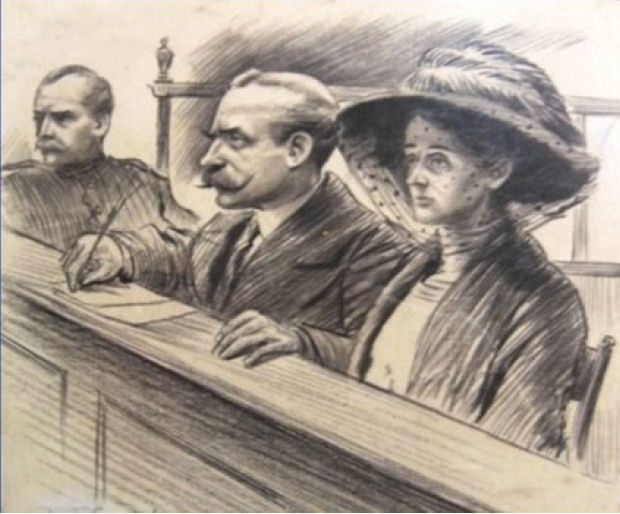
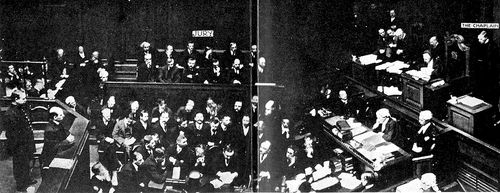
Their trial at the Old Bailey began on 4 March 1912 before Mr Justice Bucknill. The Attorney General, Sir Rufus Isaacs, prosecuted in person; Edward Marshall Hall defended Frederick. The defence argued that arsenic in her hair pointed to long-term medicinal use and that there was no direct proof that either Seddon had given her anything. Against his counsel's advice, Seddon went into the witness box and impressed the jury mainly with his coolness about money. On 14 March he was found guilty and his wife acquitted. In passing sentence, the judge responded to Seddon's appeal to him as a fellow Freemason. Seddon's appeal was dismissed, and he was hanged at Pentonville on 18 April 1912.
Who lost out
Eliza Mary Barrow was in her late forties, a single woman of independent means who had lived for years with friends and relatives in north London. She was hard of hearing, not easy to live with, and given to keeping cash at home. She was fond of children; for years she had cared for Ernest Grant, the orphaned son of friends, who shared her rooms in the Seddons' house and slept with her during her last illness. Before moving to Tollington Park she had lodged with her cousin, Frank Vonderahe, and his family, and had fallen out with them.
At her death she had nothing left in her own name except what Seddon chose to account for. Her cousins' persistence, and their anger that she had been put in a common grave instead of the family vault in Highgate, is what brought the case to light.
Timeline
Frederick Henry Seddon is born in Liverpool.
Eliza Barrow and the boy Ernest Grant move into the Seddons' house at 63 Tollington Park.
Over the following months she transfers her India stock and leasehold property to Seddon for a life annuity.
The Seddons' daughter buys arsenical flypapers from a local chemist.
Miss Barrow falls ill with sickness and diarrhoea.
She makes a will drawn up by Seddon, naming him executor; some accounts date it 13 September.
Eliza Barrow dies early in the morning; her death is certified as epidemic diarrhoea.
She is buried in a common grave, although her family had a vault at Highgate.
Her body is exhumed and arsenic is found.
Frederick and Margaret Seddon go on trial at the Old Bailey.
Frederick Seddon is convicted and sentenced to death; Margaret Seddon is acquitted.
The Court of Criminal Appeal dismisses his appeal.
Seddon is hanged at Pentonville Prison.
People in the case
-
Frederick Henry Seddon Perpetrator
21 January 1872 – 18 April 1912
Insurance superintendent of 63 Tollington Park, convicted of poisoning his lodger and hanged at Pentonville.
-
Eliza Mary Barrow Victim
? – 14 September 1911
Lodger in the Seddons' house, who transferred her investments to Seddon for an annuity; born c. 1862-63.
-
Margaret Ann Seddon Accused
Frederick's wife, who nursed Miss Barrow; tried with him for murder and acquitted. Aged 34 at the trial.
-
Frank Vonderahe Witness
Miss Barrow's cousin, whose suspicions after her death led to the police inquiry.
-
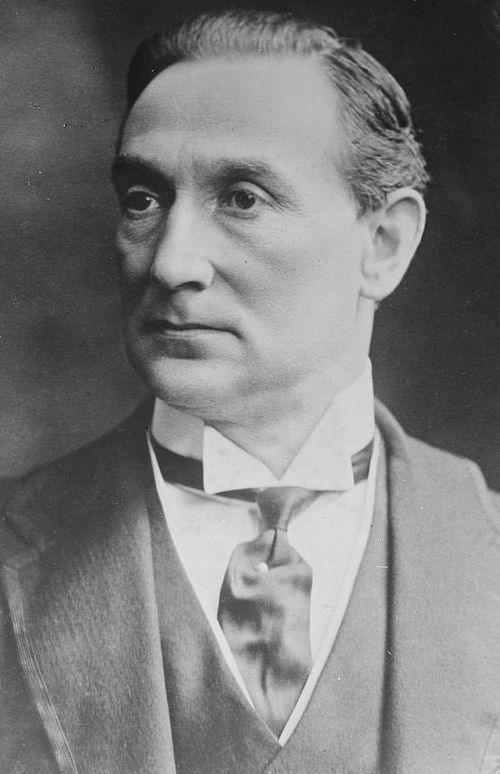
Sir Rufus Isaacs Prosecutor
10 October 1860 – 30 December 1935
Attorney General, who led the prosecution; his cross-examination of Seddon is often cited as a model.
-
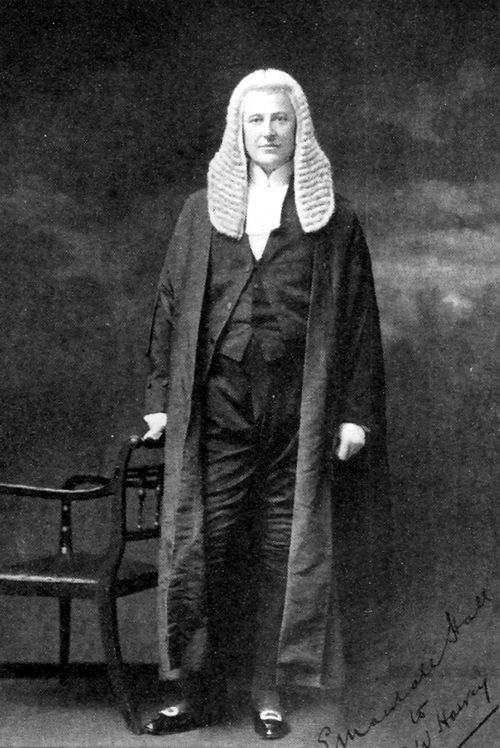
Edward Marshall Hall Defence
16 September 1858 – 24 February 1927
Led Frederick Seddon's defence and later blamed the verdict on his client's decision to testify.
-
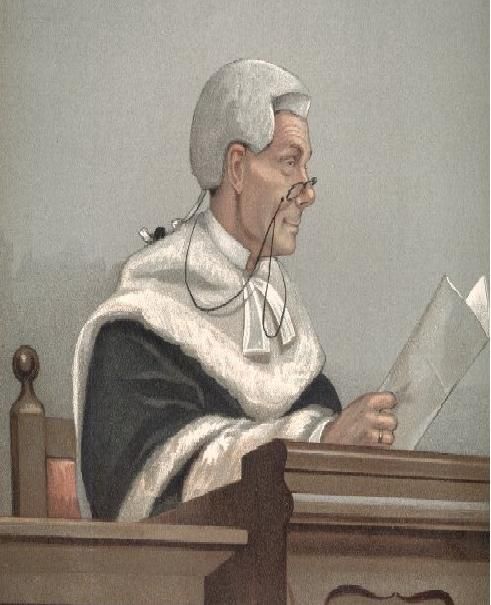
Sir Thomas Townsend Bucknill Judge
18 April 1845 – 4 October 1915
Trial judge, who passed sentence of death.
-
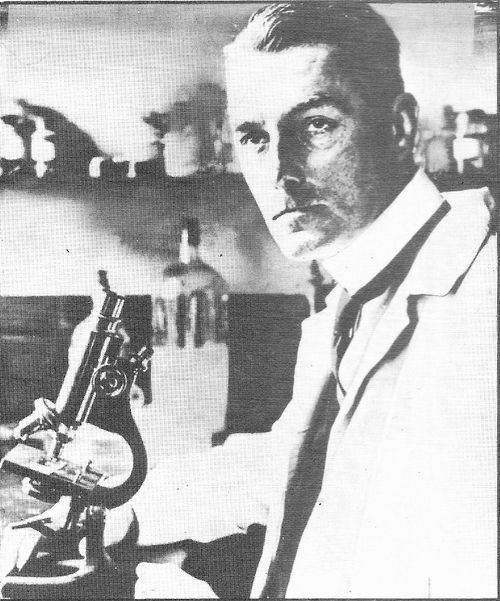
Bernard Spilsbury Investigator
16 May 1877 – 17 December 1947
Pathologist who performed the post-mortem after exhumation.
-
William Willcox Investigator
1870 – 1941
Home Office analyst who found and quantified the arsenic.
Where it happened
- 63 Tollington Park, Islington. The Seddons' house, where Eliza Barrow lodged and died. Approximate position of the street.
- Old Bailey (Central Criminal Court). Where the Seddons were tried from 4 to 14 March 1912.
- Pentonville Prison. Where Frederick Seddon was hanged on 18 April 1912.
Outcome
Executed Executed
Frederick and Margaret Seddon were tried together for murder at the Central Criminal Court from 4 to 14 March 1912. The jury convicted Frederick and acquitted Margaret, and Mr Justice Bucknill sentenced him to death. The Court of Criminal Appeal dismissed his appeal, and he was hanged at Pentonville on 18 April 1912.
What the record settles, and what it doesn't
Established
- Eliza Mary Barrow died at 63 Tollington Park on 14 September 1911 after about two weeks of illness.
- Before her death she had transferred her investments and leasehold property to Frederick Seddon in return for an annuity.
- Arsenic was found throughout her exhumed body in November 1911.
- Arsenical flypapers had been bought for the Seddon household shortly before she fell ill.
- Seddon arranged a cheap funeral in a common grave and took a commission from the undertaker.
- He was convicted of her murder on 14 March 1912; his wife was acquitted; he was hanged on 18 April 1912.
Disputed
- Whether the arsenic was given deliberately: the defence argued it could have come from medicines she took, or that she drank water from flypaper dishes, while the Crown said the quantity and timing showed poisoning.
- How reliable Willcox's calculation of the total dose was, since it was extrapolated from samples; the defence challenged it at trial.
- Whether Margaret Seddon was the one who administered the poison; she was acquitted, and she later gave newspaper accounts that contradicted each other.
- What happened to the cash Miss Barrow kept in her room, which was never fully accounted for.
- Whether Seddon would have been acquitted had he not given evidence, as Marshall Hall believed.
Pictures


Afterwards
Margaret Seddon remarried within months and later emigrated to the United States with her children. The trial is remembered for Sir Rufus Isaacs's cross-examination, which drew from Seddon a calm, almost commercial account of his dealings with a dying woman, and for the arguments over Willcox's estimate of the arsenic dose, which became a teaching case in forensic toxicology. It also helped establish Bernard Spilsbury as the leading Crown pathologist of his generation.
The exchange between Seddon and the judge on the subject of Freemasonry became one of the best-known moments of any English murder trial, and a press photograph of the sentence being passed is one of very few showing a judge in the black cap.
Questions readers ask
Who did Frederick Seddon poison?
Eliza Mary Barrow, his lodger at 63 Tollington Park in north London, who died on 14 September 1911. She had signed over her investments to him in exchange for an annuity.
Was Margaret Seddon guilty?
She was tried for murder alongside her husband and acquitted on 14 March 1912. Some later writers have speculated about her role, but the jury found her not guilty.
How did Seddon poison Eliza Barrow?
The prosecution said the arsenic came from flypapers soaked in water, which could be added to food or medicine. Her body was exhumed in November 1911 and found to contain arsenic.
Why did Frederick Seddon mention Freemasonry at his sentencing?
After the verdict he appealed to the judge, Mr Justice Bucknill, as a fellow Freemason, protesting his innocence. The judge acknowledged their shared membership but said it could not affect his duty, and passed the death sentence.
Sources and further reading
- Frederick Seddon (Wikipedia)
- Trial of Frederick Henry and Margaret Ann Seddon, Old Bailey Proceedings (t19120227-48)
- The Trial of the Seddons (Project Gutenberg Australia)
- Wikidata Q5498712 (life dates checked here)
Written by Sinister Crimes from the sources above; see our editorial standards. Last checked 1 November 2026.