

The case
After James Maybrick died at Battlecrease House in May 1889, the police searched the house and found arsenic almost everywhere: in bottles, in packets, in a trunk and in the dressing gown of his wife, Florence. There was enough to kill a great many people. The question that dominated the Liverpool trial that summer, and the fifteen years of argument that followed, was whose arsenic it was, and whether it was what killed him.
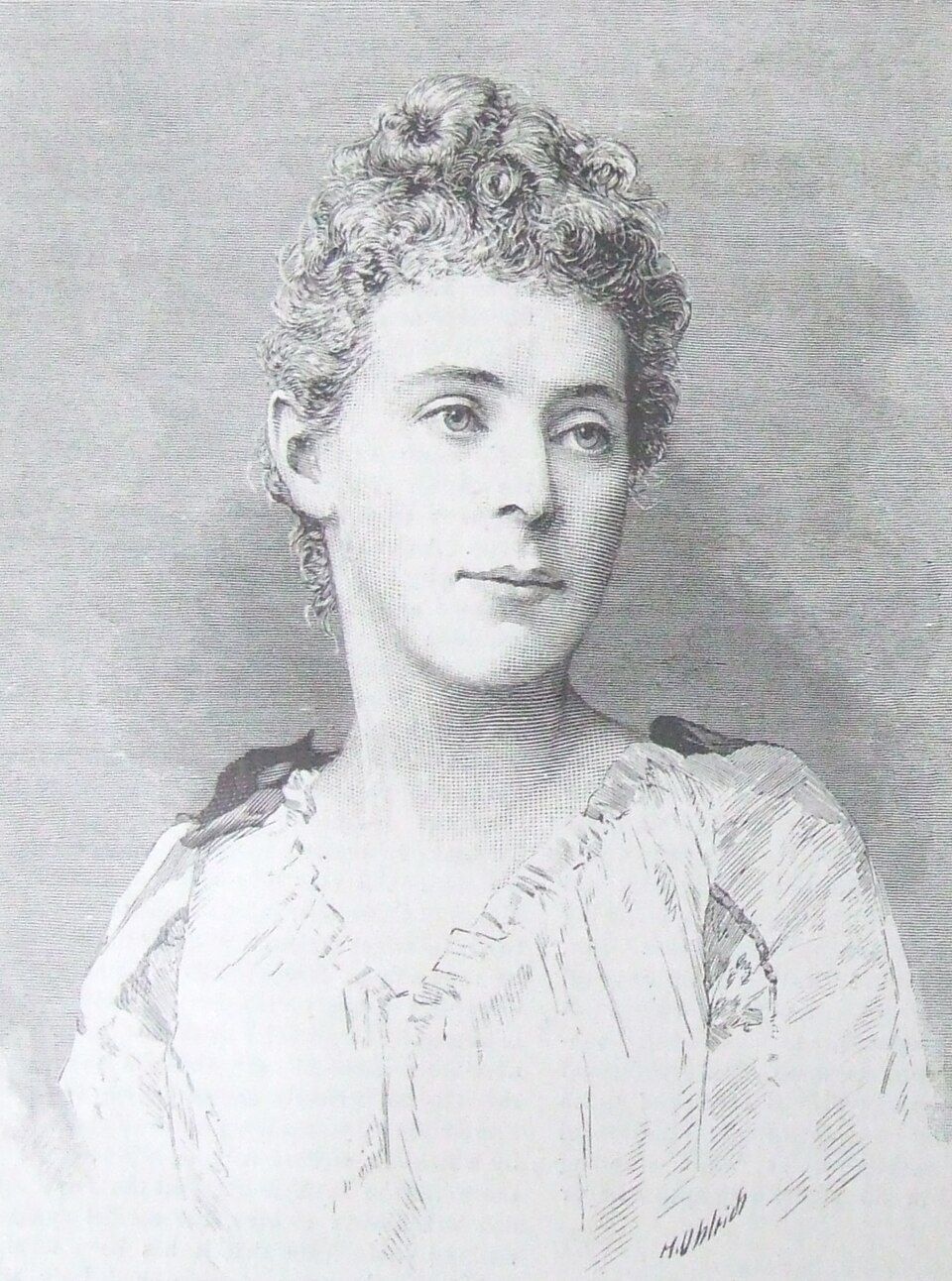
Florence Elizabeth Chandler was born in Mobile, Alabama, in 1862, the daughter of a banker who died before her birth. She met James Maybrick, a Liverpool cotton broker more than twenty years older, on an Atlantic crossing, and they married in London in July 1881. They settled in Aigburth, in the comfortable southern suburbs of Liverpool, and had a son and a daughter. Outwardly they were a successful couple; privately the marriage was failing. He kept a mistress, and was a hypochondriac who took patent medicines and, according to his own chemist, arsenic as a tonic. She ran up debts, and in the spring of 1889 she spent a night at a London hotel with a younger cotton broker, Alfred Brierley. After the Grand National in March the couple quarrelled violently, and divorce was discussed.
James Maybrick fell ill on 27 April 1889. His doctors treated him for indigestion, but he grew worse over the following fortnight. In the meantime it emerged that Florence had bought arsenical flypapers and soaked them in water, which she said was to make a cosmetic face wash. On 8 May the children's nurse, Alice Yapp, opened a letter Florence had written to Brierley and handed it to the family. James's brothers Edwin and Michael took charge of the house and of the sickroom, and Florence was in effect confined. A bottle of Valentine's meat juice that she had handled was later found to contain arsenic, though it was never given to the patient. James Maybrick died on 11 May.
The post-mortem found only a small amount of arsenic, well short of a recognised fatal dose. An inquest nonetheless returned a verdict against her, and she was sent for trial. The case opened at St George's Hall, Liverpool, on 31 July 1889 before Mr Justice Stephen, with John Addison prosecuting and Sir Charles Russell defending.
Russell argued that a man who had dosed himself with arsenic for years could not safely be said to have died of it, and medical witnesses on both sides disagreed about the cause of death. Florence made a statement from the dock, which was permitted at the time: she said her husband had begged her to put a powder in the meat juice. The judge's summing up ran over two days and dwelt heavily on her adultery. On 7 August the jury convicted her after less than an hour, and she was sentenced to death.
There was an immediate outcry in Britain and the United States. On 22 August the Home Secretary, Henry Matthews, commuted the sentence to penal servitude for life, reasoning that although she had administered poison with intent to kill, there was reasonable doubt that arsenic caused her husband's death. Critics pointed out that this meant she was imprisoned for attempted murder, a crime she had never been tried for. With no court of appeal in existence, her only remedy was the Home Office, and repeated petitions failed. She served almost fifteen years in Woking and Aylesbury prisons and was released in January 1904.
The victims
James Maybrick was born in Liverpool in October 1838, one of seven sons of an engraver, and made his living in the city's cotton trade, spending years in Norfolk, Virginia, where he bought cotton for export. He was a sociable man who enjoyed racing and the Liverpool social round, and a lifelong worrier about his health who took remedies prescribed and unprescribed. By 1889 his business was under strain.
The case also left two children without either parent. James Chandler Maybrick was seven and his sister three when their father died and their mother was arrested. They were brought up away from her, and she never saw them again.
Timeline
Florence Elizabeth Chandler is born in Mobile, Alabama.
She marries James Maybrick at St James's Church, Piccadilly.
After a night in London with Alfred Brierley and a quarrel at the Grand National, the marriage is near collapse.
James Maybrick falls ill at Battlecrease House.
The nursemaid Alice Yapp intercepts Florence's letter to Brierley and gives it to the family.
James Maybrick dies at home in Aigburth.
Florence Maybrick's trial for murder opens at St George's Hall, Liverpool.
The jury finds her guilty and Mr Justice Stephen sentences her to death.
The Home Secretary commutes the sentence to penal servitude for life.
She is moved from Woking to Aylesbury prison.
She is released and soon returns to the United States.
Parliament creates the Court of Criminal Appeal, a reform her case had been cited to support.
She dies in poverty at Gaylordsville, Connecticut.
People in the case
-
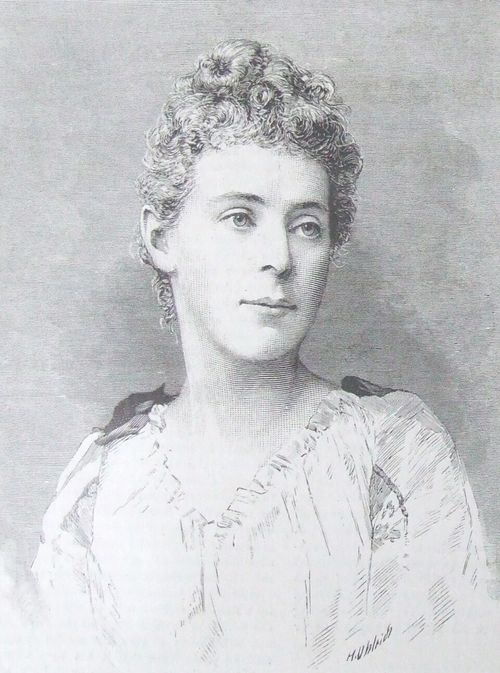
Florence Maybrick Accused
3 September 1862 – 23 October 1941
Born Florence Elizabeth Chandler in Mobile, Alabama. Convicted of murdering her husband; sentence commuted to life; released 1904.
-
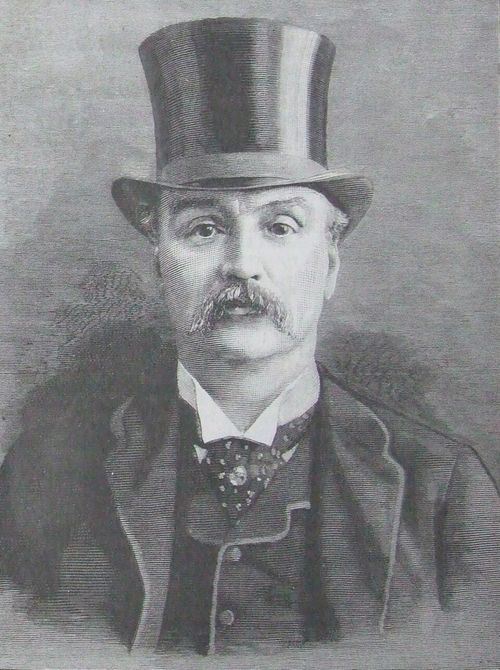
James Maybrick Victim
24 October 1838 – 11 May 1889
Liverpool cotton broker and habitual user of arsenic and patent medicines. Wikidata also lists 25 October as his birth date.
-
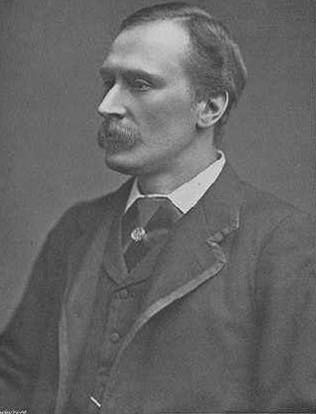
Michael Maybrick Witness
31 January 1841 – 26 August 1913
James's brother, a composer and singer who took control of the household in the last days of the illness and gave evidence at the trial.
-
Alfred Brierley Also involved
Liverpool cotton broker with whom Florence had an affair in 1889; her intercepted letter to him was used at the trial.
-
Alice Yapp Witness
Nursemaid to the Maybrick children who opened Florence's letter to Brierley and passed it to the family.
-
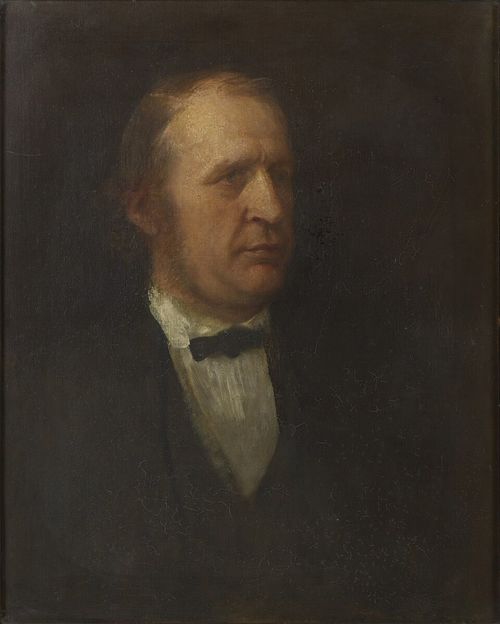
Sir James Fitzjames Stephen Judge
3 March 1829 – 11 March 1894
Trial judge, whose two-day summing up was widely criticised; he retired from the bench in 1891.
-
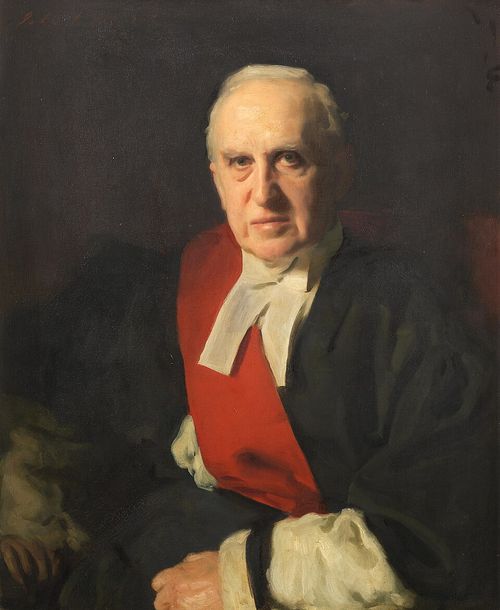
Sir Charles Russell Defence
10 November 1832 – 10 August 1900
Led her defence and later, as Lord Chief Justice, pressed repeatedly for her release.
-
John Addison Prosecutor
Queen's Counsel and MP who led for the Crown.
-
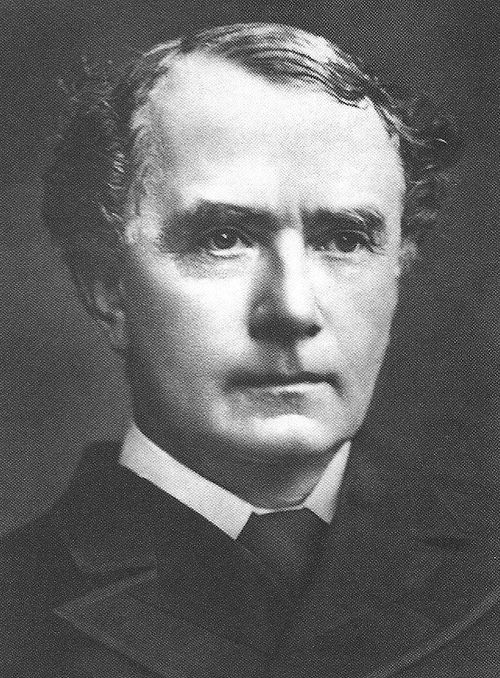
Henry Matthews Also involved
13 January 1826 – 3 April 1913
Home Secretary who commuted the death sentence in August 1889.
Where it happened
- Aigburth, Liverpool. Suburb where the Maybricks lived at Battlecrease House and where James Maybrick died.
- St George's Hall, Liverpool. Where the assize trial was held from 31 July to 7 August 1889.
Outcome
Disputed verdict Convicted, sentence commuted
Florence Maybrick was convicted of murder at the Liverpool Assizes on 7 August 1889 and sentenced to death. On 22 August the Home Secretary commuted the sentence to penal servitude for life, accepting that there was reasonable doubt whether arsenic had caused her husband's death. There was then no right of appeal, and she was released on licence in January 1904 after nearly fifteen years.
What the record settles, and what it doesn't
Established
- James Maybrick died at Battlecrease House, Aigburth, on 11 May 1889 after an illness that began on 27 April.
- He had taken arsenic and arsenic-containing medicines for years, and large quantities of arsenic were found in the house after his death.
- Florence Maybrick had bought arsenical flypapers and soaked them, and was having an affair with Alfred Brierley.
- Only a small, non-fatal quantity of arsenic was found in his body at the post-mortem.
- A jury convicted her of murder on 7 August 1889, and the death sentence was commuted to life imprisonment on 22 August.
- The Home Secretary's own stated reason for the commutation was doubt that arsenic caused the death.
- She was released in January 1904 and died in Connecticut in 1941.
Disputed
- Whether James Maybrick died of arsenic poisoning at all, or of gastroenteritis or the cumulative effects of his own medicines; medical witnesses disagreed at the trial and since.
- Whether Florence tried to poison him: the Home Office concluded she did, while her supporters accepted her account that the flypapers were for a cosmetic and the powder in the meat juice was given at his request.
- Whether the judge's summing up, with its emphasis on her adultery, made the trial unfair; many lawyers then and later thought it did.
- The role of her husband's brothers, whom some writers see as protective and others as hostile and self-interested.
- James Maybrick's posthumous naming as a Jack the Ripper suspect, based on a diary that surfaced in 1992; most historians regard the diary as a modern forgery.
Pictures


Afterwards
Florence Maybrick became a cause célèbre in America, where petitions were signed by thousands and the State Department took an interest. After her release she lectured on prison conditions and published My Fifteen Lost Years (1904), protesting her innocence. She lived her last decades in obscurity as Florence Chandler in a small cottage in Gaylordsville, Connecticut, and died there in 1941 with almost nothing; her death made the front page of The New York Times. Her son died in 1911 after drinking cyanide solution in mistake for water.
The case was one of several, along with that of Adolf Beck, cited in the campaign for a criminal appeal court in England, which was finally created by the Criminal Appeal Act 1907. It later inspired fiction, including Dorothy L. Sayers's Strong Poison (1930).
Questions readers ask
Did Florence Maybrick kill her husband?
A jury convicted her in 1889, but the Home Secretary commuted her death sentence because there was reasonable doubt that arsenic caused James Maybrick's death. Historians remain divided, and many regard the conviction as unsafe.
Why was Florence Maybrick's death sentence commuted?
The Home Secretary concluded that she had given her husband poison with intent to kill, but that it could not be shown the arsenic killed him. That meant she served a life sentence in effect for attempted murder, a charge she never faced.
How long was Florence Maybrick in prison?
Nearly fifteen years. She was arrested in May 1889, held at Woking and then Aylesbury prisons, and released in January 1904.
What is the connection between James Maybrick and Jack the Ripper?
In 1992 a diary claiming to be James Maybrick's confession as the Ripper was published. Most historians and document examiners consider it a forgery, and there is no contemporary evidence linking him to the Whitechapel murders.
Sources and further reading
- Florence Maybrick (Wikipedia)
- The Trial of Florence Maybrick (Casebook transcriptions)
- Florence Maybrick, Liverpool Mercury retrospective (Old Mersey Times)
- Mrs. Maybrick's Own Story: My Fifteen Lost Years (Internet Archive)
- Wikidata Q2912678 (life dates checked here)
Written by Sinister Crimes from the sources above; see our editorial standards. Last checked 1 November 2026.