

The case
A little before four in the morning on 1 January 1886, Adelaide Bartlett sent the maid at 85 Claverton Street in Pimlico for the doctor and woke the landlord. Her husband Edwin, she said, was dead. The post-mortem found a large quantity of liquid chloroform in his stomach, enough to kill him, but none of the burning of the mouth and throat that swallowing it would normally leave. Nobody has ever satisfactorily explained how it got there.
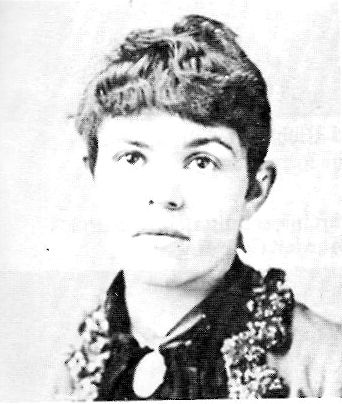
Thomas Edwin Bartlett was forty, a prosperous grocer who with a partner ran a string of shops in south London. In 1875 he had married Adelaide Blanche de la Tremoille, then about twenty, a young woman born in France of uncertain parentage who was said to be the natural daughter of a well-born Englishman. Soon after the wedding Edwin sent her to a convent school in Belgium to finish her education, visiting her there. According to Adelaide, their marriage was meant to be platonic, and they had been intimate only once; the child of that union was stillborn in 1881.
In 1885 the couple came to know the Reverend George Dyson, a young Wesleyan minister who became Adelaide's tutor and an almost constant visitor, so much at home that he kept a jacket and slippers in the house. Edwin seems to have encouraged the friendship. He had made Dyson an executor of his will, and a few months before his death he redrew it to leave everything to Adelaide without the usual condition that she not remarry. By Adelaide's account, Edwin had in effect given her to Dyson for the time when he himself would be gone.
In December 1885 Edwin was ill, with a painful mouth after drastic dental work, low spirits and sleeplessness, and his doctor, Alfred Leach, attended him almost daily. Late in the month Adelaide asked Dyson to buy her chloroform. Her explanations varied: to soothe her husband's pain, or, as she told Dr Leach afterwards, to wave under his nose and deter his advances. Dyson bought several small bottles from different chemists, telling them it was for removing grease stains, and gave them to her. On New Year's Eve Edwin went to the dentist again and seemed cheerful that evening. In the early hours he was dead.
Edwin's father, who had never liked Adelaide, insisted on an investigation. The coroner's jury returned a verdict of wilful murder against Adelaide, with Dyson as accessory, and both were sent for trial. At the Old Bailey on 12 April 1886 the Crown dropped the charge against Dyson and called him as a witness. The Attorney General, Sir Charles Russell, prosecuted; Edward Clarke defended Adelaide. She could not give evidence, and the defence called no witnesses.
Clarke's case was simple. The Crown could not show how a woman could make a man swallow a burning liquid without leaving any trace in his throat, and without his crying out. Edwin, he suggested, might have drunk it himself. After six days the jury acquitted her, while saying that they had grave suspicions but no evidence of how or by whom the chloroform was given. The courtroom applauded.
The victims
Edwin Bartlett was the son of a modest family who had built up a successful grocery business through hard work, and by the time of his death he was comfortably off. Friends and employees found him kind and good-natured. He was also, by the accounts that survive, a man of odd ideas about marriage, diet and health, though most of those accounts came from his widow and her friend, who had every reason to make his behaviour seem eccentric.
In his last weeks he was miserable with a rotting jaw and dental treatment and was sleeping badly. He was forty years old.
Timeline
Adelaide Blanche de la Tremoille is born in France.
She marries the grocer Edwin Bartlett.
Adelaide gives birth to a stillborn child.
The Bartletts meet the Reverend George Dyson, who becomes her tutor and a close friend.
The couple take rooms at 85 Claverton Street, Pimlico.
Edwin is ill and attended by Dr Leach; Dyson buys chloroform for Adelaide.
Edwin Bartlett is found dead in the early hours; chloroform is found in his stomach.
The coroner's jury returns a verdict of wilful murder against Adelaide, and she and Dyson are committed for trial.
The trial opens at the Old Bailey; the charge against Dyson is dropped.
The jury acquits Adelaide Bartlett.
People in the case
-
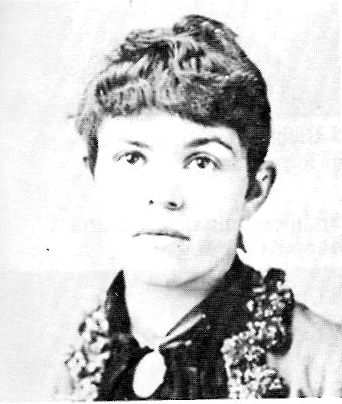
Adelaide Bartlett Accused
1855 – ?
Born Adelaide Blanche de la Tremoille in France; tried for her husband's murder and acquitted. Her later life and death are unknown.
-
Thomas Edwin Bartlett Victim
1845 – 1 January 1886
London grocer who died with liquid chloroform in his stomach.
-
George Dyson Witness
Wesleyan minister who bought chloroform for Adelaide; charged as an accessory, then discharged and called by the Crown.
-
Alfred Leach Witness
Edwin's doctor, who attended him in his last weeks and was called on the night of his death.
-
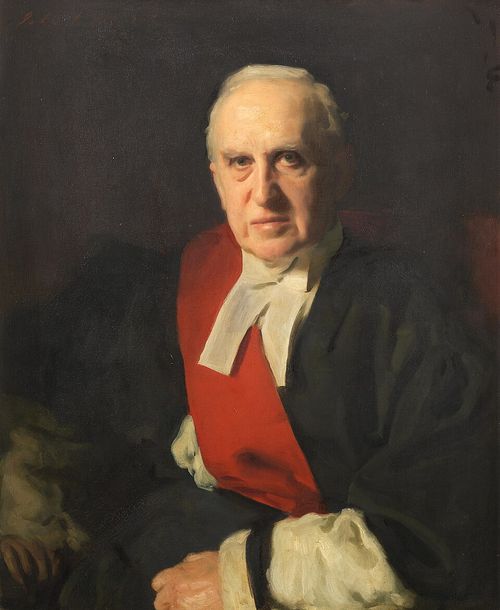
Sir Charles Russell Prosecutor
10 November 1832 – 10 August 1900
Attorney General; led the prosecution.
-
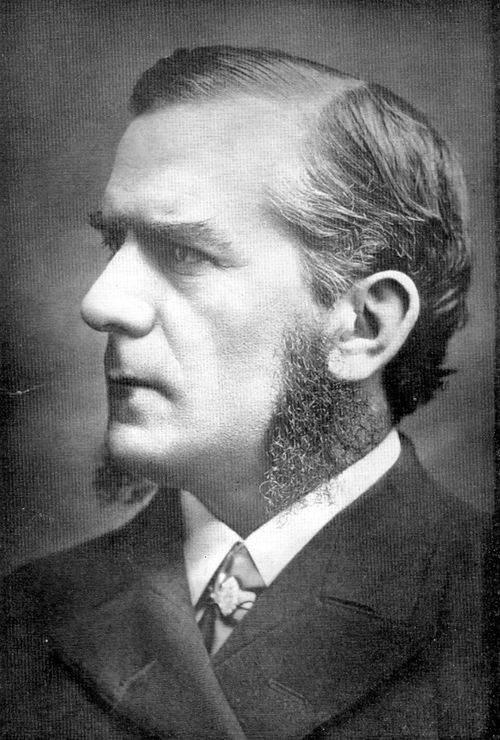
Edward Clarke Defence
15 February 1841 – 26 April 1931
Defence counsel, whose closing speech made his reputation.
-
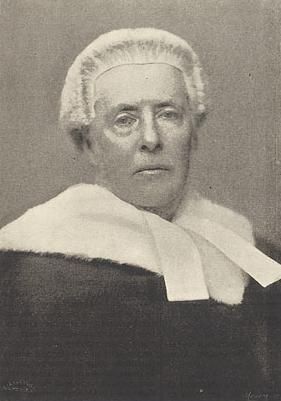
Sir Alfred Wills Judge
11 December 1828 – 9 August 1912
Trial judge, whose summing up was considered careful and fair.
-
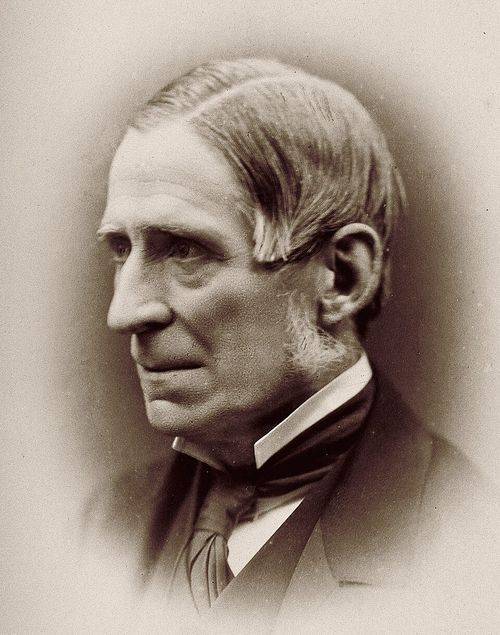
Sir James Paget Also involved
11 January 1814 – 30 December 1899
Surgeon credited with the remark that, having been acquitted, she should tell science how she did it.
Where it happened
- 85 Claverton Street, Pimlico. Lodgings where Edwin Bartlett died. Approximate position of the street.
- Old Bailey (Central Criminal Court). Where Adelaide Bartlett was tried from 12 to 17 April 1886.
Outcome
Acquitted Acquitted
Adelaide Bartlett was tried for murder at the Central Criminal Court from 12 to 17 April 1886. The charge against George Dyson was withdrawn at the outset and he was formally acquitted. The jury found Adelaide not guilty, stating that although grave suspicion attached to her, there was not enough evidence to show how or by whom the chloroform had been given.
What the record settles, and what it doesn't
Established
- Edwin Bartlett died at 85 Claverton Street, Pimlico, in the early hours of 1 January 1886.
- A fatal quantity of liquid chloroform was found in his stomach.
- George Dyson had bought chloroform in several small bottles and given it to Adelaide in the days before the death.
- Edwin had recently made a will leaving his estate to Adelaide without a bar on remarriage.
- The charge against Dyson was dropped at the start of the trial, and he gave evidence for the Crown.
- The jury acquitted Adelaide on 17 April 1886.
Disputed
- How the chloroform reached Edwin's stomach without burning his throat: theories include suicide, a mistaken dose taken by Edwin himself, or Adelaide first making him drowsy with chloroform vapour and then giving him the liquid to drink, which some doctors think possible.
- Whether Adelaide's account of a platonic marriage and of Edwin's encouragement of Dyson was true; it came almost entirely from her and Dyson.
- Her parentage: she was said to be the daughter of an Englishman of rank, possibly connected to the royal household, but records suggest a less grand father.
- What became of Adelaide and Dyson after the trial; claims include emigration to America and new identities, none of them proved.
In the newspapers of the day
Clippings from American newspapers digitised by the Library of Congress. The excerpt under each is the library's machine-read text, uncorrected; read the original page for the full report.
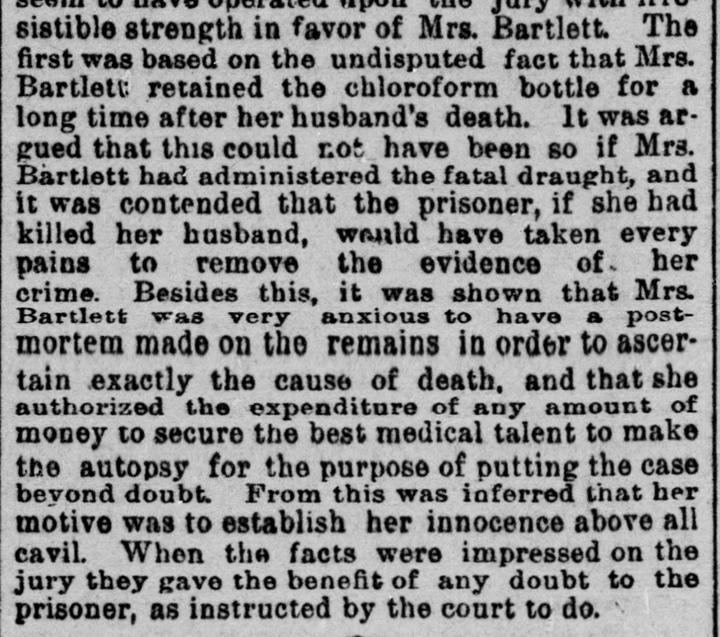
The indianapolis journal (Indianapolis [Ind.])
, page 2 · The Pimlico poisoning trial
Bartlett: retained the chloroform bottle for a long time after her husband’s death. It was ar- gued that this could not have been so if Mrs. Bartlett had administered the fatal draught, and it was contended tbat the prisoner, if she had killed her husband, would have taken every pains to remove the evidence of. her crime. Besides this, it was shown that Mrs. Bartlett ’rag very anxious to have a post- mortem made on the remains in order to ascer- tain exactly the cause of death, and that she authorized the expenditure of any amount of money to secure the best medical talent to make the …
New-york tribune (New York [N.Y.])
, page 1 · The Pimlico poisoning trial
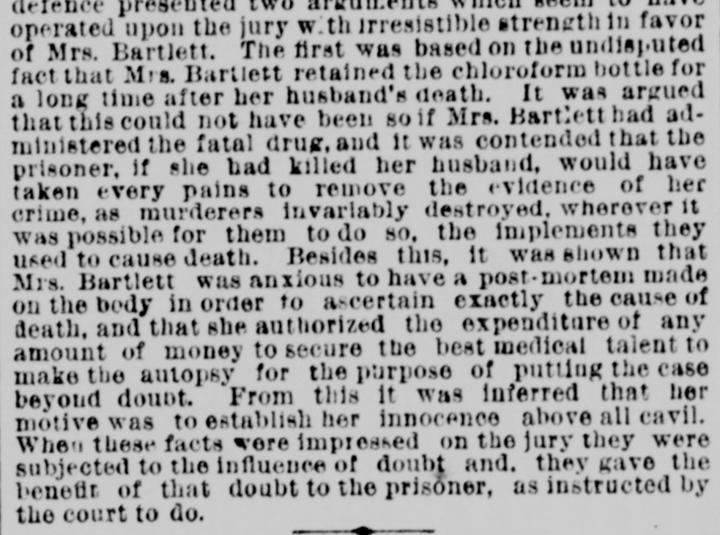
fact that Mrs. Bartlett retained the chloroform bottle for a long time after her husband's death, It was argued that this could not have been soif Mrs. Bartlett had ad- ministered the fatal drug, and it was contended that the prisoner, if she had killed her husband, would have taken every pains to remove the evidence of her erime, as murderers invariably destroyed, wherever it was possible for them to do so, the Implements they used to cause death. Besides this, it was shown that Mis. Bartlett was anxious to have a post-mortem made oun the body in order to ascertain exactly the cause of death, and that she authorized the expenditare of any amount of money to secure the best medical talent to make the …
Daily kennebec journal (Augusta, Me.) 1870-1975 [Microfilm Reel]
, page 1 · The Pimlico poisoning trial
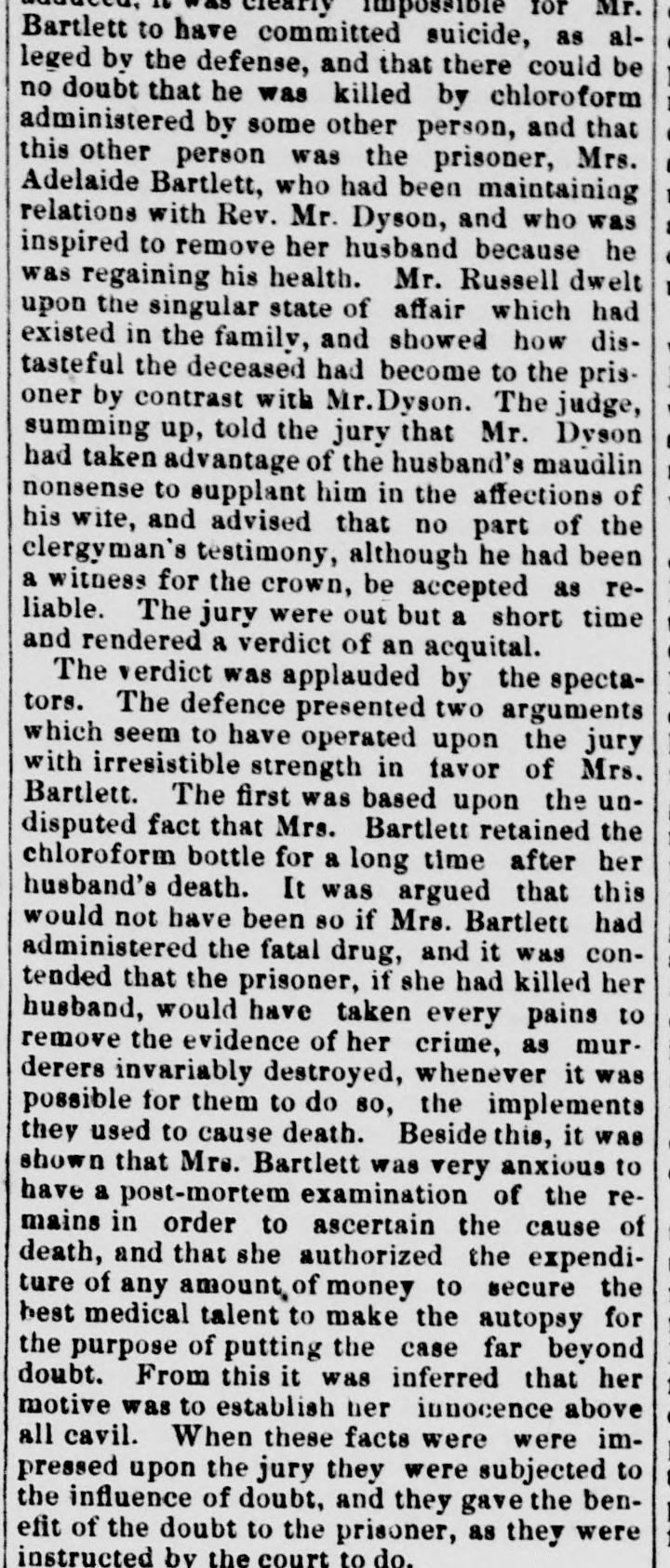
no doubt that he was killed by chloroform ! administered by some other person, and that | this other person was the prisoner, Mrs. Adelaide Bartlett, who had been maintaining relations with Rev. Mr Dyson, and who was inspired to remove her husband because he was regaining his health. Mr. Russell dwelt upon tile singular state of affair which had existed in the family, and showed how dis- tasteful the deceased had become to the pris- oner by contrast with Mr.Dvson. The judge, summing up, told the jury that Mr. Dvson had taken advantage of the husband’s maudlin nonsense to supplant him in the affections of his wife, and advised that no part of the clergyman s testimony, although he had been a wituess for the crown, be accepted as re- liable. The jury were out but a short time and rendered a verdict of an acquital. The verdict was applauded by the specta- tors. The defence presented tw-o arguments which seem to have operated upon the jury with irresistible strength in lavor of Mrs. Bartlett. The first was based upon the un- disputed fact that Mrs. Bartlett retained the chloroform bottle for a long time after her husband’s death. It was argued that this would not have been so if Mrs. Bartlett had administered the fatal drug, and it was con- tended that the prisoner, if she had killed her husband, would have taken every pains to remove the evidence of her crime, as mur- derers invariably destroyed, whenever it was possible tor them to do so, the implements they used to cause death. Beside tilts, it wss shown that Mrs. Bartlett was very anxious to have a post-mortem examination of the re- mains in order to ascertain the cause of death, and that she authorized the expendi- ture of any amount,of money to secure the best medical talent to make the …
Source: Chronicling America: Historic American Newspapers, Library of Congress. Public domain.
Pictures


Afterwards
Adelaide Bartlett left the courtroom and disappeared from the record almost entirely. Stories place her in America, in Connecticut or elsewhere, but nothing has been confirmed, and her date of death is unknown. Dyson also vanished from Methodist circles; one line of research suggests he emigrated to the United States under another name.
The trial was seen as a triumph for Edward Clarke and is still studied as a model defence. Sir James Paget's quip that she should tell science how she did it has become the case's epitaph. The story has been retold in novels, radio plays and a 1980s television serial.
Questions readers ask
Was Adelaide Bartlett guilty?
She was acquitted in April 1886. The jury said it had grave suspicions but could not tell how or by whom the chloroform was given. Whether she killed her husband remains unknown.
How did Edwin Bartlett die?
He died of chloroform poisoning; a large amount of liquid chloroform was found in his stomach. The puzzle is that his mouth and throat showed none of the burning that drinking it normally causes.
Who was George Dyson in the Bartlett case?
A young Wesleyan minister who became Adelaide's tutor and close friend and bought the chloroform for her. He was charged as an accessory, but the charge was dropped and he gave evidence for the prosecution.
What happened to Adelaide Bartlett after the trial?
No one knows for certain. She vanished from public view after her acquittal, and reports that she went to America have never been confirmed.
Sources and further reading
- Pimlico Mystery (Wikipedia)
- The trial of Adelaide Bartlett for murder, ed. Edward Beal (1886), Internet Archive
- Mr Justice Wills's charge (The Spectator, 24 April 1886)
- Wikidata Q14654867 (life dates checked here)
Written by Sinister Crimes from the sources above; see our editorial standards. Last checked 1 November 2026.