

The case
On 26 October 1921 Oswald Martin, the younger of the two solicitors in Hay-on-Wye, went to tea with the elder, Major Herbert Rowse Armstrong, at his house in Cusop. The two men were on opposite sides of a property sale that Armstrong had been stalling for months. Armstrong passed his guest a buttered scone with the words 'Excuse fingers'. That evening Martin was violently sick, and he stayed ill for days.
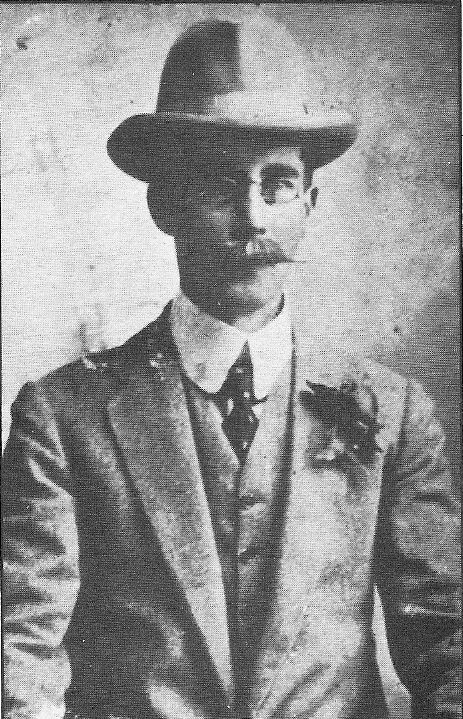
Armstrong was then 52, a small, dapper man who had come to Hay in 1906, married Katharine Mary Friend in 1907, and built up a respectable practice as well as the post of clerk to the local magistrates. He had served as an officer in the Royal Engineers during the war and kept his rank as a title. The marriage was widely described as unhappy, with Katharine strict and domineering at home. In August 1920 she suffered a breakdown and was admitted to Barnwood House, an asylum near Gloucester, with symptoms including vomiting and loss of feeling in her hands and feet. She improved there, came home on 22 January 1921, quickly grew worse, and died on 22 February 1921. The family doctor, Thomas Hincks, recorded heart disease, nephritis and gastritis.
Martin's illness set three men talking. His father-in-law, John Davies, was the Hay chemist and had sold Armstrong arsenic, which the solicitor said was for dandelions. Dr Hincks noticed that Martin's symptoms resembled Katharine Armstrong's. And it emerged that a box of chocolates sent anonymously to the Martins weeks earlier had made a relative ill; some of those left had small holes in their bases. Arsenic was found in the chocolates and in a sample of Martin's urine, and the Home Office called in Scotland Yard.
The police moved quietly while Armstrong pressed Martin with further invitations to tea. On 31 December 1921 they arrested Armstrong at his office in Broad Street, Hay, and charged him with the attempted murder of Martin. A small packet of arsenic was found in his pocket, and more in his house. Katharine Armstrong's body was exhumed from Cusop churchyard in January, in snow and by lamplight, and the pathologist Bernard Spilsbury found it unusually well preserved and full of arsenic. In his view she had taken repeated large doses in her last days, the final one within about a day of death. On 19 January 1922 Armstrong was charged with her murder.
His trial opened at the Shirehall in Hereford on 3 April 1922 before Mr Justice Darling. Sir Henry Curtis-Bennett defended. Armstrong said he made up the arsenic into small paper packets to kill dandelions one at a time, but could not explain why he still had one in his pocket in midwinter, and the judge pressed him closely on it. The defence suggested suicide, but witnesses said that Katharine was almost paralysed at the end and could not have fetched poison herself. The Crown was allowed to introduce the Martin poisoning as evidence of system. On 13 April the jury found him guilty.
The Court of Criminal Appeal dismissed his appeal on 16 May. Herbert Rowse Armstrong was hanged at Gloucester prison on 31 May 1922, still protesting his innocence. He remains the only solicitor in England and Wales to have been executed for murder.
The victims
Katharine Mary Armstrong, born Friend, came from a Devon family and married Herbert Armstrong in 1907; they had three children. She was 48 when she died at their home, Mayfield, in Cusop. Many accounts describe her as a severe woman who restricted her husband's drinking and smoking and corrected him in public, and few people attended her funeral. Others note that she wrote affectionately to her family when apart from them and longed to come home from the asylum. Her final months were spent in pain and confusion, and her children lost both parents within fifteen months.
Oswald Martin, a young solicitor married to Constance Davies, the chemist's daughter, survived the poisoning. He was the only other solicitor in Hay and had been pressing Armstrong to complete the Velinewydd sale. Accounts say his health and nerves never fully recovered; he and his wife left Hay in 1924, and he died not long afterwards.
Timeline
Herbert Rowse Armstrong is born in Plymouth.
He takes up a solicitor's practice in Hay-on-Wye.
He marries Katharine Mary Friend.
Katharine Armstrong is admitted to Barnwood House asylum near Gloucester.
She is discharged and returns home to Mayfield, Cusop.
Katharine Armstrong dies at home, aged 48.
An anonymous box of chocolates sent to the Martins makes a relative ill.
Oswald Martin falls ill after tea at Armstrong's house.
Armstrong is arrested at his Hay office for the attempted murder of Martin.
Katharine Armstrong's body is exhumed from Cusop churchyard and examined by Spilsbury.
Armstrong is charged with his wife's murder.
His trial opens at the Shirehall, Hereford.
The jury finds him guilty and he is sentenced to death.
The Court of Criminal Appeal dismisses his appeal.
Armstrong is hanged at Gloucester prison.
People in the case
-
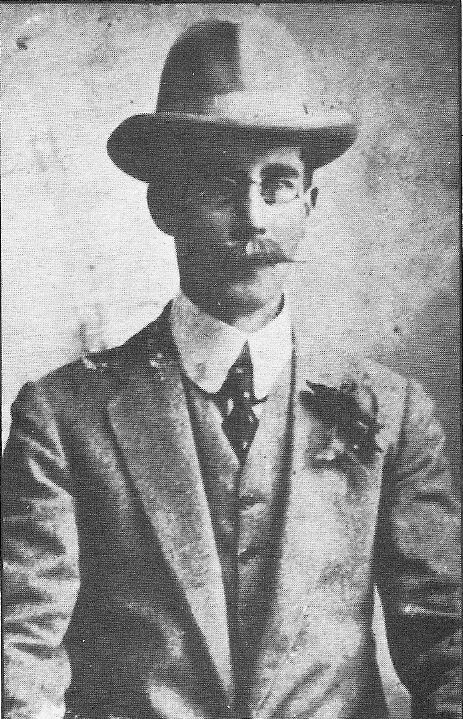
Herbert Rowse Armstrong Perpetrator
13 May 1869 – 31 May 1922
Hay-on-Wye solicitor and clerk to the justices, known as Major Armstrong; convicted of poisoning his wife.
-
Katharine Mary Armstrong Victim
? – 22 February 1921
His wife, born Katharine Mary Friend; died aged 48 at Mayfield, Cusop.
-
Oswald Martin Victim
Rival Hay solicitor who fell ill after tea with Armstrong in October 1921 and survived; Armstrong was charged with his attempted murder.
-
John Davies Witness
Hay chemist, Oswald Martin's father-in-law, who had sold Armstrong arsenic.
-
Thomas Hincks Witness
Hay doctor who treated both Katharine Armstrong and Oswald Martin and alerted the Home Office.
-
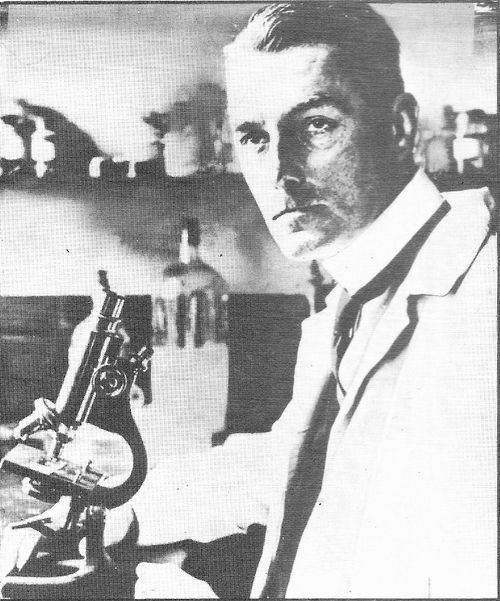
Bernard Spilsbury Investigator
16 May 1877 – 17 December 1947
Home Office pathologist who examined the exhumed body.
-
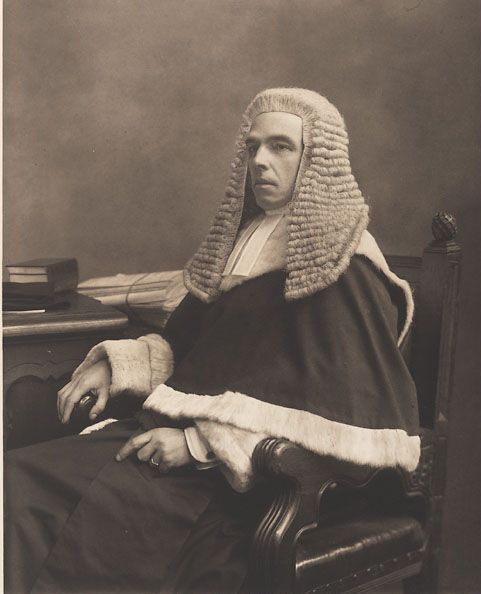
Charles Darling Judge
6 December 1849 – 29 May 1936
Trial judge, who questioned Armstrong himself about the packet of arsenic.
-
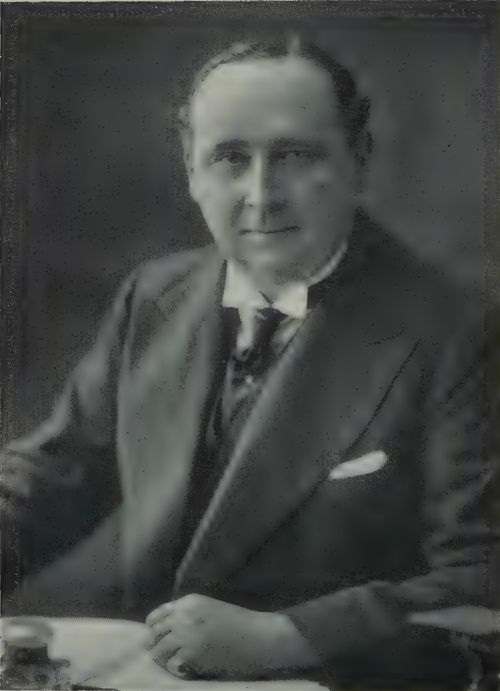
Sir Henry Curtis-Bennett Defence
31 July 1879 – 2 November 1936
Leading defence counsel.
Where it happened
- Cusop, Herefordshire. Village where the Armstrongs lived at Mayfield and where Katharine Armstrong died and was buried.
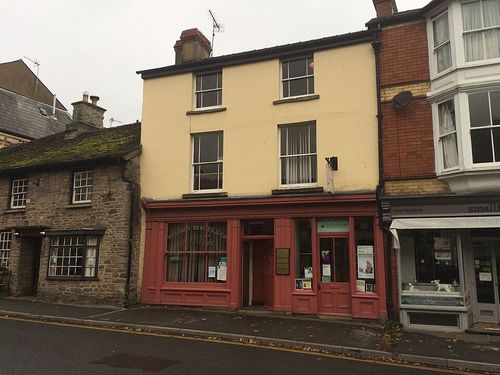
- Hay-on-Wye. Market town where both solicitors practised; Armstrong was arrested at his office in Broad Street.
- Shirehall, Hereford. Where the trial was held in April 1922.
- Gloucester prison. Where Armstrong was hanged on 31 May 1922.
Outcome
Executed Executed
Armstrong was tried at the Hereford Assizes from 3 to 13 April 1922 for the murder of his wife, with evidence of the attempted poisoning of Oswald Martin admitted. The jury convicted him and Mr Justice Darling sentenced him to death. The Court of Criminal Appeal dismissed his appeal on 16 May 1922, and he was hanged at Gloucester on 31 May 1922.
What the record settles, and what it doesn't
Established
- Katharine Armstrong died at home in Cusop on 22 February 1921, a month after leaving Barnwood House.
- Oswald Martin was taken ill after tea at Armstrong's house on 26 October 1921.
- Armstrong had bought arsenic from the Hay chemist, saying it was for weeds.
- Arsenic was found in chocolates sent to the Martins, in Martin's urine, in a packet in Armstrong's pocket on his arrest, and in his wife's exhumed body.
- A jury convicted Armstrong of his wife's murder on 13 April 1922.
- He was hanged at Gloucester on 31 May 1922 and never confessed.
Disputed
- Whether Armstrong was guilty: most writers accept the verdict, but some, including a later solicitor who practised from Armstrong's old office, have argued he was framed or that the evidence was too circumstantial.
- Whether Katharine Armstrong could have taken arsenic herself, as the defence suggested; the medical evidence said she was too weak.
- Whether the evidence about Oswald Martin should have been admitted at a trial for a different alleged crime; the appeal court allowed it.
- Armstrong's motive: suggestions include freedom to remarry, control of his wife's estate under a will he produced after her death, and his financial troubles over the Velinewydd sale.
Pictures


Afterwards
The case confirmed Bernard Spilsbury's reputation as the dominant Crown pathologist, and it shadowed the acquittal a year earlier of another Welsh-border solicitor, Harold Greenwood, accused of poisoning his wife. It also inspired fiction: Dorothy L. Sayers drew on it, and Francis Iles's Malice Aforethought (1931) is loosely modelled on it. A 1994 television drama, Dandelion Dead, told the story from Hay.
Armstrong's office building in Broad Street is still used by solicitors. The case continues to be argued over, and a 2019 television re-examination concluded that the trial judge's summing up had been flawed, although the evidence against Armstrong was strong.
Questions readers ask
What did Herbert Armstrong say when he handed over the scone?
According to Oswald Martin, Armstrong handed him a buttered scone at tea on 26 October 1921 with the words 'Excuse fingers'. Martin fell violently ill that evening.
Why did Armstrong say he had arsenic?
He claimed he used it to kill dandelions, making up small packets for individual weeds. He could not explain why he was carrying one in his pocket in December when he was arrested.
Was Herbert Rowse Armstrong the only solicitor hanged in Britain?
He is generally described as the only solicitor in England and Wales to have been hanged for murder. He was executed at Gloucester on 31 May 1922.
Was Major Armstrong guilty?
A jury convicted him of murdering his wife, and his appeal failed. Most historians accept the verdict, though some writers argue the evidence was circumstantial and that he may have been framed.
Sources and further reading
- Herbert Rowse Armstrong (Wikipedia)
- The Hay Poisoner: Was Herbert Armstrong wrongly hanged? (BBC News)
- A century on from the 'dandelion' poisoning case (The Ross Gazette)
- Wikidata Q5735465 (life dates checked here)
Written by Sinister Crimes from the sources above; see our editorial standards. Last checked 1 November 2026.