
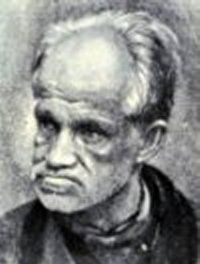

The case
In the autumn of 1876 Charles Peace sat in the public gallery at the Manchester Assizes and watched two brothers tried for a murder he had committed. John and William Habron, young farm labourers, were accused of shooting Constable Nicholas Cock in Whalley Range on the night of 1 August. Peace had been the burglar Cock tried to stop in a garden there; he had fired a warning shot, then a second that killed the policeman. John Habron was acquitted. William was convicted and sentenced to death. Peace left Manchester for Sheffield the same day.
He was then 44, a small, agile man with a limp from a steelworks accident in his teens and a long criminal record. Born in Darnall, Sheffield, in 1832, he had served several prison terms for burglary since the 1850s and in between made a modest living as a picture framer. Around 1875 he settled in Darnall with his wife, Hannah, and became friendly with neighbours named Dyson: Arthur, a tall civil engineer who had worked in America, and his wife Katherine.
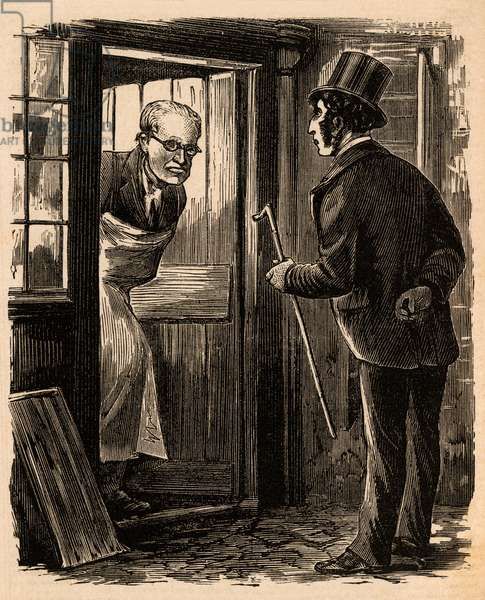
How far that friendship went with Katherine Dyson was argued over at Peace's trial and has never been settled. By mid-1876 her husband wanted Peace kept away and threw a card over his garden wall asking him not to interfere with the family. Peace responded with threats, and Dyson took out a summons. The Dysons moved to Banner Cross, on the other side of Sheffield, on 29 November 1876, and found Peace waiting in the street. That evening, as Katherine came out of the outside privy behind the house, he confronted her with a revolver. When Arthur Dyson came out after him, Peace fired twice and the second shot struck Dyson in the head. He died about two hours later.
With a £100 reward on his head, Peace disappeared. He darkened his complexion, reputedly with walnut juice, and changed his appearance, picked up a mistress, Susan Thompson, in Nottingham and made his way to London. By 1878 he was living as "Mr Thompson" in a comfortable house in Peckham, driving a pony and trap, filling his drawing room with violins and banjos, attending the parish church on Sunday evenings and entertaining neighbours, while his wife and stepson lived in the basement. At night he burgled the houses of Blackheath and other south London suburbs, carrying his tools in a violin case.
In the small hours of 10 October 1878 a constable named Edward Robinson saw a light moving in a house in St John's Park, Blackheath. As officers closed in, a man ran into the garden and fired at Robinson, wounding him in the arm, before he was overpowered. The prisoner would not give his name. Tried at the Old Bailey on 19 November as John Ward, he was convicted of attempted murder and sentenced to penal servitude for life. Only then did a letter he had written, and information passed to police by Susan Thompson, reveal that "John Ward" was Charles Peace of Sheffield.
He was taken north to face a charge of murdering Arthur Dyson. On 22 January 1879, on the train to Sheffield for a court hearing, he flung himself through the carriage window near Worksop and was picked up from the line with a head wound. He recovered enough to be committed for trial at the Leeds Assizes, which heard the case on 4 February before Mr Justice Lopes. Katherine Dyson was the only witness to the shooting, and she denied that her husband had struggled with Peace or that she had been close to him. The jury convicted after about ten minutes.
The victims
Nicholas Cock was a 23-year-old constable in Manchester's county police, keen and sometimes over-eager by contemporary accounts. Weeks before his death he had brought summonses against the Habron brothers, which made them the obvious suspects when he was shot. Arthur Dyson was a civil engineer who had spent years in the United States, where he married Katherine, before returning to England around 1874 to work on the North Eastern Railway. Contemporaries remembered him as very tall and thin and quietly gentlemanly. He was shot outside his new house on his first day there.
William Habron should also be counted among those Peace harmed. Convicted of a murder he did not commit, he was saved from the gallows only by a reprieve and spent more than two years in prison before Peace's confession cleared him.
Timeline
Charles Peace is born in Darnall, Sheffield.
Shortly before midnight Peace shoots PC Nicholas Cock at Whalley Range, Manchester; Cock dies the next day.
The Habron brothers' trial begins; William Habron is convicted and sentenced to death, later commuted.
Peace shoots Arthur Dyson behind the Dysons' new house at Banner Cross, Sheffield.
Peace is caught burgling a house in St John's Park, Blackheath, after shooting PC Edward Robinson in the arm.
As "John Ward" he is convicted at the Old Bailey of attempted murder and sentenced to life.
Being taken by train to Sheffield, he leaps from the carriage window near Worksop.
He is tried at the Leeds Assizes for Dyson's murder and convicted.
Peace is hanged at Armley Gaol, Leeds, by William Marwood, having confessed to the Cock killing.
William Habron receives a free pardon and compensation.
People in the case
-
Charles Peace Perpetrator
14 May 1832 – 25 February 1879
Sheffield burglar; convicted of murdering Arthur Dyson and hanged at Armley Gaol, Leeds. Confessed before his death to killing PC Cock.
-
Arthur Dyson Victim
? – 29 November 1876
Civil engineer, shot at Banner Cross, Sheffield.
-
Nicholas Cock Victim
? – 2 August 1876
Police constable, aged 23 (born c. 1853), shot at Whalley Range, Manchester, on the night of 1 August 1876.
-
Katherine Dyson Witness
Arthur Dyson's wife and the only witness to his shooting.
-
William Habron Accused
Wrongly convicted of PC Cock's murder in 1876; reprieved and later pardoned after Peace confessed.
-
Susan Thompson Also involved
Peace's mistress in Nottingham and London; gave the police information that helped identify him.
-
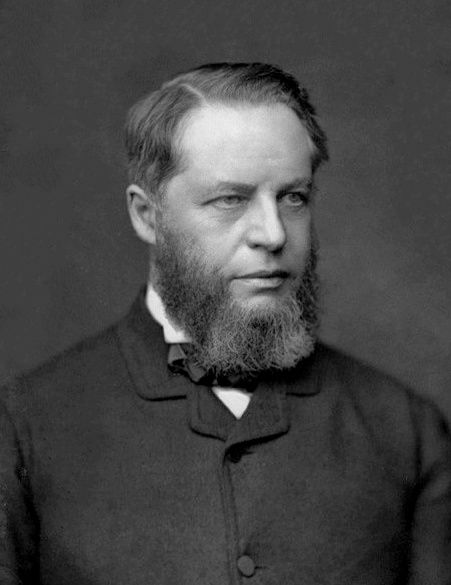
Henry Lopes Judge
3 October 1828 – 25 December 1899
Judge at Peace's murder trial at Leeds.
-
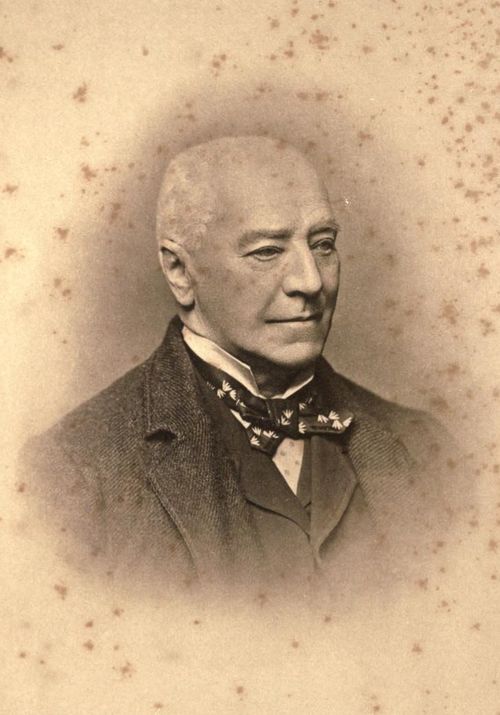
Henry Hawkins Judge
14 September 1817 – 6 October 1907
Sentenced "John Ward" to life for the attempted murder of PC Robinson.
-
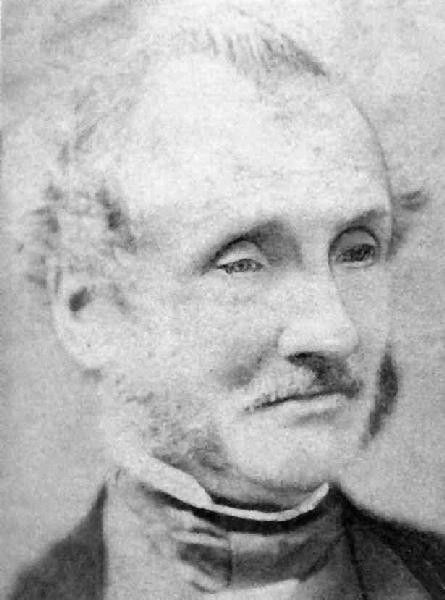
William Marwood Also involved
1820 – 4 September 1883
Executioner who hanged Peace.
Where it happened
- Banner Cross, Sheffield. Where Arthur Dyson was shot behind his new home.
- Whalley Range, Manchester. Where PC Nicholas Cock was shot.
- St John's Park, Blackheath. Where Peace was caught in the act of burglary.
- HM Prison Leeds (Armley Gaol). Where Peace was hanged and buried.
Outcome
Executed Convicted and executed
In November 1878, under the name John Ward, Peace was sentenced at the Old Bailey to penal servitude for life for the attempted murder of PC Robinson. On 4 February 1879 he was convicted at the Leeds Assizes of murdering Arthur Dyson and sentenced to death. He was hanged at Armley Gaol on 25 February 1879. Before his execution he confessed to shooting PC Cock, and William Habron was pardoned.
What the record settles, and what it doesn't
Established
- Charles Peace shot PC Nicholas Cock in Whalley Range, Manchester, on 1 August 1876, as he later confessed.
- William Habron was wrongly convicted of Cock's murder and was later pardoned.
- Peace shot Arthur Dyson dead at Banner Cross, Sheffield, on 29 November 1876.
- He lived under false names in London and was caught burgling a house in Blackheath on 10 October 1878, shooting a constable in the arm.
- He was convicted of Dyson's murder at the Leeds Assizes on 4 February 1879 and hanged at Armley Gaol on 25 February 1879.
Disputed
- The relationship between Peace and Katherine Dyson: Peace claimed she had been his mistress and his defence produced notes said to be in her hand, while she denied both and called him a persecutor.
- Whether Dyson's death was premeditated: the defence argued that Dyson attacked first and the gun went off in a struggle, while Mrs Dyson's evidence and the judge's summing-up rejected any struggle.
- Whether Peace really meant to escape or die when he leapt from the train: he claimed he hoped to be killed, but accounts of the incident differ, one even saying he was held back before he cleared the window.
- Many popular stories about him, such as his skill as a violinist and his ability to change his face at will, came from cheap serials published after his death and are hard to separate from the record.
In the newspapers of the day
Clippings from American newspapers digitised by the Library of Congress. The excerpt under each is the library's machine-read text, uncorrected; read the original page for the full report.
The new york herald (New York [N.Y.])
, page 7 · The train leap and the Leeds trial
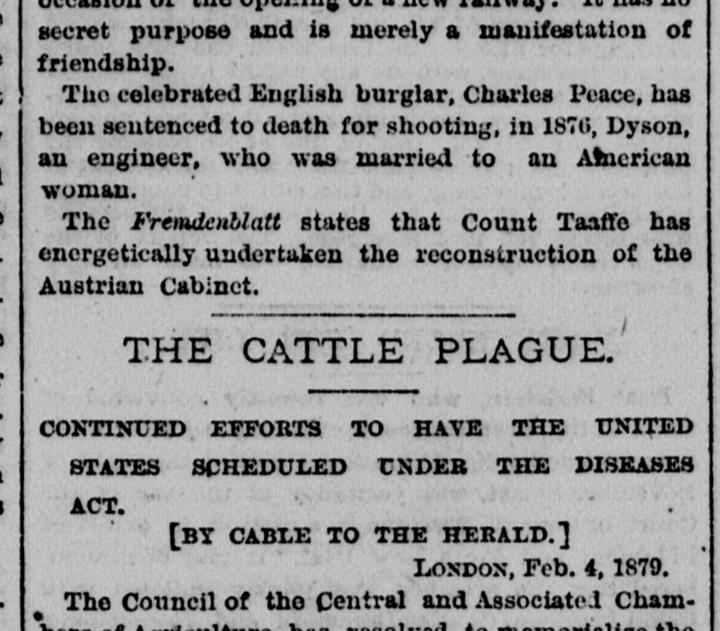
Tho celebrated English burglar, Charles Peace, has been sentenced to death for shooting, in 1870, Dyson, an engineer, who was married to an Aincrican woman. The Frtmdcnblatt states that Count Taaffo has energetically undertaken the reconstruction of the Austrian Cabinet. THE CATTLE PLAGUE. CONTINUED EFFORTS TO HAVE THE UNITED STATES SCHEDULED UNDER THE DISEASES ACT. [BY CABLE TO THE HERALD.] London, Feb. 4,1879. The …
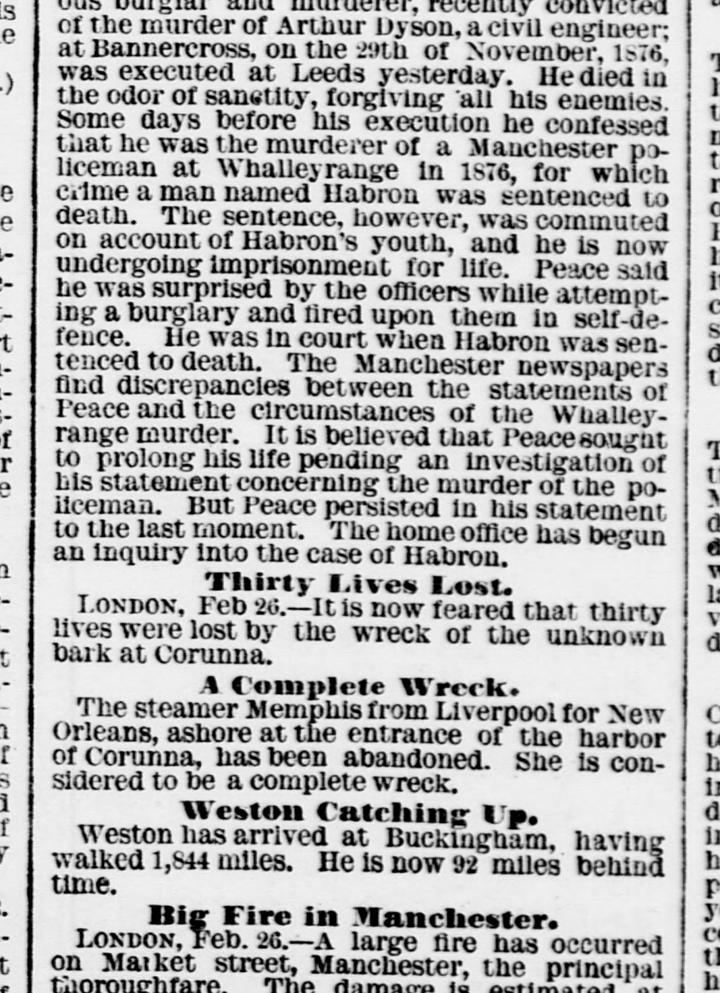
was executed at Leeds yesterday. He died to the odor of sanwtlty, forgiving all his enemies. Some days before his execution he confessed that he was the murderer of a Manchester policeman at Whalley range In 1S76, for which crime a man named Habron was sentenced to death. The sentence, however, was commuted on account of Habron's youth, and he Is now undergoing imprisonment for lite. Peace said he was surprised by …
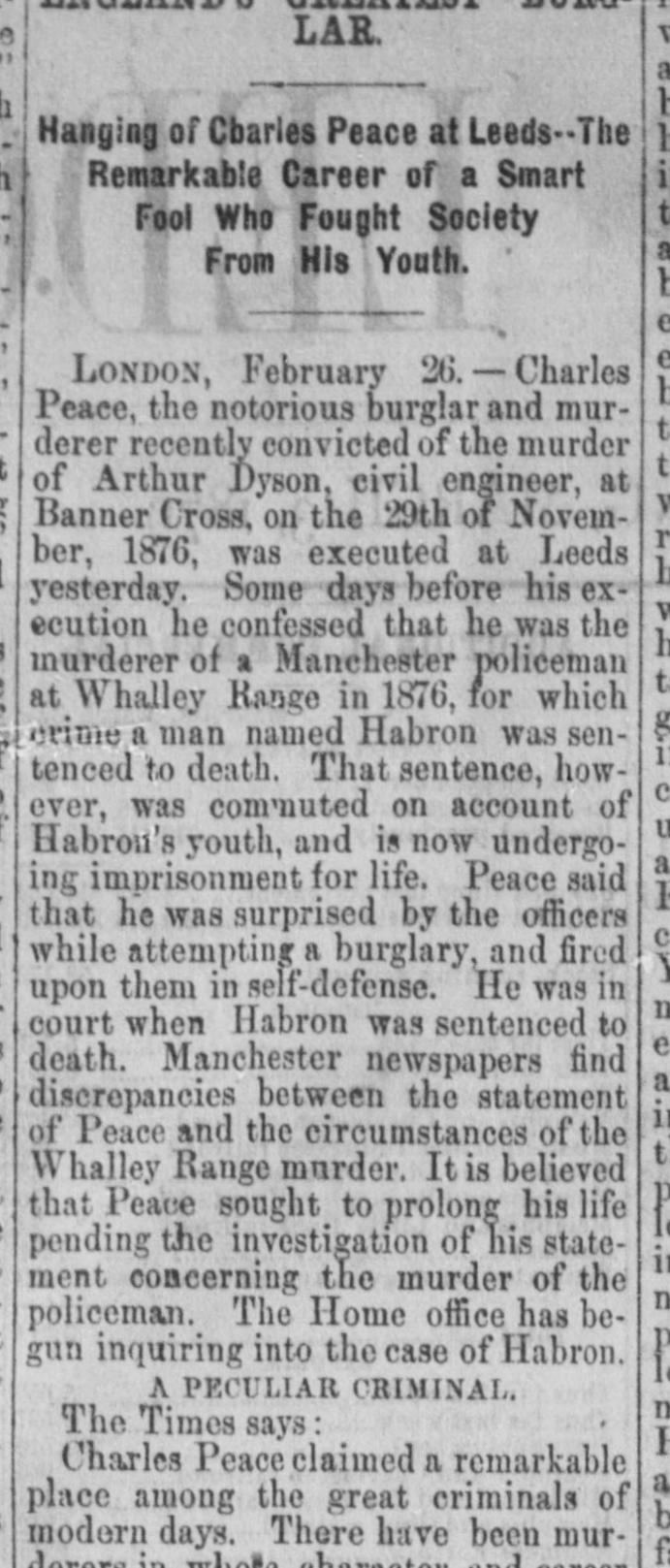
Hanging of Cbarles Peace at Leeds-The Remarkable Career of a Smart Fool Whs Fought Society From His Youth. London, February 2i. Charles Peace, the notorious burglar and mur- derer recently convicted of the murder of Arthur Dyson, civil engineer, at Manner Cross, on the 29th of Novem- ber, 1876. was executed at Leeds yesterday. Some days before his ex ecution he confessed that he was the murderer of a Manchester policeman at Whalley Kan go in 1S7G, lor which (enrneanian named Jtabron was sen tenced to death. 1 hat sentenco, how ever, was commuted on account of llabrou 8 youth, and is now undergo- ing imprisonment for life. Peace said that he was surprised by the officers while attempting a burglary, and fired upon them in self-defense, lie was in court when Ilabron was sentenced to death. Manchester newspapers find discrepancies between tho statement of Peace and the circumstances of the H halley Range murder. It is believed that Peace sought to prolong his life pending the investigation of nis state- ment concerning the murder of the policeman. Tho Home office has be gun inquiring into the case of Ilabron. A PECULIAR CRIMINAL. Tho Times says : Charles Peace claimed a remarkable place among tho great criminals of modorn days. 1 hore have been mur derers in whoSo character and career more romantic elements were to bo found, but there has seldom been one so strictly typical of that criminal class which tends more and more to organize its war against societ; and to clevate lawbreaking to the rank of a profession. A cola and cynical de- pravity and an undisguised ' subser- vience to tho coarso and vulgar forms of pleasure wero conjoined in this man with extraordinary courage, with self-reliance and self-possession, with cunninxanddaring.with reticence, and, abovo all. with iron and resist less forccot will. Ihe murder for which ho was hauged was only an episode in a long career of guilt, for most part successful and unpunished. Indeed, it is highly probably that if Peace had been careful to avoid getting into the meshes of the law ho would never have been brought to justice for the mur der of his victim. But long before the murder he had been living the lic of a professional burglar, and when ho had thrown the police off his scent ho re- turned immediately to that pursuit. During the early part of the autumn a number of burglariers, which for n tl'iiiln Vtninrl mitiivv ivn(rt min!rr.il "iui-j UHUIV.M ni'uu J i IH,IV V'UUl 111 LlltU in the neighborhood of Blackhoath. lho criminal was at last captured in the act, after attempting tho life of the policeman who arrested him. He was tried under the uamo of Ward at the Old Bailey, and sentenced to penal servitude for life. Rut the jKdice got a clew to the fact that Ward was really Peace, who had fled from Sheffield in I87(i. and was suspected of the murder of Mr. Dyson. The facts of the latter case were then recalled. Mr. Dyson and his wife had become acquainted with Peace, at that time ostensibly carrying on tho business of a picture frame maker at Darnall, near Sheffield, some three or four years ago, and it is admitted that an intimacy grew up between Peace and Mrs. Dyson, of which Mr. Dyson dis approved. Whether Peace roughly forced his attentions on Mrs. Dyson as she has sworn, or whether she gave him some encouragement, does not seem material. At any rate, when the Dysons; moved to Banner Cross, Peace followed aud persecuted them, using mcnacing and insulting language, to which disinterested witnesses deposed. On the night of the murder, as Mrs. Dyson avers, he entered their garden, and. being confronted by her husband, a tall and muscular man, who attemp- ted to seize him, he drew his revolver and fired two shots, one of them in- flicting a fatal …
Gloucester county democrat (Woodbury, N.J.)
, page 4 · The execution
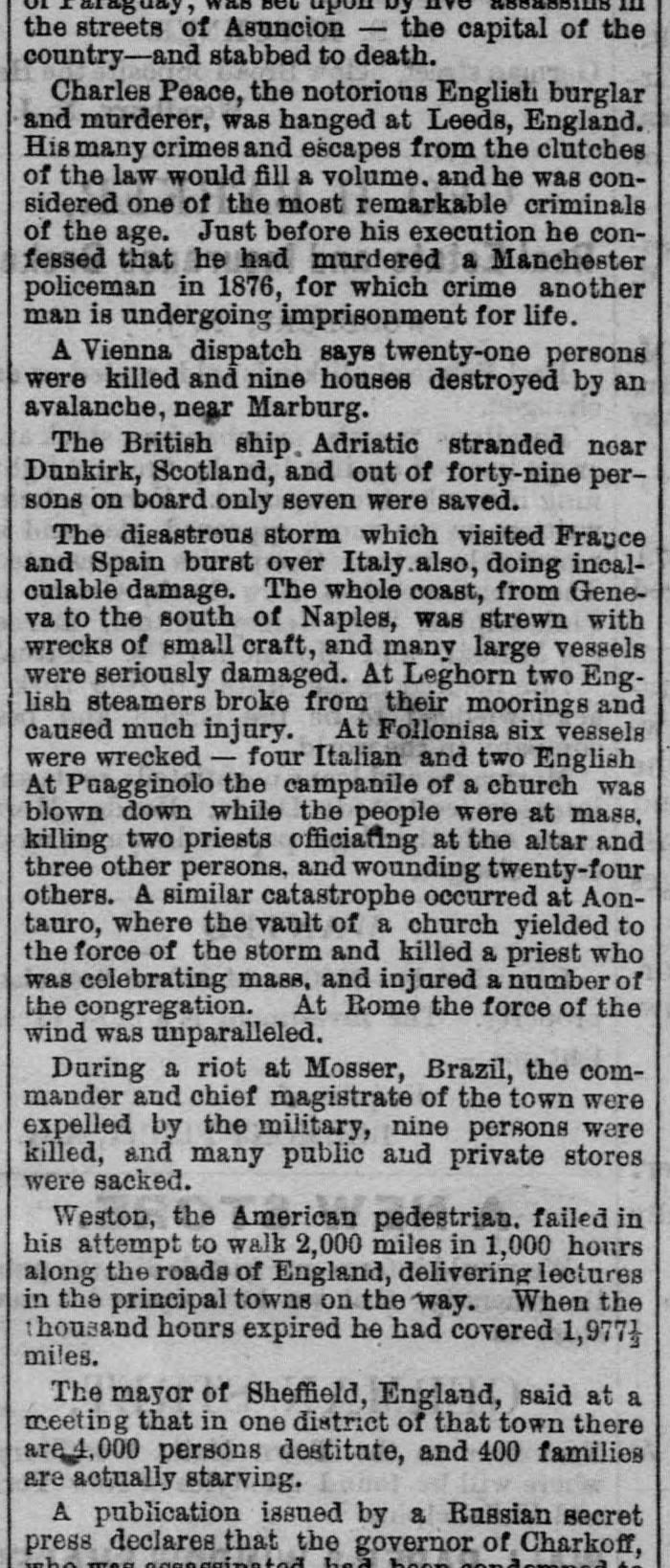
Charles Peace, the notorions English burglar and murderer, was hanged at Leeds, England. His many crimes and escapes from the clutches of the law would fill a volume, and he was con- sidered one of the most remarkable criminals of the age. Jnst before his execution he con- fessed that he had murdered a Manchester policeman in 1876, for which crime another man is undergoing imprisonment for life. A Vienna dispatch says twenty-one persons were killed and nine houses destroyed by an avalanche, nepr Marburg. The British ship Adriatic stranded noar Dunkirk, Scotland, and ont of forty-nine per- sons on board only seven were saved. The disastrous storm which visited France and Spain burst over Italy.also, doing incal- culable damage. The whole coast, from Gene- va to the south of Naples, was Btrewn with wrecks of small craft, and many large vessels were seriously damaged. At Leghorn two Eng- lish steamers broke from their moorings and oaused mnch injury. At Follonisa six vessels were wrecked — four Italian and two English At Puagginolo the campanile of a church was blown down while the people were at mass, killing two priests officiating at the altar and three other persona, and woandiBg twenty-four others. A similar catastrophe occurred at Aon- tanro, whero the vault of a ohuroh yielded to the force of the storm and killed a priest who was colebrating mass, and injured a number of the congregation. At Rome the force of the wind was unparalleled. Daring a riot at Mosser, Brazil, the com- mander and chief magistrate of the town were Gipelled by the military, nine persons were killed, and many public and private stores were sacked. Weston, the American pedestrian, failed in his attempt to walk 2,000 miles in 1,000 hours along the roads of England, delivering lectures in the principal towns on the way. When the thousand hours expired he had covered I,977J miles. The mayor of Sheffield, England, said at a meeting that in one district of that town there arqj.000 persons destitute, and 400 families are aotually starving. A publication issued by a Russian Becret press declares that the governor of Charkoff, who was assassinated, had been condemned to death by the Russian Socialist party for inhu- man treatment of political prisoners. Tho act of assassination was consequently executed by one of that party. The publication charges tho governor with beating students nearly to death, and concluded w.th the declaration of “ death for death, terror for terror. This is our answer to all …
Source: Chronicling America: Historic American Newspapers, Library of Congress. Public domain.
Pictures


Afterwards
Peace's confession to the Cock murder freed William Habron, who received a free pardon and £800 in compensation. The case was later cited as a warning about convictions resting on motive and identification evidence. Susan Thompson applied for the reward offered for Peace's capture, but it was refused on the ground that her information had not led directly to his conviction.
Within weeks of his death Peace had become a figure of popular entertainment, the hero-villain of a long-running penny serial, early silent films and, later, comic strips. A waxwork of him went into the Chamber of Horrors at Madame Tussauds, and he turns up by name in stories by Arthur Conan Doyle and P. G. Wodehouse. Behind the legend of the gentleman burglar, the record shows a violent man who killed twice and let another man go to the condemned cell in his place.
Questions readers ask
Who did Charles Peace kill?
Police Constable Nicholas Cock in Manchester in August 1876, and Arthur Dyson, his former neighbour, in Sheffield in November 1876. He was convicted of Dyson's murder and confessed to Cock's before his execution.
How was Charles Peace caught?
He was caught by police during a burglary in Blackheath, south London, in October 1878. He gave a false name, and was only identified as the wanted Sheffield murderer after his own letter and his mistress's information reached the police.
What happened to William Habron?
Habron, wrongly convicted of PC Cock's murder in 1876, had his death sentence commuted. After Peace confessed in 1879 he was given a free pardon and £800 compensation.
Sources and further reading
- Charles Peace (Wikipedia)
- A Book of Remarkable Criminals, by H. B. Irving (Project Gutenberg)
- Wikidata Q5081549 (life dates checked here)
Written by Sinister Crimes from the sources above; see our editorial standards. Last checked 1 November 2026.