

The case
The man hanged on the Knavesmire outside York on 7 April 1739 had been arrested the previous autumn as John Palmer, a horse dealer living at Brough on the Humber who had shot a neighbour's game cock in the street and threatened to shoot its owner too. Nobody in Yorkshire knew who he was. He was found out by his handwriting. A letter he sent from York Castle to his brother-in-law in Essex was refused at the post office, and a man who had taught Richard Turpin to write when they were at school together recognised the hand.
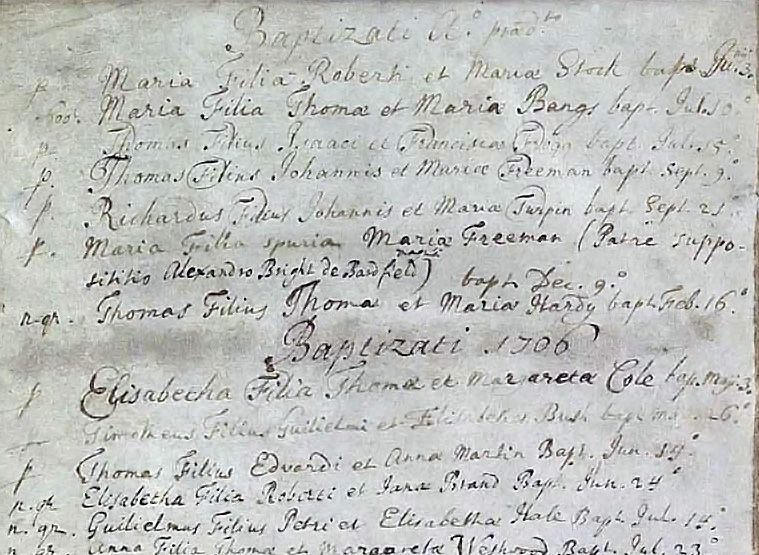
Turpin was baptised at Hempstead in Essex on 21 September 1705, the son of an innkeeper and butcher, and probably trained in the butcher's trade. In the early 1730s he was dealing with a gang of deer poachers in Epping Forest, the Gregory gang, and by late 1734, with several of them caught or scattered, the survivors turned to breaking into isolated houses around the edges of London. The raids were brutal. On the evening of 4 February 1735 Turpin and four others forced their way into Earlsbury Farm at Edgware, tied up the maidservants and beat and burned the 70-year-old farmer, Joseph Lawrence, to make him say where his money was. They left with less than £30. Three days later they did much the same at a farm in Marylebone.
Rewards and an informer ended the gang within weeks. Arrests began on 11 February, a teenage member named John Wheeler confessed, and the London Gazette printed a description of Turpin: a butcher, about 26, five feet nine inches tall, heavily marked with smallpox. Three of the gang were hanged at Tyburn on 10 March 1735 and their bodies hung in chains on the Edgware Road; Samuel Gregory followed in June. Turpin got away.
Through the second half of 1735 he robbed travellers on the roads and commons around London with Thomas Rowden, a former counterfeiter. In 1737 he was riding with Matthew King, later remembered wrongly as Tom King, and Stephen Potter. That May, after a stolen horse was traced to a Whitechapel inn, King was shot in a struggle with the men waiting for him and died days later; early reports blamed Turpin's pistol, though the papers soon retracted it. Turpin fled to Epping Forest, where on 4 May 1737 Thomas Morris, a servant of one of the forest keepers, tried to take him, and Turpin shot him dead with a carbine. A royal proclamation offered £200 for his capture.
He then vanished north. As John Palmer he lodged at Brough, crossed the Humber to deal in horses in Lincolnshire and hunted with the local gentry, apparently paying for it by stealing horses. After the game cock incident in October 1738 magistrates committed him first to Beverley and then, as suspicion grew, to York Castle. In February 1739 James Smith, the old schoolfellow who had recognised his writing, travelled to York and identified him.
He was tried at the York Assizes on 22 March 1739 before Sir William Chapple, not for murder but for stealing a mare, a foal and a gelding from Thomas Creasy of Heckington. He had no counsel, as was usual for felony defendants, and asked repeatedly for more time to bring witnesses. The jury convicted him without leaving the court, and he was sentenced to death. He spent his last days receiving paying visitors in the castle, bought a new coat and shoes, and hired mourners. On the scaffold, by the contemporary account, he spoke briefly to the hangman, himself a pardoned highwayman, and threw himself off the ladder.
The victims
Thomas Morris was a servant of Henry Tomson, one of the keepers of Epping Forest, and was killed on 4 May 1737 while trying to arrest a wanted man; it was his death, more than any robbery, that made Turpin a national fugitive. The victims of the Essex gang were mostly elderly householders on isolated farms who were believed to keep money at home. Joseph Lawrence, a farmer of 70 at Earlsbury Farm, Edgware, was tortured in front of his household; the widow Shelley at Loughton was threatened with the fire until her son told the robbers where her savings were; and one of Lawrence's maidservants was raped by a gang member during the raid.
Timeline
Richard Turpin is baptised at Hempstead, Essex.
Turpin and five others rob the farmer Ambrose Skinner at Barking.
The gang robs the widow Shelley at Loughton, threatening her with the fire.
The gang raids Earlsbury Farm, Edgware, torturing the farmer Joseph Lawrence.
Three gang members are arrested in London; John Wheeler turns informer.
Three of the gang are hanged at Tyburn.
Turpin is first named as a suspect in a highway robbery, with Thomas Rowden.
Turpin shoots Thomas Morris dead in Epping Forest; a £200 reward follows.
As John Palmer, he shoots a game cock in the street at Brough and threatens its owner.
He is moved to York Castle on suspicion of horse and sheep theft.
James Smith identifies the prisoner Palmer as Richard Turpin.
Turpin is tried at the York Assizes, convicted of horse theft and sentenced to death.
Turpin is hanged on the Knavesmire, York, and buried in St George's churchyard.
William Harrison Ainsworth's novel Rookwood introduces the ride to York on Black Bess.
People in the case
-
Richard (Dick) Turpin Perpetrator
21 September 1705 – 7 April 1739
Butcher turned gang robber, highwayman and horse thief; the birth date is his baptism. Hanged at York under the alias John Palmer.
-
Thomas Morris Victim
? – 4 May 1737
Servant of an Epping Forest keeper, shot dead by Turpin when he tried to arrest him.
-
Joseph Lawrence Victim
Elderly farmer at Earlsbury Farm, Edgware, beaten and tortured by the gang in February 1735.
-
Samuel Gregory Accomplice
? – 4 June 1735
A leading member of the Essex gang, which was also called the Gregory gang; captured in Sussex and hanged in June 1735.
-
Matthew King Accomplice
? – 19 May 1737
Highwayman partner of Turpin in 1737, remembered in legend as Tom King; died of a gunshot wound received during an attempted arrest.
-
James Smith Witness
Older schoolfellow who had taught Turpin to write; recognised his letter at Saffron Walden and identified him at York, claiming the £200 reward.
-
Sir William Chapple Judge
Judge at the York Assizes who sentenced Turpin to death; in his early sixties at the time of the trial.
-
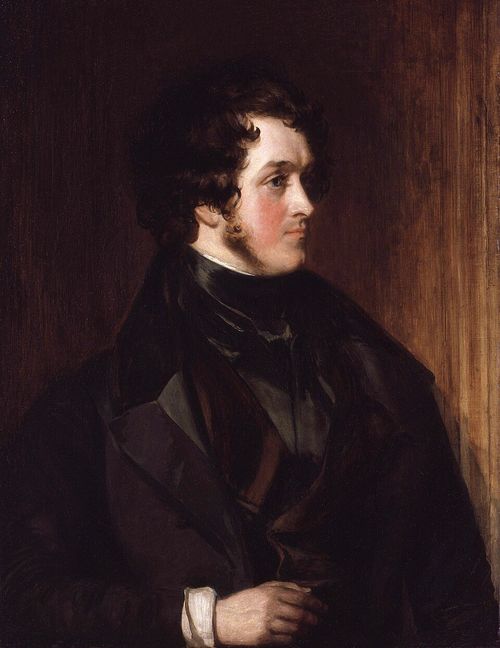
William Harrison Ainsworth Also involved
4 February 1805 – 3 January 1882
Novelist whose Rookwood (1834) gave Turpin the ride to York on Black Bess.
Where it happened
- Hempstead, Essex. Turpin's birthplace, where his father kept an inn.
- Brough, East Riding of Yorkshire. Where Turpin lived as John Palmer and was arrested in 1738.
- York Castle. Where he was held from October 1738 until his execution; part of the site is now York Castle Museum.
- Knavesmire, York. York's place of execution in 1739; now the racecourse.
Outcome
Executed Convicted and hanged
At the York Assizes on 22 March 1739 Turpin, indicted as John Palmer alias Richard Turpin, was convicted of stealing a mare and foal and a gelding belonging to Thomas Creasy, a capital offence. Sir William Chapple sentenced him to death, and he was hanged on the Knavesmire at York on 7 April 1739. He was never tried for the murder of Thomas Morris or the Essex gang robberies.
What the record settles, and what it doesn't
Established
- Richard Turpin was baptised at Hempstead, Essex, on 21 September 1705 and was a butcher by trade.
- He took part in violent house robberies with the Essex (Gregory) gang in 1734 and 1735, including the raid on Joseph Lawrence's farm at Edgware.
- He shot and killed Thomas Morris, a forest keeper's servant, in Epping Forest on 4 May 1737.
- He lived in Yorkshire and Lincolnshire under the name John Palmer and was jailed after the game cock incident at Brough in October 1738.
- He was identified through his handwriting and by James Smith, who had known him at school, and was convicted at York of horse theft.
- He was hanged at York on 7 April 1739.
Disputed
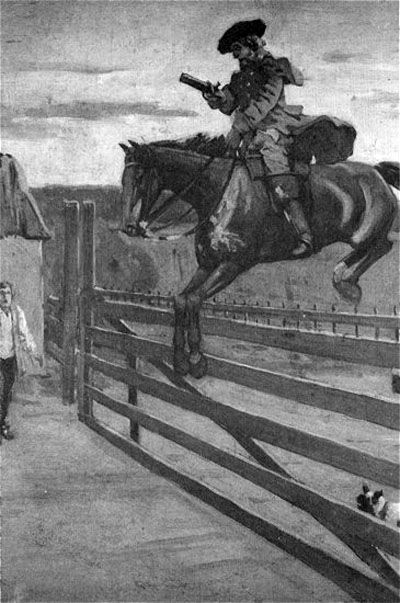
- The overnight ride from London to York on Black Bess is fiction. It was adapted from a story about the earlier highwayman William Nevison and made famous by Ainsworth's novel of 1834; about 200 miles in under a day is not possible for one horse.
- Richard Bayes's 1739 account of Turpin, the source of many anecdotes including his friendship with 'Gentleman' King, mixes fact and invention, and historians treat it with caution.
- Whether Turpin or Bayes fired the shot that killed Matthew King in 1737 was reported both ways in the newspapers of the time.
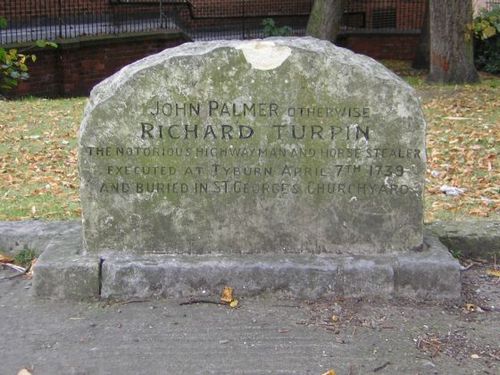
- Whether the grave marked as Turpin's in St George's churchyard, York, is genuine is uncertain, and accounts of his body being taken by body-snatchers and recovered may be embellished.
- Details of his early life, including the date of his marriage and where he served his apprenticeship, rest on thin evidence.
Pictures




Afterwards
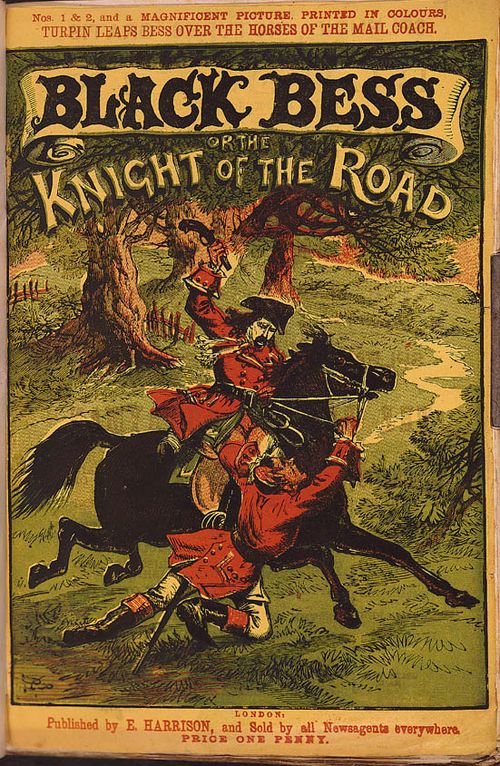
Within weeks of the hanging, accounts of the trial and a hurried biography by Richard Bayes were on sale, and ballads followed. The romantic Turpin, though, was a creation of the nineteenth century. Ainsworth's Rookwood gave him charm, a loyal mare and the impossible ride, and penny dreadfuls, stage shows and Madame Tussaud's waxworks took it from there. Later films and television series made him a dashing hero of the road.
The surviving record points the other way: a pockmarked butcher in a gang that tortured old people for small sums, a man who shot a servant trying to arrest him, and in the end a horse thief whom York hanged without knowing at first who he was. A stone in St George's churchyard in York marks his supposed grave.
Questions readers ask
Did Dick Turpin ride from London to York?
No. The overnight ride on Black Bess was invented long after his death and popularised by William Harrison Ainsworth's 1834 novel Rookwood. It borrows from a story told about the highwayman William Nevison.
What was Dick Turpin hanged for?
Horse theft. At the York Assizes in March 1739 he was convicted of stealing three horses from Thomas Creasy of Heckington, Lincolnshire, and he was hanged at York on 7 April 1739.
Did Dick Turpin kill anyone?
Yes. On 4 May 1737 he shot dead Thomas Morris, a servant of an Epping Forest keeper who was trying to arrest him. He was never tried for it.
Where is Dick Turpin buried?
He was buried in St George's churchyard, Fishergate, York, the day after his execution. A headstone marks the site, though whether his remains lie there is uncertain.
Sources and further reading
- Dick Turpin (Wikipedia)
- Tom King (highwayman) (Wikipedia)
- William Harrison Ainsworth (Wikipedia)
- Wikidata Q977890 (life dates checked here)
Written by Sinister Crimes from the sources above; see our editorial standards. Last checked 1 November 2026.