
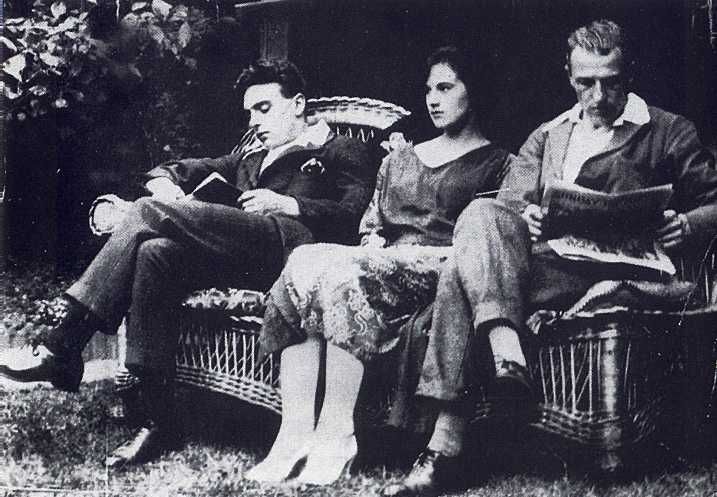

The case
Percy and Edith Thompson had spent the evening of 3 October 1922 at the Criterion Theatre in Piccadilly with relatives, then caught the late train home to Ilford. Shortly after midnight, walking along Belgrave Road towards their house in Kensington Gardens, Percy was attacked by a young man who stepped out of the dark, fought him and stabbed him several times. He died on the pavement. Edith, knocked aside in the struggle, was heard by neighbours screaming "Oh don't, oh don't."
To the police that night she described an unknown assailant. Within a day they had a name. The Thompsons' lodger mentioned a former lodger, Frederick Bywaters, a twenty-year-old steward with the P&O line whose ship was in port. He was picked up on the evening of 4 October and brought to Ilford police station. When Edith saw him there, and was falsely told he had confessed, she admitted she knew who had killed her husband. Bywaters made a statement saying he alone had done it.
The background came out quickly. Edith, born Edith Graydon in 1893, was clever, stylish and successful, the chief buyer for a wholesale milliner in the City, with regular business trips to Paris. She had married Percy, a shipping clerk, in 1916 after a long engagement. Bywaters had known her family since he was a schoolboy. In June 1921, on holiday together on the Isle of Wight, he and Edith began an affair. A violent quarrel at the Thompsons' house soon afterwards, in which Percy struck his wife, ended with Bywaters being told to leave.
For the next year, while he was at sea, Edith wrote to him constantly. Police found more than sixty of her letters, many of them in his cabin on the liner Morea. They were intense, romantic and at times wild. In a handful of passages she wrote of putting ground glass in Percy's food or of trying poison, and of how she longed to be free. Whether those lines described anything she had really done, or were fantasies spun for a lover far away, was the question on which her life came to depend.
The two were tried together at the Old Bailey from 6 to 11 December 1922 before Mr Justice Shearman. Bywaters insisted throughout that Edith had known nothing of his plan, that he had meant only to confront Percy and had lost his temper. No evidence placed a knife in her hand or showed she knew he would be in Belgrave Road that night. The prosecution relied on her letters to argue that she had incited the killing over many months and that the meeting was arranged. Against her counsel's advice, Edith insisted on giving evidence, and she did herself harm in the witness box.
The judge's summing-up made his distaste for the adultery plain. After deliberating for just over two hours, a jury that included one woman found both guilty. Bywaters shouted from the dock that the verdict on Edith was wrong. Appeals failed, a petition for mercy gathered close to a million signatures, and the Home Secretary refused a reprieve. On the morning of 9 January 1923, at nine o'clock, Edith Thompson was hanged at Holloway and Frederick Bywaters at Pentonville, about half a mile away.
The victims
Percy Thompson was 32, a shipping clerk in the City who had met Edith when she was fifteen and waited six years to marry her. The couple had no children and, with two incomes, had bought a house in a respectable Ilford street in 1920. Accounts of him depend heavily on how writers view Edith: to her defenders he was dull and at times violent, to others a conventional husband who had done nothing to deserve his death. He was buried in the City of London Cemetery.
Timeline
Edith Graydon marries Percy Thompson at St Barnabas, Manor Park.
The Thompsons buy 41 Kensington Gardens, Ilford.
Edith and Frederick Bywaters begin an affair on holiday on the Isle of Wight.
Bywaters goes back to sea; Edith writes to him throughout the following year.
Shortly after midnight Percy Thompson is stabbed to death in Belgrave Road, Ilford.
Bywaters is detained and Edith, at the police station, admits she knows him; both are later charged with murder.
The joint trial opens at the Old Bailey before Mr Justice Shearman.
Both are found guilty of murder and sentenced to death.
Edith Thompson is hanged at Holloway and Frederick Bywaters at Pentonville at the same hour.
Edith Thompson's remains are reburied beside her parents in the City of London Cemetery.
People in the case
-
Edith Thompson Perpetrator
25 December 1893 – 9 January 1923
Born Edith Graydon; milliner's buyer. Convicted of murder on the strength of her letters and hanged at Holloway; her guilt is widely disputed.
-
Frederick Bywaters Perpetrator
27 June 1902 – 9 January 1923
Ship's steward with P&O; admitted the stabbing and hanged at Pentonville.
-
Percy Thompson Victim
1890 – 4 October 1922
Born c. 1890; shipping clerk and Edith's husband.
-
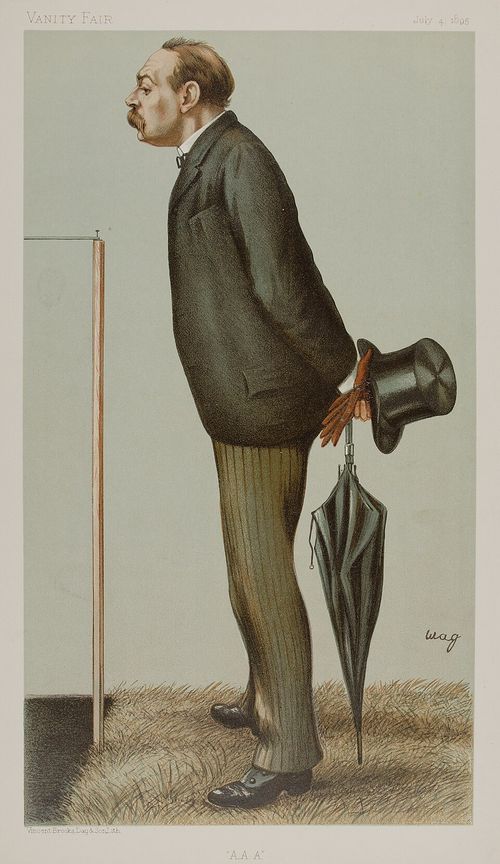
Montague Shearman Judge
7 April 1857 – 6 January 1930
Trial judge whose summing-up was later criticised as hostile to Edith Thompson.
-
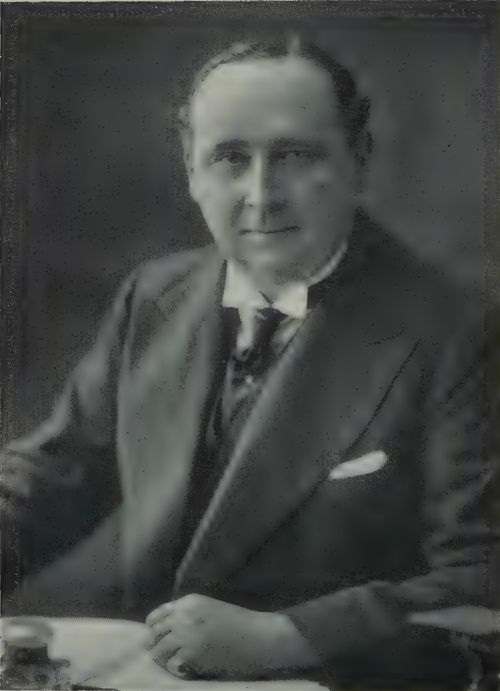
Sir Henry Curtis-Bennett Defence
31 July 1879 – 2 November 1936
Edith Thompson's counsel, who advised her not to testify and later said she had been hanged for her immorality.
-
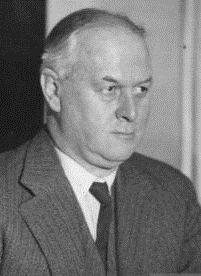
Sir Thomas Inskip Prosecutor
5 March 1876 – 11 October 1947
Solicitor-General who led for the Crown.
-
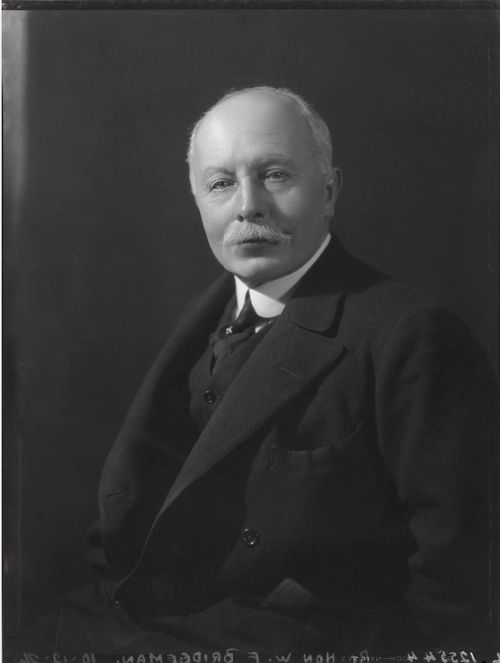
William Bridgeman Also involved
31 December 1864 – 14 August 1935
Home Secretary who refused a reprieve.
Where it happened
- Belgrave Road, Ilford. Percy Thompson was killed on this road, between De Vere Gardens and Endsleigh Gardens, near the couple's home.
- Criterion Theatre, Piccadilly Circus. Where the Thompsons spent their last evening together.
- HM Prison Holloway. Where Edith Thompson was hanged.
- HM Prison Pentonville. Where Frederick Bywaters was hanged and buried.
Outcome
Executed Both convicted and executed
Edith Thompson and Frederick Bywaters were convicted of murder at the Old Bailey on 11 December 1922 and sentenced to death. Their appeals were dismissed by the Court of Criminal Appeal, which accepted that her letters could support an inference of a preconcerted plan. The Home Secretary declined to reprieve either, and both were hanged on 9 January 1923.
What the record settles, and what it doesn't
Established
- Percy Thompson was stabbed to death in Belgrave Road, Ilford, shortly after midnight as he and his wife walked home from the theatre in October 1922.
- Frederick Bywaters admitted that he had attacked and stabbed Percy Thompson.
- Edith Thompson and Bywaters had been having an affair since June 1921, and she had written him dozens of letters while he was at sea.
- Some of those letters spoke of poisoning Percy or putting ground glass in his food.
- Both were convicted of murder after a joint trial at the Old Bailey in December 1922.
- Both were hanged at nine o'clock on 9 January 1923, at Holloway and Pentonville respectively.
Disputed
- Whether Edith Thompson was guilty of murder: the courts held that her letters showed incitement and supported an inference of a planned meeting, while critics argue there was no evidence she knew of or agreed to the attack that night.
- What the letters meant: the prosecution read the poison and ground-glass passages as evidence of real attempts, while her defenders, including Bywaters at trial, saw romantic fantasy written to keep a young lover's attention; no post-mortem evidence of poison or glass was found.
- Whether the trial was fair: Mr Justice Shearman's summing-up and his emphasis on adultery have been widely criticised as prejudicial, while others argue the jury was properly directed on the law.
- Whether Bywaters intended to kill or only to confront Percy, as he claimed.
Pictures


Afterwards
Edith Thompson's execution caused deep unease, even among those involved in it. She was the first woman hanged in Britain since 1907, and the accounts of her final days and morning fed the campaign against capital punishment for decades. Her counsel never accepted the verdict, and the case became a standard example of a conviction secured more by a defendant's morals than by proof of her part in the crime.
The story has been retold in novels, plays and films, among them F. Tennyson Jesse's novel A Pin to See the Peepshow. Edith was buried within Holloway's walls, moved to Brookwood Cemetery when the prison was rebuilt in 1971, and in November 2018 reburied in the City of London Cemetery beside her parents. Bywaters remains in an unmarked grave at Pentonville.
Questions readers ask
Was Edith Thompson innocent?
She did not strike the blows, and Bywaters always said she knew nothing of his plan. She was convicted because the jury accepted that her letters showed she had incited and arranged the killing; many lawyers and historians have since argued the evidence did not prove that.
Why was Edith Thompson hanged?
She was convicted of murder as a party to a common purpose with Bywaters, mainly on the basis of letters in which she wrote of wanting her husband dead. The Home Secretary refused to commute the sentence despite a large petition.
Where were Thompson and Bywaters executed?
Edith Thompson at Holloway Prison and Frederick Bywaters at Pentonville Prison, both at 9 a.m. on 9 January 1923.
Sources and further reading
- Edith Thompson and Frederick Bywaters (Wikipedia)
- Edith Thompson and Frederick Bywaters (Capital Punishment UK)
- "Two are condemned in London murder", New York Times, 12 December 1922
- Wikidata Q17432840 (life dates checked here)
Written by Sinister Crimes from the sources above; see our editorial standards. Last checked 1 November 2026.