
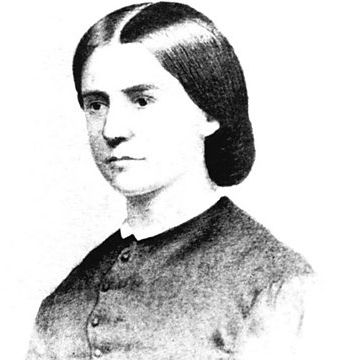

The case
On the morning of Saturday 30 June 1860 the nursemaid at Road Hill House woke to find the cot beside her bed empty. Francis Saville Kent, not yet four, had been asleep there when she last looked in the night. The household and neighbours searched the grounds, and that morning he was found in the vault of the servants' privy in the garden, wrapped in a blanket from his own cot. His throat had been cut.
Road Hill House stood on the edge of the village of Road, then in Wiltshire and now spelled Rode, in Somerset. It belonged to Samuel Saville Kent, a government inspector of factories, who lived there with his second wife, Mary, their young children, the children of his first marriage, and several servants. His first wife had died in 1852, and he went on to marry Mary Pratt, who had looked after the children while she was ill. The older children, it was later said, felt pushed aside in favour of the new family, of which Francis was the father's favourite.
The house had been locked overnight, and a drawing-room window was found open in the morning, but no one believed an outsider had done it. The local police first suspected the nursemaid, Elizabeth Gough. In mid-July Scotland Yard sent Detective Inspector Jonathan Whicher, one of its original detectives. Whicher's attention settled on Constance, the sixteen-year-old daughter of the first marriage, chiefly because one of her nightdresses had gone missing. He had her arrested, but at the hearing before local magistrates on 27 July the evidence was too thin and she was released.
The decision was popular. Newspapers and much of the public were outraged that a working-class London policeman had accused a gentleman's daughter on such grounds, and Whicher's reputation never fully recovered. Suspicion swung back to Gough, and then to Samuel Kent himself; rumours spread that he had been involved with the nursemaid and had killed the child when discovered. Gough was examined at Trowbridge in October and also discharged. The family left Road, and Constance was sent to a finishing school in France.
She came back to England in 1863 and went to live in a religious house in Brighton connected with the Anglo-Catholic clergyman Arthur Wagner. In April 1865 she told Wagner she had killed her brother and wanted to give herself up. On 25 April she appeared at Bow Street magistrates' court in London and confessed. Her account was that she had waited for the household to sleep, taken Francis from the nursery, left by the drawing-room window and killed him in the privy with a razor taken from her father, having hidden matches there beforehand.
At the Wiltshire assizes in Salisbury on 21 July 1865 she pleaded guilty, so no evidence was heard. The judge, Mr Justice Willes, was visibly distressed as he passed the death sentence. Because she had been sixteen at the time and had confessed of her own accord, it was commuted to penal servitude for life. The trial left one legal mark beyond the verdict: Wagner had refused to tell the magistrates more than he had, citing the seal of confession, and the Lord Chancellor told the House of Lords plainly that Church of England clergy had no such privilege in English courts.
The victims
Francis Saville Kent was born in 1856, the eldest son of Samuel Kent's second marriage, and was three years old when he died. He slept in the nursery in the care of his nursemaid, and he was, by most accounts, his father's favourite. His death was also, in the language of the time, the ruin of a family: his parents' marriage, his father's standing and the lives of his half-siblings were all shaped by the five years of suspicion that followed.
Timeline
Constance Kent is born at Sidmouth, Devon.
Constance's mother dies; Samuel Kent later marries the family governess, Mary Pratt.
Francis Saville Kent is found dead in the garden privy at Road Hill House.
The coroner's inquest opens at Road.
Detective Inspector Jonathan Whicher arrives from Scotland Yard and arrests Constance.
Magistrates release Constance after a hearing at Road.
The nursemaid Elizabeth Gough is examined at Trowbridge and discharged.
Constance gives herself up at Bow Street, London, and confesses.
She pleads guilty at Salisbury and is sentenced to death; the sentence is commuted to life.
Constance is released after twenty years in prison.
She dies in Strathfield, New South Wales, aged 100.
People in the case
-
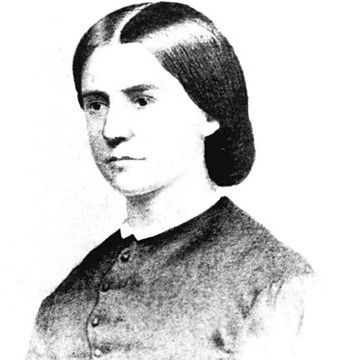
Constance Kent Perpetrator
6 February 1844 – 10 April 1944
Francis's half-sister; confessed in 1865, served twenty years, and later lived in Australia as nurse Ruth Emilie Kaye.
-
Francis Saville Kent Victim
1856 – 30 June 1860
Son of Samuel Kent and his second wife; aged three.
-
Samuel Saville Kent Also involved
1801 – 1872
Factory inspector and owner of Road Hill House; for years the subject of public suspicion.
-
Elizabeth Gough Suspect
Born c. 1837; Francis's nursemaid. Suspected by local police, examined and discharged in October 1860.
-
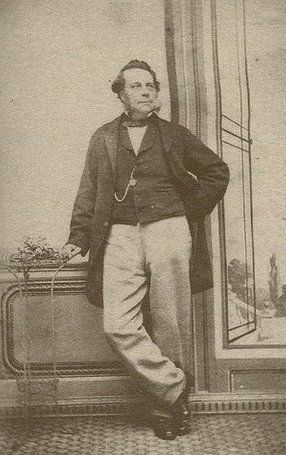
Jonathan "Jack" Whicher Investigator
1 October 1814 – 29 June 1881
Scotland Yard detective who identified Constance as the culprit in 1860 and was ridiculed for it.
-
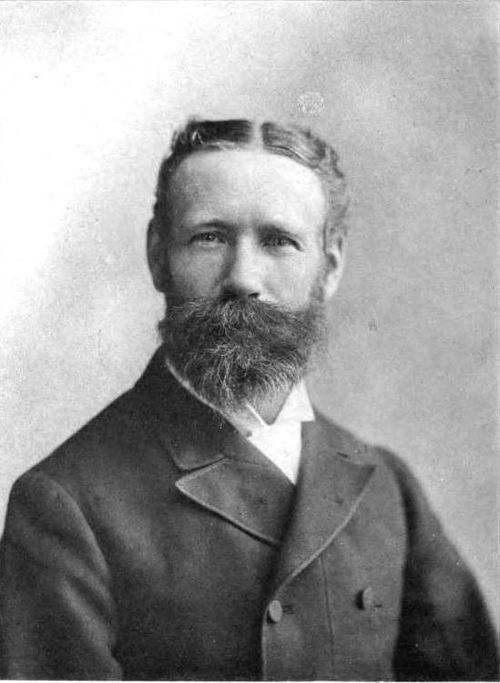
William Saville-Kent Also involved
10 July 1845 – 11 October 1908
Constance's younger brother, later a marine biologist in Australia. Some writers have suggested he was involved; he was never charged.
-
Arthur Wagner Witness
13 June 1824 – 14 January 1902
Brighton clergyman to whom Constance first confessed; declined to give further evidence, citing the seal of confession.
-
Sir James Shaw Willes Judge
1814 – 1872
Judge who sentenced Constance to death at Salisbury.
Where it happened
- Rode (formerly Road), Somerset. The village where Road Hill House stood; it was in Wiltshire in 1860.
- Trowbridge, Wiltshire. Where Elizabeth Gough was examined and discharged in October 1860.
- Salisbury, Wiltshire. Where Constance pleaded guilty at the assizes in July 1865.
Outcome
Convicted Pleaded guilty; death sentence commuted
Constance Kent pleaded guilty to murder at the Wiltshire assizes in Salisbury on 21 July 1865 and was sentenced to death by Mr Justice Willes. The sentence was commuted to penal servitude for life because of her youth at the time of the crime and her voluntary confession. She served twenty years, including time at Millbank, and was released in 1885.
What the record settles, and what it doesn't
Established
- Francis Saville Kent, aged three, was taken from his cot at Road Hill House during the night of 29 to 30 June 1860 and found dead in the garden privy.
- Detective Inspector Jonathan Whicher of Scotland Yard arrested Constance Kent in July 1860, but magistrates released her for lack of evidence.
- The nursemaid Elizabeth Gough was also examined and discharged in 1860.
- In April 1865 Constance confessed, first to Arthur Wagner and then at Bow Street, and gave a detailed account of the killing.
- She pleaded guilty at Salisbury on 21 July 1865; her death sentence was commuted, and she was released in 1885.
- Wagner's refusal to disclose what he heard in confession led the Lord Chancellor to state that Anglican clergy had no legal privilege to withhold such evidence.
Disputed
- Whether Constance acted alone: her confession named no one else and she never retracted it, but some later writers have argued that her brother William was involved or that she shielded him.
- Whether her confession was true at all: at the time some believed Samuel Kent killed the child after being discovered with the nursemaid, and that Constance confessed to protect him; others, including the judge, said they had no doubt she was guilty.
- Her motive: she insisted she bore Francis no hatred, while contemporaries and later writers pointed to resentment of her stepmother and of her father's second family.
- Some details of her account, such as how she managed the razor and the blanket alone in the dark, which doubters said did not match the evidence of 1860.
- The court where she pleaded: contemporary reports place it at Salisbury, while some modern summaries say Devizes.
Pictures


Afterwards
The 1865 confession matched the conclusion that had made Whicher a figure of mockery five years earlier, though by then he had left active police work through ill health. The case shaped the young genre of detective fiction, feeding into Wilkie Collins's The Moonstone and other novels that turned on the gap between a detective's suspicion and a respectable family's secrets.
After her release Constance joined her brother William in Australia, took the name Ruth Emilie Kaye and trained as a nurse. She worked in a leper ward in Sydney and at an industrial school for girls, and served for two decades as matron of a nurses' home at East Maitland in New South Wales, retiring in 1932. She never spoke publicly about the murder and died in 1944 at the age of 100.
Questions readers ask
Did Constance Kent really kill her brother?
She confessed in 1865, pleaded guilty and never withdrew the confession. Doubts have persisted, mainly over whether someone else, her father or her brother William, was involved, but no evidence has displaced her own account.
What happened to Constance Kent?
Her death sentence was commuted and she served twenty years. On release she emigrated to Australia, became a nurse under the name Ruth Emilie Kaye, and died in New South Wales in 1944, aged 100.
Why was Jack Whicher criticised?
In 1860 he accused Constance on largely circumstantial evidence, including a missing nightdress. Public opinion was outraged that a police detective would accuse a gentleman's daughter, and she was released, though her later confession supported his view.
Sources and further reading
- Constance Kent (Wikipedia)
- Jack Whicher (Wikipedia)
- The Spectator, 29 April 1865: the confession
- The Spectator, 22 July 1865: the trial at Salisbury
- Wikidata Q5163554 (life dates checked here)
Written by Sinister Crimes from the sources above; see our editorial standards. Last checked 1 November 2026.