

The case
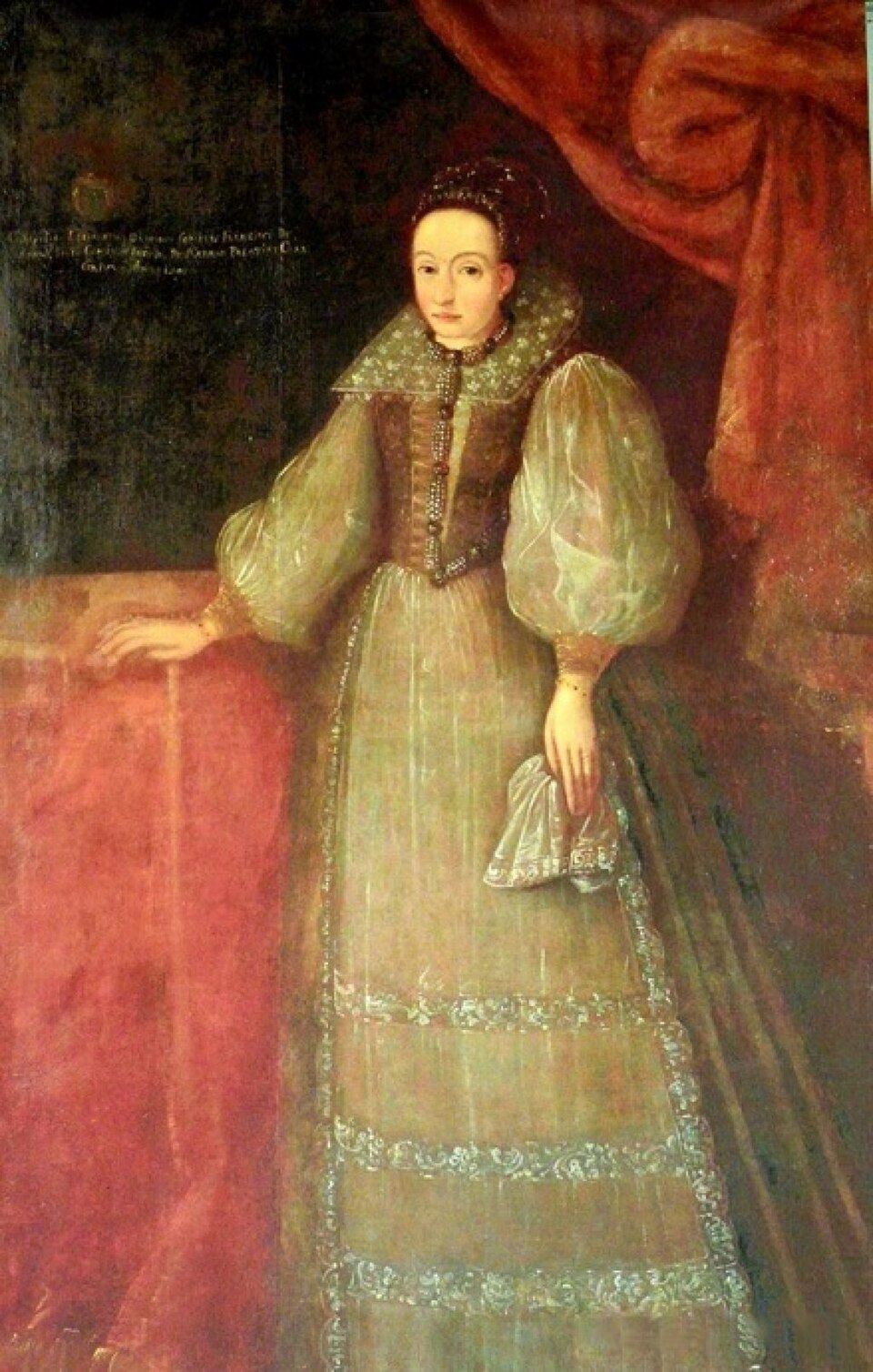
Elizabeth Báthory was never tried. That fact sits at the centre of one of the most argued-over cases in European history. When the Palatine of Hungary, György Thurzó, arrived at her castle of Csejte at the end of December 1610 and took her into custody, the outcome had already been negotiated with her family. Her servants were tried, tortured and executed. The countess herself was shut away in her own castle, where she died three and a half years later.
She was one of the most powerful women in the kingdom. Born in 1560 into the Báthory family, whose members ruled Transylvania and, in her uncle Stephen's case, Poland, she was well educated, reading and writing several languages, and was married at fourteen to Ferenc Nádasdy, a leading commander in the wars against the Ottomans. With her husband constantly at war, she ran a large network of estates and castles in what is now western Hungary and Slovakia. Nádasdy died in January 1604, leaving her a wealthy widow.
Rumours about the treatment of young women in her household had circulated for years. Between 1602 and 1604 a Lutheran minister, István Magyari, complained publicly and to the court in Vienna. In March 1610, on the king's authority, Thurzó ordered two notaries to collect testimony. By the autumn they had dozens of statements and by 1611 more than three hundred.
The witnesses described girls and young women, first servants from peasant families and later daughters of minor nobles sent to her household to learn manners, who were beaten, burned, starved and killed, and whose deaths were explained away or concealed. Some witnesses had seen injured girls themselves; many reported what others had told them. A castellan at Sárvár spoke of at least 175 deaths there, though he said he did not know their causes. The highest figure, 650, came from a single servant repeating a claim about a register no one ever produced.
Four of Báthory's servants, Dorottya Szentes, Ilona Jó, Katarína Benická and János Újváry, known as Ficzkó, were arrested with her. They were interrogated under torture and tried in January 1611 before a court that heard seventeen witnesses. They confessed and said they had acted on their mistress's orders. Szentes, Jó and Újváry were executed; Benická, judged to have been coerced by the others, was imprisoned for life.
King Matthias wanted Báthory tried and, if convicted, put to death, which would have allowed the Crown to seize her lands and wipe out a large debt he owed her. Thurzó and her family preferred a quieter course. Her son and sons-in-law had agreed in advance on the division of her property, and her son-in-law wrote to thank Thurzó for choosing what he called the lesser of two evils, sparing the family public disgrace.
That is where the modern argument begins. Since the 1980s some historians have argued that Báthory was the victim of a political move against a rich Protestant widow whose nephew, Gábor Báthory, ruled Transylvania and threatened the Habsburgs; that testimony was hearsay, extracted under torture or led by questioners; and that wounded and sick tenants, for whom a landowner's household provided care, were presented as victims. Others answer that the evidence came from hundreds of people across several counties, including eyewitnesses who were not tortured, that the complaints began with a Lutheran minister rather than a Catholic court, and that her own family accepted her guilt in private letters. The records support the conclusion that many young women died in her households. Who killed them, and how far the countess herself was responsible, is where the evidence remains contested.
Báthory spent her last years confined at Csejte. She was found dead on the morning of 21 August 1614.
The victims
Most of the young women who died in Báthory's households are unnamed in the surviving records: daughters of peasant families from the villages around her castles who went into service there, and later, according to witnesses, daughters of the lesser nobility sent to her court to learn etiquette and make useful connections. A few names appear in testimony. Kata Berényi, the niece of a castle warden named János Deseö, was taken to Csejte despite her uncle's pleas and did not come back. Noblewomen testified that their daughters, Zsuzska Zelesthey and Erzsébet Jezernyczky, died in the countess's service. Witnesses also spoke of a shoemaker's daughter called Ilonka. They were teenagers and young women, many far from home, whose families often learned only that they had died.
Timeline
Elizabeth Báthory is born at Nyírbátor in the Kingdom of Hungary.
She marries Ferenc Nádasdy at Varannó.
The Lutheran minister István Magyari begins to complain publicly about her treatment of servants.
Ferenc Nádasdy dies, leaving Báthory a wealthy widow.
Palatine György Thurzó orders the notary Mózes Cziráky to collect witness testimony.
At the end of the month Thurzó arrests Báthory and four servants at Csejte.
The first trial of the servants opens; a second sitting follows on 7 January.
Three servants are executed and a fourth is sentenced to life imprisonment.
King Matthias writes to Thurzó demanding that Báthory herself be brought to judgement.
Báthory is found dead in her confinement at Csejte.
People in the case
-
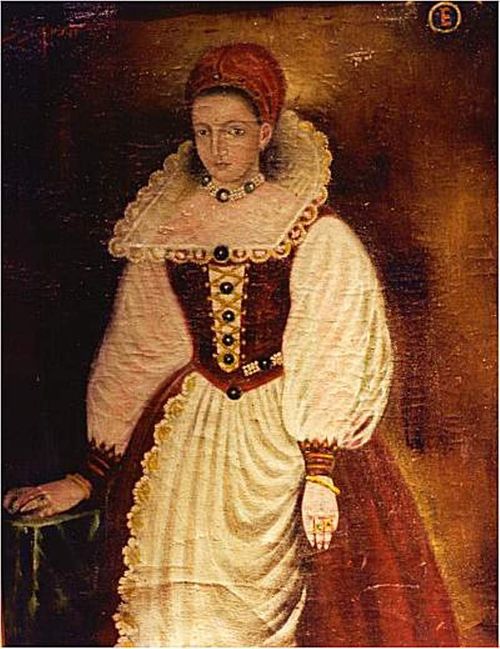
Elizabeth Báthory Accused
7 August 1560 – 21 August 1614
Hungarian countess accused of killing many young women; confined without trial at Csejte from December 1610 until her death.
-
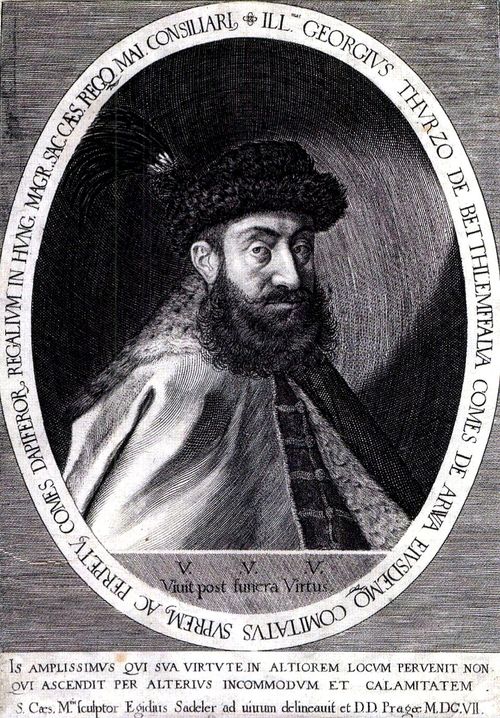
György Thurzó Investigator
2 September 1567 – 26 December 1616
Palatine of Hungary; directed the inquiry, arrested Báthory and arranged her confinement.
-
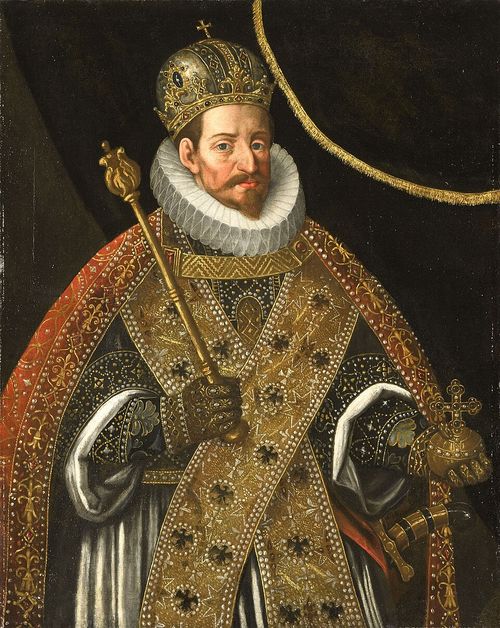
Matthias II Also involved
24 February 1557 – 20 March 1619
King of Hungary; pressed for a trial and death sentence and owed Báthory a large debt.
-
Ferenc Nádasdy Also involved
6 October 1555 – 4 January 1604
Báthory's husband, a leading Hungarian commander against the Ottomans.
-
Dorottya Szentes Accomplice
? – January 1611
Servant convicted as an accomplice after interrogation under torture; executed in January 1611.
-
Ilona Jó Accomplice
? – January 1611
Servant in the household; convicted and executed in January 1611.
-
János Újváry (Ficzkó) Accomplice
? – January 1611
Young male servant; convicted and beheaded in January 1611.
-
Katarína Benická Accomplice
Servant sentenced to life imprisonment after the court accepted she had been coerced. Dates unknown.
-
István Magyari Also involved
Lutheran minister whose complaints, from about 1602, prompted the investigation. Dates uncertain.
Where it happened
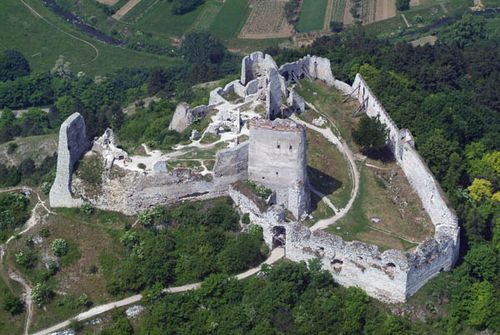
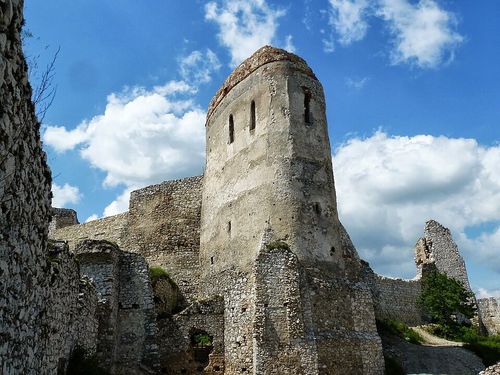
- Čachtice (Csejte) Castle. Hilltop castle where Báthory was arrested and confined until her death; now a ruin in western Slovakia.
- Sárvár. Seat of the Nádasdy family, where witnesses said many girls died.
- Nyírbátor. Báthory's birthplace in north-eastern Hungary.
Outcome
Disputed verdict Confined without trial
Báthory was arrested in December 1610 and confined at Csejte Castle, by arrangement between Thurzó and her family, without ever being tried. Her servants Dorottya Szentes, Ilona Jó and János Újváry were convicted in January 1611 and executed; Katarína Benická was sentenced to life imprisonment. The king's demand that the countess be tried was not carried out, and she died in confinement on 21 August 1614.
What the record settles, and what it doesn't
Established
- Elizabeth Báthory was a wealthy Hungarian noblewoman, widowed in 1604, who controlled extensive estates including Csejte and Sárvár.
- A formal inquiry ordered in March 1610 gathered testimony from more than three hundred witnesses.
- Thurzó arrested her at Csejte at the end of December 1610 together with four servants.
- Three of the servants were convicted on confessions obtained under torture and executed in January 1611.
- Báthory was never put on trial and remained confined at Csejte until her death on 21 August 1614.
- Her family agreed with Thurzó to avoid a public trial, and the king owed her a large debt.
Disputed
- Her guilt: most historians accept that many young women died in her households and that she was responsible, while a minority argue that the case was a politically motivated frame-up against a powerful Protestant widow.
- The quality of the evidence: critics stress hearsay and confessions under torture; others point to eyewitness testimony given without torture and to private family letters accepting her guilt.
- The number of victims: figures range from dozens to the 650 claimed by one servant, a number based on a register never produced.
- Thurzó's motives: he had political ambitions that her disgrace served, but he also chose the course that protected her family's estates.
- The blood-bathing story: the tale that she bathed in the blood of virgins appears more than a century after her death and is rejected by historians as legend.
Pictures



Afterwards
Báthory's estates passed to her children as arranged before her arrest, and the king's debt to her was never repaid. She was buried at Csejte, though her remains may later have been moved, and their location is unknown. In the eighteenth century a historian published the story that she bathed in the blood of young women to keep her youth, and that image, along with titles like the Blood Countess, has shaped her reputation ever since in novels, films and tourism at the ruined castle above Čachtice. Historians have spent much of the past forty years trying to separate the records of 1610 and 1611 from the legend, without settling the question of how much of the case against her was true.
Questions readers ask
Did Elizabeth Báthory really kill hundreds of girls?
More than three hundred witnesses accused her, and her servants confessed under torture. Most historians accept that many young women died in her care, but the numbers are uncertain and a minority argue she was framed for political reasons.
Was Elizabeth Báthory convicted?
No. She was never tried. Her family and the Palatine agreed to confine her in her castle instead, while four of her servants were tried and three were executed.
Did Elizabeth Báthory bathe in blood?
There is no evidence for it. The story first appears in print more than a century after her death and is regarded by historians as legend.
How did Elizabeth Báthory die?
She died in confinement at Csejte Castle on the night of 20 to 21 August 1614, at the age of 54, after complaining that her hands were cold.
Sources and further reading
- Elizabeth Báthory (Wikipedia)
- Čachtice Castle (Wikipedia)
- Wikidata Q170846 (life dates checked here)
Written by Sinister Crimes from the sources above; see our editorial standards. Last checked 1 November 2026.