

The case
On 18 September 1440 a woman named Péronne Loessart came before commissioners of the Duke of Brittany at Nantes to explain how she had lost her ten-year-old son. A member of the household of Gilles de Rais, one of the greatest lords in the region, had offered to take the boy into service as a page. She had let him go. She had not seen him since. Over the following weeks dozens of parents, neighbours and relatives gave statements of the same kind: boys who went to beg for alms at one of the baron's castles, or were placed with his servants, or were last seen near his residences, and never came home.
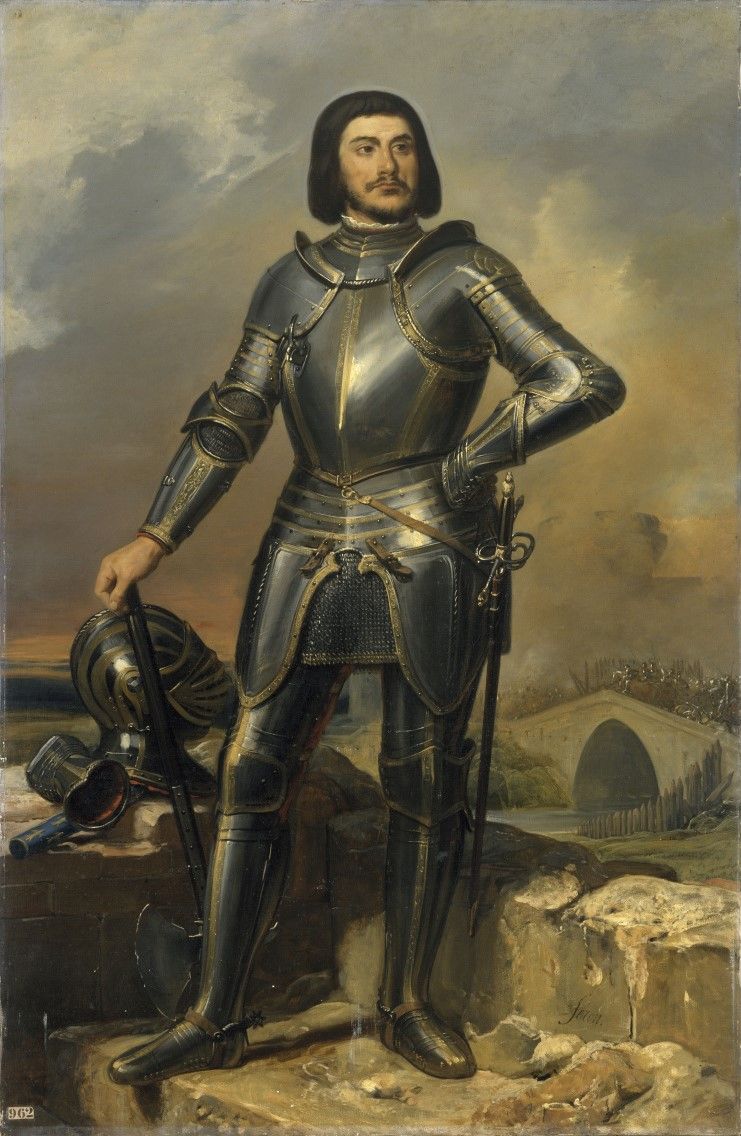
The man they were describing had been, eleven years earlier, a national hero. Born around 1405 at Champtocé in Anjou, heir to several great families of western France, Gilles de Rais held lands across Brittany, Anjou and Poitou. He fought for Charles VII in the Hundred Years' War, rode with Joan of Arc to relieve Orléans in 1429, and that summer was made Marshal of France. In the 1430s he withdrew from soldiering and spent heavily on his retinue, his household and display. His family complained that he was wasting the inheritance, and in 1435 the king forbade further sales of his lands.
What brought him down was not the children. In May 1440, quarrelling over the sale of a castle at Saint-Étienne-de-Mer-Morte, he burst armed into the parish church during Mass, threatened the cleric Jean Le Ferron and imprisoned him. Le Ferron was a tonsured churchman and the brother of a ducal official, and the act offended both the Church and the Duke of Brittany, John V. Jean de Malestroit, Bishop of Nantes and the duke's chancellor, opened an inquiry into the rumours about Gilles, and the duke's judge began a parallel secular investigation.
Gilles was arrested at his castle of Machecoul on 15 September 1440 and taken to Nantes. Two of his servants, Henriet Griart and Étienne Corrillaut, called Poitou, were arrested with him, along with an Italian cleric, François Prelati, whom he had employed to conjure spirits and make gold, and a priest who had recruited Prelati. Two cousins said to have been involved had already fled.
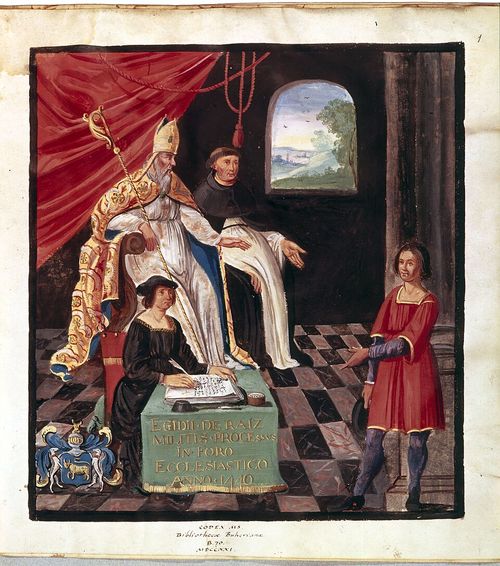
He faced two courts. Before the bishop and the inquisitor of the faith, the charges were heresy, invoking demons, sodomy and the murder of children. Before the duke's court, they were murder. At first Gilles denied everything and rejected the court's authority. Then he submitted. The court authorised torture, and he asked instead to confess. On 21 and 22 October he described abducting, abusing and killing boys over several years, beginning around 1432, with the help of his servants. His servants' confessions had already given similar accounts.
The church court's sentence put the number of victims at one hundred and forty or more. The secular court spoke only of several small children. On 25 October he was condemned to death. The next morning, 26 October 1440, he was hanged on the meadow of Biesse by the Loire alongside Henriet and Poitou. At his own request he died first. His body was taken down before the fire could consume it and buried in the Carmelite church at Nantes.
Doubt has followed the verdict ever since. The trial was conducted under inquisitorial procedure, with torture threatened, confessions recorded in formulaic Latin by notaries, and judges with political and financial interests in his ruin; the duke had already acquired some of his lands. Some writers, from Voltaire to twentieth-century campaigners, have suggested he was framed. Most professional historians disagree. They point to the parents' testimony, gathered before any confession, which records children going missing over years around his homes, and to passages in the servants' confessions that have no model in the standard questions of the period.
The victims
The victims were children, mostly boys, from the towns and villages around Machecoul, Nantes and the baron's other residences. Many were from poor families: some came to his castles to beg for alms, others were placed in service as pages or apprentices in the hope of a better life. The records preserve a few of them. Péronne Loessart's ten-year-old son was taken from her home on the promise of a place in the household. The son of Georges Le Barbier of Machecoul was last seen picking apples behind a neighbour's house. Perrot Dagaie had been living with a household near Nantes before he vanished. Most of the others survive only as a description in a parent's statement: an age, a parish, the day he was last seen.
Timeline
Gilles de Rais is born, probably at Champtocé in Anjou.
Gilles takes part in the relief of Orléans alongside Joan of Arc.
He is made Marshal of France at the coronation of Charles VII.
By his own later confession, his attacks on children begin around this year.
Charles VII forbids further sales of his lands at his family's request.
Gilles seizes the cleric Jean Le Ferron at Saint-Étienne-de-Mer-Morte.
Bishop Malestroit publishes the findings of his inquiry into the rumours of missing children.
Gilles is arrested at Machecoul and taken to Nantes.
Gilles begins his confession after the court authorises torture.
He is sentenced to death by the duke's court.
Gilles, Henriet and Poitou are hanged and burned at Nantes.
People in the case
-
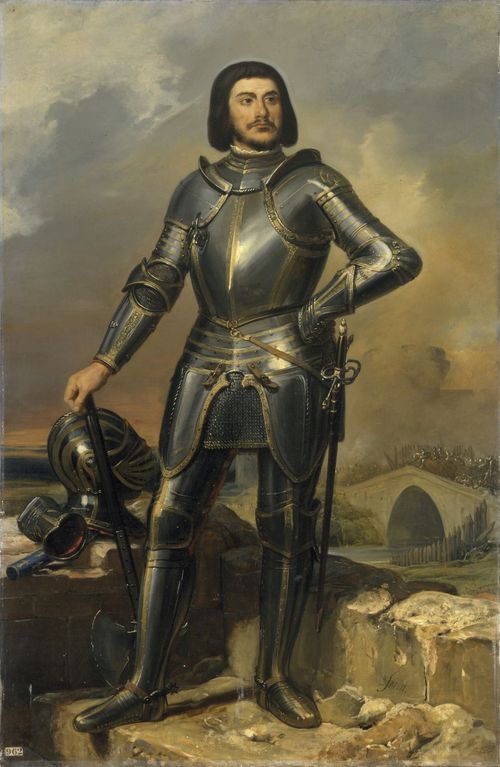
Gilles de Rais Perpetrator
1405 – 26 October 1440
Baron de Rais and Marshal of France; convicted of murdering children and hanged at Nantes. Born c. 1405.
-
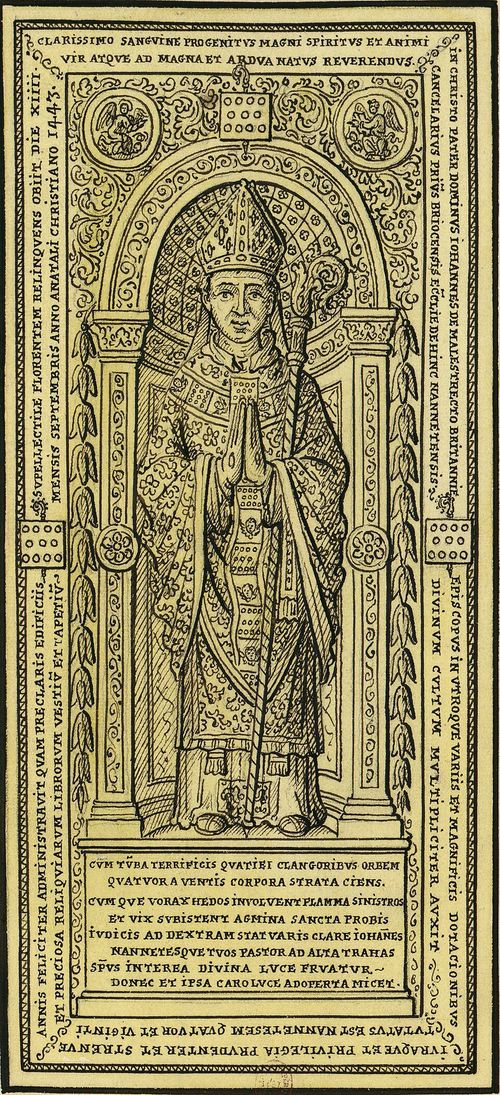
Jean de Malestroit Judge
? – 14 September 1443
Bishop of Nantes and chancellor of Brittany; presided over the church trial. Born c. 1375.
-
John V, Duke of Brittany Also involved
24 December 1389 – 29 August 1442
Gilles's overlord; his courts prosecuted the murders and he gained from Gilles's fall.
-
Étienne Corrillaut (Poitou) Accomplice
? – 26 October 1440
Servant whose confession described the killings; executed with his master.
-
Henriet Griart Accomplice
? – 26 October 1440
Servant who confessed to procuring children; executed with his master.
-
François Prelati Accomplice
? – April 1446
Italian cleric employed to summon demons; sentenced to life imprisonment, probably escaped, and was burned at Chinon in 1446. Born c. 1417.
-
Péronne Loessart Witness
Mother whose ten-year-old son disappeared after being taken into the baron's household; testified on 18 September 1440.
-
Joan of Arc Also involved
1412 – 30 May 1431
Gilles fought in her campaigns of 1429; little is known of their personal relationship.
Where it happened
- Château des ducs de Bretagne, Nantes. Where Gilles was held during his trial.
- Machecoul. Seat of the barony of Rais, where he was arrested and from which many children went missing.
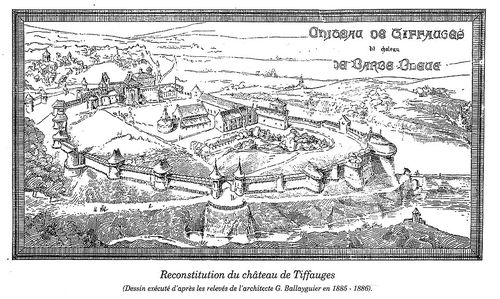
- Château de Tiffauges. His castle in Poitou, scene of alchemical experiments described at the trial.
- Saint-Étienne-de-Mer-Morte. Where his armed attack on a cleric in May 1440 triggered his downfall.
- Champtocé-sur-Loire. His probable birthplace; the castle ruins survive.
Outcome
Executed Convicted and executed
Gilles de Rais was tried in October 1440 by the church court of Nantes for heresy, sodomy and the invocation of demons, and by the Duke of Brittany's court for murder. He confessed on 21 and 22 October after torture had been authorised. He was sentenced to death on 25 October and hanged at Nantes on 26 October 1440, his body partly burned and then buried; his servants Henriet Griart and Étienne Corrillaut were executed with him.
What the record settles, and what it doesn't
Established
- Gilles de Rais was a Marshal of France who served in Joan of Arc's campaigns of 1429.
- His armed seizure of a cleric at Saint-Étienne-de-Mer-Morte in May 1440 brought him into conflict with the Church and the Duke of Brittany.
- Ecclesiastical and secular inquiries in 1440 collected testimony from many parents and neighbours about missing children.
- He was arrested at Machecoul on 15 September 1440 and tried at Nantes before both church and ducal courts.
- He confessed to the murders of children after the court authorised torture, and his servants gave similar confessions.
- He was hanged at Nantes on 26 October 1440 with two of his servants.
Disputed
- The reliability of the confessions: critics note that they were made under threat of torture and recorded in formulaic inquisitorial Latin; historians who accept them point to details in the servants' accounts that match no standard script.
- Whether he was framed: a minority from the Enlightenment to the twentieth century argued that the Duke of Brittany and the bishop wanted his lands, while most modern medievalists judge the parents' testimony too extensive and specific to have been invented.
- The number of victims: the church court's figure of 140 or more is generally treated as uncertain or exaggerated, and the secular court gave no number.
- His link to Bluebeard: since the nineteenth century he has been called the model for Perrault's 1697 tale, but the connection is speculative.
- His relationship with Joan of Arc, which fiction often makes close, is barely documented.
Pictures




Afterwards
Gilles's lands were dispersed, much of them to the Duke of Brittany and his allies, and his heirs spent decades trying to recover what he had sold. François Prelati, sentenced to life imprisonment, apparently escaped to the court of René of Anjou, and was executed at Chinon in 1446. In Brittany and the Vendée, Gilles merged in local memory with the folktale of Bluebeard, and nineteenth-century writers made him a figure of Gothic fascination; a novel of 1891 gave him a starring role. Calls for his rehabilitation surfaced repeatedly, including an unofficial mock retrial in Paris in 1992 that acquitted him, which medieval historians criticised for ignoring the sources. His career is now studied as much for what it reveals about fifteenth-century justice as for the crimes themselves.
Questions readers ask
Was Gilles de Rais guilty?
He was convicted in 1440 and confessed, and most historians accept that he killed many children. A minority argue that he was the victim of a political plot and that his confession was coerced.
How many children did Gilles de Rais kill?
No one knows. The church court's sentence said one hundred and forty or more, but historians regard the figure as uncertain, and the secular court named no number.
Was Gilles de Rais the real Bluebeard?
He has been linked to Perrault's Bluebeard tale since the nineteenth century, but there is no firm evidence that Perrault had him in mind.
Did Gilles de Rais know Joan of Arc?
He served in her campaigns in 1429, including the relief of Orléans, but very little is known about any personal relationship between them.
Sources and further reading
- Gilles de Rais (Wikipedia)
- Testimony Concerning a Missing Child (Famous Trials)
- Wikidata Q311634 (life dates checked here)
Written by Sinister Crimes from the sources above; see our editorial standards. Last checked 1 November 2026.