

The case
Nothing had been forced, and that was the trouble. On the afternoon of 6 July 1907 Sir Arthur Vicars, the Ulster King of Arms, gave his messenger William Stivey the collar of a dead knight to put away in the safe at the Office of Arms in Dublin Castle. Stivey found the safe door already unlocked and the case for the Grand Master's regalia empty. Earlier that day the door of the office strongroom had also been found open, and nobody had acted on it. The safe had two keys, and both belonged to Vicars.
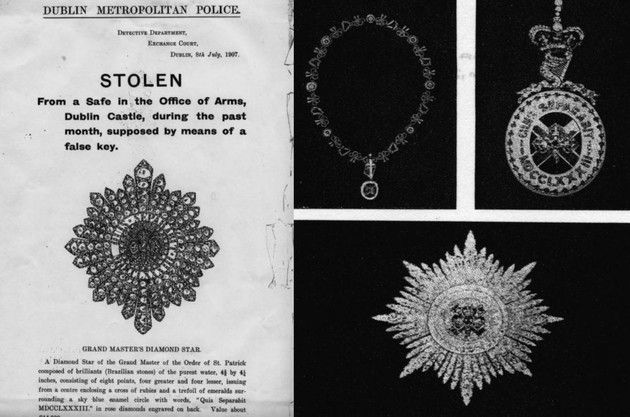
What had gone was the most valuable set of insignia in Ireland: the star and badge of the Grand Master of the Order of St Patrick, made in 1831 from several hundred gems out of the old royal jewels, mostly Brazilian diamonds with rubies and emeralds forming the cross and shamrock. The Lord Lieutenant wore them on state occasions. Their combined value was put at about £30,000. With them went the gold collars of five knights of the order and some family jewels belonging to Vicars himself.
The timing was humiliating. King Edward VII and Queen Alexandra were due in Dublin four days later to visit the Irish International Exhibition, and a new knight was to be invested in the order during the visit. The visit went ahead, but the ceremony was cancelled, and the king was reported to be furious.
The custody arrangements, it soon emerged, had been loose for years. When the Office of Arms moved into the Bedford Tower of the castle in 1903, the new safe proved too large for the door of the strongroom and was left in the library instead. Seven latchkeys to the office were in circulation among the staff. Vicars kept both safe keys but was known to entertain in the office and was said to have been careless with them. The jewels were last seen in the safe on 11 June 1907.
Dublin police issued posters describing the regalia, and Detective Chief Inspector John Kane came over from Scotland Yard on 12 July. His report was never published. Vicars refused to resign and pointed the finger at his own deputy, Francis Shackleton, Dublin Herald and brother of the explorer Ernest Shackleton. Kane told the later inquiry that he did not believe Shackleton was involved.
The government's answer was a viceregal commission chaired by Judge James Johnston Shaw, which sat from 10 January 1908. Vicars, wanting a public royal commission with power to compel witnesses, refused to take part. The commission was not asked to find a thief. Its report, published on 25 January 1908, cleared Shackleton and found that Vicars had not exercised due vigilance or proper care as custodian of the regalia. He was removed from office within days, and his staff were dismissed with him.
No one was ever charged. Rumour filled the space. Irish nationalist MPs accused the government of hushing up a scandal, and some alleged that police inquiries had uncovered homosexual parties at the castle among officials and army officers which ministers wanted kept quiet. In 1908 the nationalist journalist Bulmer Hobson, using information from Vicars's half-brother, published a claim in an American newspaper that Shackleton and an army officer, Richard Gorges, had got Vicars drunk, taken the key, and sold the jewels in Amsterdam. None of this was tested in court, and the regalia have never surfaced.
Timeline
New diamond regalia for the Grand Master of the Order of St Patrick, made from royal jewels, are delivered to Dublin.
The Office of Arms moves to the Bedford Tower in Dublin Castle; the new safe will not fit the strongroom door and is placed in the library.
The Lord Lieutenant wears the regalia for the last time, at a St Patrick's Day function.
Vicars shows the jewels to a visitor; this is the last time they are known to have been in the safe.
The regalia, five knights' collars and some of Vicars's family jewels are found to be missing.
Edward VII and Queen Alexandra begin their visit to Dublin; the planned investiture in the order is cancelled.
Detective Chief Inspector John Kane of Scotland Yard arrives to join the investigation.
The viceregal commission under Judge Shaw opens its hearings; Vicars refuses to attend.
The commission's report clears Shackleton and blames Vicars for a lack of vigilance.
Vicars wins £5,000 libel damages from a London newspaper over an invented story that a mistress had stolen the jewels.
Vicars wins £5,000 libel damages from the London Mail over an invented story that a mistress had stolen the jewels.
Vicars is shot dead by the IRA outside his home at Kilmorna, County Kerry.
When the Genealogical Office leaves the Bedford Tower, walls and floors are opened in case the jewels were hidden there; nothing is found.
People in the case
-
Sir Arthur Vicars Also involved
27 July 1862 – 14 April 1921
Ulster King of Arms and custodian of the regalia; censured by the 1908 commission and removed from office, he protested his innocence for the rest of his life. Shot dead by the IRA at Kilmorna, County Kerry, in 1921.
-
Francis Shackleton Suspect
1876 – 24 June 1941
Dublin Herald and Vicars's deputy, brother of the explorer Ernest Shackleton. Accused by Vicars and later by Bulmer Hobson; cleared by the 1908 commission. Later jailed for fraud in an unrelated case.
-
Richard Gorges Suspect
1876 – 1944
Army officer named by Hobson as Shackleton's accomplice; never charged over the jewels. Convicted in 1915 of killing a police officer in London.
-
John Kane Investigator
Scotland Yard detective chief inspector sent to Dublin on 12 July 1907; his report was never released.
-
James Johnston Shaw Judge
1845 – 1910
Judge who chaired the 1908 viceregal commission into the loss of the regalia.
-
Bulmer Hobson Also involved
14 January 1883 – 8 August 1969
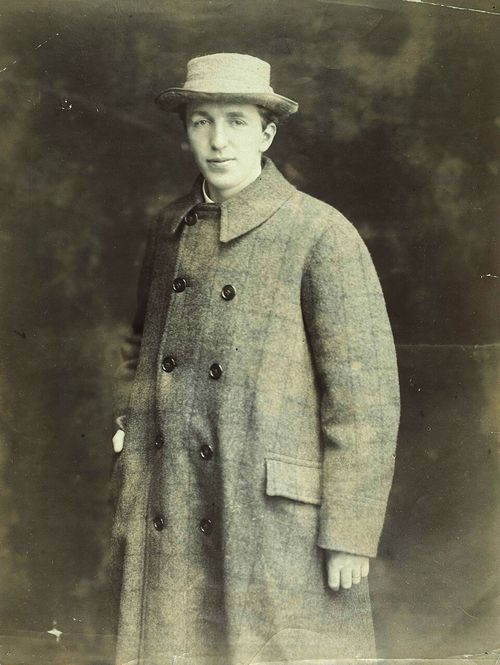
Irish nationalist journalist who in 1908 published the claim that Shackleton and Gorges took the jewels; he repeated it later in life.
-
Pierce O'Mahony Also involved
9 June 1850 – 31 October 1930
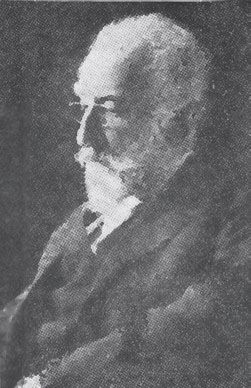
Vicars's half-brother, the source of Hobson's information.
Where it happened
- Dublin Castle. Seat of British administration in Ireland; the Office of Arms in its Bedford Tower held the safe from which the regalia were taken.
Outcome
Unsolved Unsolved
No one was arrested or charged. A viceregal commission in January 1908 inquired only into the custody of the regalia, cleared Francis Shackleton, and found Sir Arthur Vicars negligent, after which he was removed from office. The jewels have never been recovered.
What the record settles, and what it doesn't
Established
- The star and badge of the Grand Master of the Order of St Patrick were discovered missing from the safe in the Office of Arms at Dublin Castle on 6 July 1907.
- The collars of five knights of the order and some of Sir Arthur Vicars's own family jewels were taken at the same time.
- The safe was found unlocked rather than forced, and Vicars held both of its keys.
- The theft was discovered four days before a royal visit to Dublin, and an investiture planned for the visit was cancelled.
- A viceregal commission in January 1908 cleared Francis Shackleton and found Vicars had failed to take proper care of the regalia; Vicars was then removed as Ulster King of Arms.
- No one has ever been charged, and the jewels have never been recovered.
Disputed
- Who took the jewels: Vicars blamed his deputy Francis Shackleton; Bulmer Hobson claimed Shackleton and Richard Gorges did it together; the commission cleared Shackleton, and no evidence against either was ever tested in court.
- Whether there was a cover-up: Irish MPs and later writers argued that the investigation was stifled to keep a sexual scandal involving castle officials out of the courts; ministers denied it, and some historians think the police simply lacked evidence.
- Political motives: theories over the years have blamed Irish republicans, unionists trying to embarrass the Liberal government, and a mistress of Vicars; the last was admitted in court in 1913 to be baseless.
- Whether the jewels survived: a 1927 Irish government memo suggested they could be bought back for a few thousand pounds, but this may reflect an offer made back in 1908; folklore at the Office of Arms held they never left the building.
Pictures


Afterwards
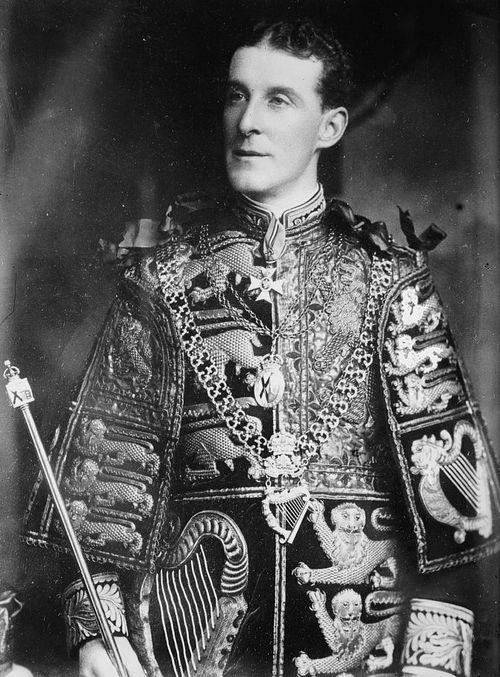
Vicars retired to Kilmorna House in County Kerry and never stopped insisting he had been made a scapegoat; his will repeated the charge. On 14 April 1921, during the War of Independence, armed men took him from the house, set it alight and shot him dead. Shackleton went on to defraud acquaintances, was jailed for fraud, and lived out his life under another name as an antiques dealer in Chichester, dying in 1941. Gorges was convicted in 1915 of killing a London police officer, Detective Constable Arthur Young, and died in 1944.
The Order of St Patrick itself faded after Irish independence and has had no living knights for decades. The theft has outlasted it as Ireland's best-known unsolved crime, and the empty safe still turns up in novels and Sherlock Holmes pastiches. When the Genealogical Office, successor to the Office of Arms, moved out of the Bedford Tower in 1983, its staff took up floorboards just in case.
Questions readers ask
Were the Irish Crown Jewels ever found?
No. The regalia stolen from Dublin Castle in 1907 have never been recovered, and no one was ever charged with the theft.
What were the Irish Crown Jewels?
Not a crown, but the diamond star and badge worn by the Grand Master of the Order of St Patrick, made in 1831 from gems out of the royal jewel collection. They were described as crown jewels in the order's statutes from 1905.
Who was suspected of stealing the Irish Crown Jewels?
Suspicion fell mainly on Francis Shackleton, the Dublin Herald, and the army officer Richard Gorges, but neither was charged and an official commission cleared Shackleton. Sir Arthur Vicars, the custodian, was blamed for negligence rather than theft.
Sources and further reading
- Irish Crown Jewels (Wikipedia)
- The Theft of the Irish Crown Jewels, 1907 (History Ireland)
- Arthur Vicars (Wikipedia)
- The Theft of the Irish 'Crown Jewels' (National Archives of Ireland)
- Report of the Viceregal Commission, Cd. 3906 (1908), Internet Archive
- Wikidata Q1232202 (life dates checked here)
Written by Sinister Crimes from the sources above; see our editorial standards. Last checked 1 November 2026.