

The case
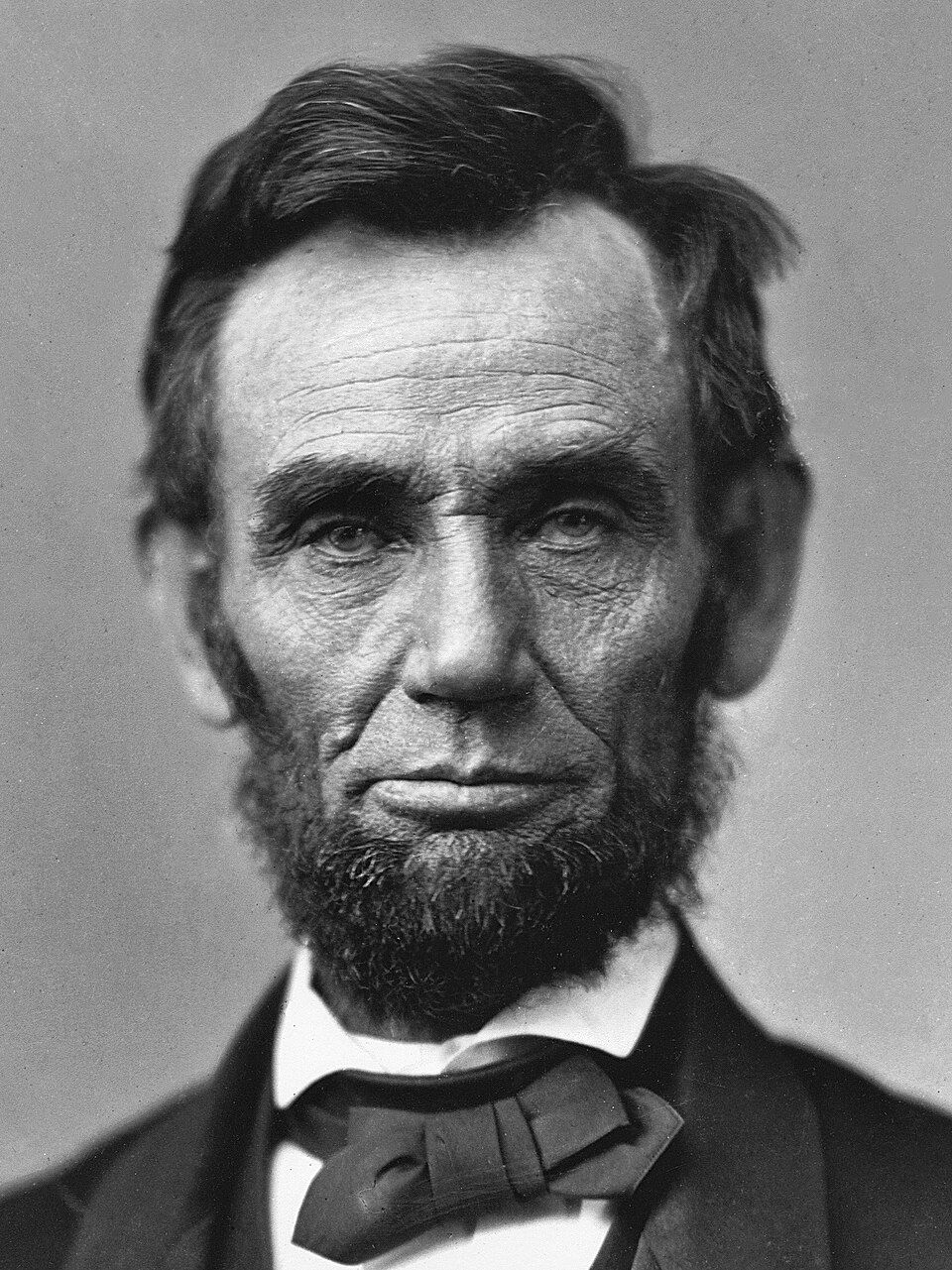
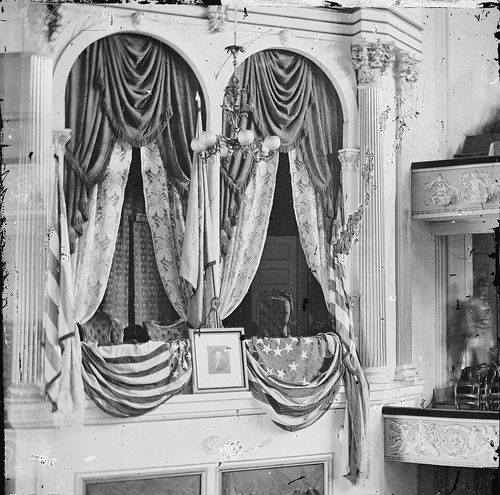
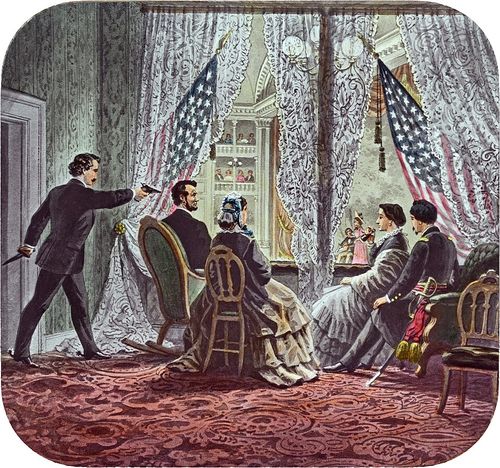
The line that drew the biggest laugh in Our American Cousin came late in the third act, and John Wilkes Booth knew exactly when it would arrive. He had acted at Ford's Theatre, he knew the building, and the stagehands knew him. On the night of Good Friday, April 14, 1865, five days after Lee's surrender at Appomattox, he walked up to the door of the presidential box, was let through, and wedged the outer door shut behind him. As the audience laughed, he stepped in and fired a single-shot derringer into the back of Abraham Lincoln's head.
Booth was twenty-six, handsome, famous and a committed Confederate partisan. Through the winter he had gathered a small circle of helpers, most of them drawn from the Washington boarding house of Mary Surratt, with a scheme to kidnap Lincoln and trade him for Confederate prisoners. A March attempt came to nothing when Lincoln changed his plans. With the Confederacy collapsing, Booth turned to murder. Lincoln's speech of April 11, which raised the idea of votes for some Black men, seems to have hardened his resolve.
The plan was for three blows at once. Booth would kill the president; Lewis Powell, guided by David Herold, would kill Secretary of State William Seward at his home on Lafayette Square; George Atzerodt would kill Vice President Andrew Johnson at the Kirkwood House hotel. Only Booth carried out his part. Powell talked his way into Seward's house, where the secretary lay in bed recovering from a carriage accident, and stabbed him repeatedly, wounding several of the household as well; Seward survived. Atzerodt lost his nerve, drank at the hotel bar and wandered off into the night.
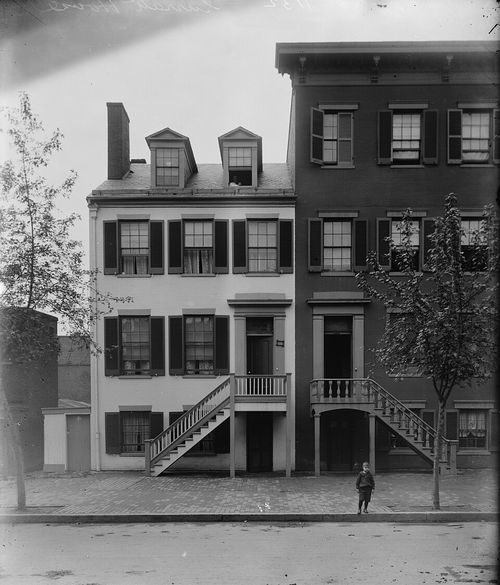
In the box, Major Henry Rathbone grappled with Booth and was slashed across the arm. Booth vaulted to the stage, caught a spur on the flag draping the box and landed badly, then shouted to the house, most witnesses said, the Virginia motto "Sic semper tyrannis." He escaped through the back door to a waiting horse. Army surgeon Charles Leale reached the president within minutes and judged the wound mortal. Soldiers carried Lincoln across Tenth Street to the house of a tailor, William Petersen, where he lay diagonally across a bed too short for him. He died there at 7:22 the next morning, April 15.
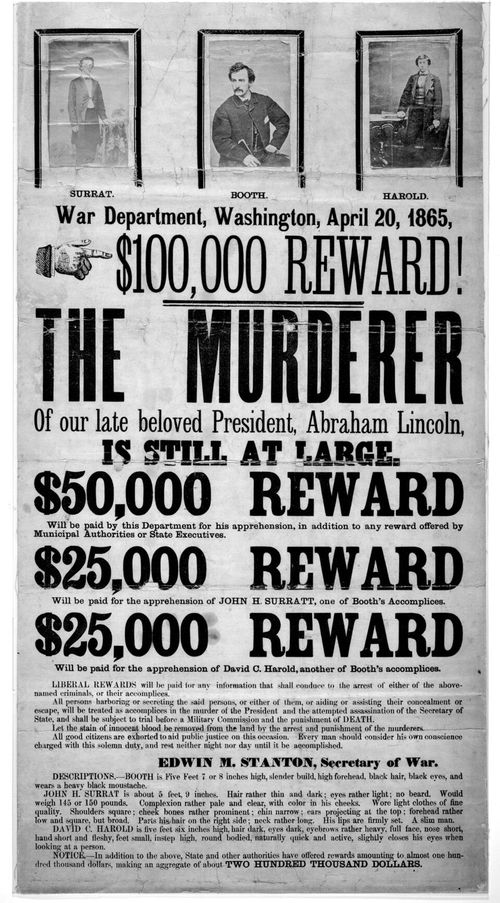
Booth crossed the Navy Yard Bridge into Maryland that night, met Herold, and stopped before dawn at the farm of Dr. Samuel Mudd, who set his broken leg. Confederate sympathizers then hid the pair in the pine woods near Zekiah Swamp for days before they could cross the Potomac. Secretary of War Edwin Stanton, who effectively ran the government from the Petersen house through the night, directed a manhunt of thousands of soldiers and offered $50,000 for Booth.
On April 26 a detachment of the 16th New York Cavalry surrounded a tobacco barn on Richard Garrett's farm in King George County, Virginia. Herold surrendered. Booth refused, the soldiers set the barn alight, and Sergeant Boston Corbett shot him through the neck. He died on the farmhouse porch a few hours later.
Eight people were tried together before a military commission that opened on May 9. The government argued that the attack was an act of war in a city under martial law; critics, including members of Lincoln's own cabinet, held that the civilian courts were open and should have heard it. After seven weeks and more than three hundred witnesses, all eight were convicted of some offence. Mary Surratt, Powell, Herold and Atzerodt were hanged together in the yard of the Old Arsenal Penitentiary on July 7, 1865. Mudd, Samuel Arnold and Michael O'Laughlen received life terms, and the stagehand Edmund Spangler six years.
The victims
Abraham Lincoln was fifty-six, the son of a Kentucky farmer who had taught himself law in New Salem and Springfield, Illinois, and become the sixteenth president in 1861. He had steered the Union through four years of civil war and issued the Emancipation Proclamation, and he had been inaugurated for a second term only six weeks before his death. That evening was meant as a rare night off; his wife, Mary Todd Lincoln, was holding his hand in the box when Booth fired.
Others paid for the plot too. William Seward, the secretary of state, carried facial scars for the rest of his life; his son Frederick was left with a fractured skull after Powell struck him with a pistol, and the soldier George Robinson, the son Augustus and the messenger Emerick Hansell were all stabbed. Henry Rathbone, who fought Booth in the box, never recovered his peace of mind; he later married Clara Harris, who had sat beside him that night, and killed her in Germany in 1883, dying himself in an asylum.
Timeline
A plan to kidnap Lincoln on the road to a hospital performance collapses when he changes his schedule.
Robert E. Lee surrenders the Army of Northern Virginia at Appomattox Court House.
Booth hears Lincoln speak from the White House about extending the vote to some Black men.
Booth shoots Lincoln at Ford's Theatre; at about the same time Powell attacks Seward at his home.
Lincoln dies at 7:22 a.m. in the Petersen house; Andrew Johnson is sworn in as president that morning.
Booth and Herold reach Samuel Mudd's farm before dawn and have Booth's leg set.
Mary Surratt is arrested at her boarding house; Powell arrives during the search and is detained.
Atzerodt is arrested at a cousin's farm near Germantown, Maryland.
Cavalry trap Booth and Herold in a barn on the Garrett farm; Herold surrenders and Booth is shot and dies.
The military commission trying eight accused conspirators opens in Washington.
Mary Surratt, Lewis Powell, David Herold and George Atzerodt are hanged at the Old Arsenal Penitentiary.
John Surratt, captured in Egypt the previous year, is tried by a civilian jury, which fails to agree; he is never retried.
President Johnson pardons Samuel Mudd; Arnold and Spangler are pardoned the following month.
People in the case
-
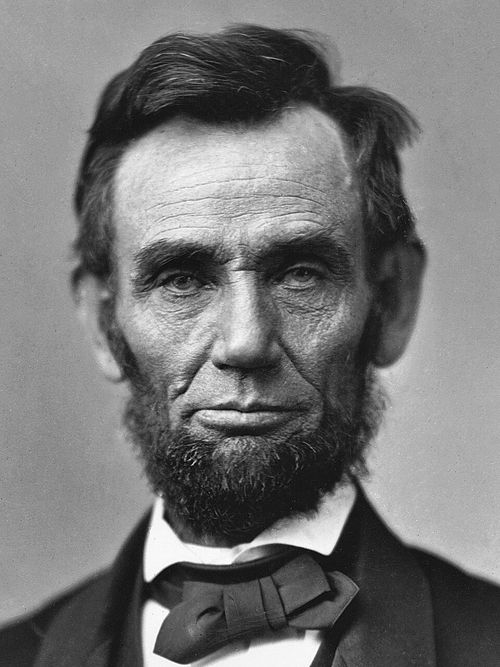
Abraham Lincoln Victim
12 February 1809 – 15 April 1865
Sixteenth president of the United States; shot at Ford's Theatre and died the next morning in the Petersen house.
-
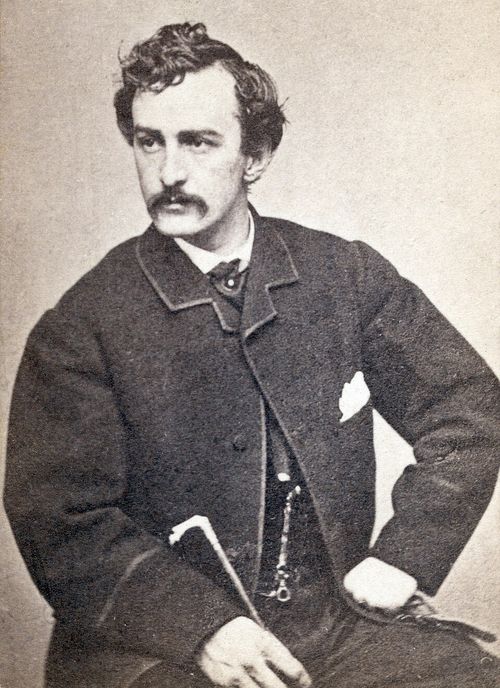
John Wilkes Booth Perpetrator
10 May 1838 – 26 April 1865
Stage actor from a celebrated Maryland theatrical family and a Confederate sympathizer; shot Lincoln and was killed twelve days later at the Garrett farm.
-
Lewis Powell Accomplice
22 April 1844 – 7 July 1865
Former Confederate soldier, also known as Lewis Paine; attacked William Seward and members of his household. Hanged.
-
David Herold Accomplice
16 June 1842 – 7 July 1865
Guided Powell to Seward's house, then rode with Booth through Maryland and Virginia; surrendered at the Garrett barn. Hanged.
-
George Atzerodt Accomplice
12 June 1835 – 7 July 1865
Prussian-born carriage painter assigned to kill Vice President Johnson; made no attempt. Hanged.
-
Mary Surratt Accomplice
1823 – 7 July 1865
Kept the H Street boarding house where the conspirators met; convicted on testimony that she had told a tenant to have guns ready for Booth. The first woman executed by the US federal government. Birth year given as 1820 or 1823 in different sources.
-
Samuel Mudd Accomplice
20 December 1833 – 10 January 1883
Maryland doctor who set Booth's broken leg; convicted and sentenced to life, pardoned in 1869. How much he knew remains argued over. Death date given as January 9 or 10, 1883.
-
William H. Seward Victim
16 May 1801 – 10 October 1872
Secretary of state; survived Powell's knife attack and served on under Andrew Johnson.
-
Edwin Stanton Investigator
19 December 1814 – 24 December 1869
Secretary of war; directed the government response and the hunt for Booth from the Petersen house.
-
Henry Rathbone Witness
1 July 1837 – 14 August 1911
Army officer and guest in the presidential box; wounded struggling with Booth.
Where it happened
- Ford's Theatre, 511 Tenth Street NW. Where Lincoln was shot in the presidential box; now a working theatre and National Park Service site.
- Petersen House. The boarding house across Tenth Street where Lincoln died; preserved as part of the Ford's Theatre site.
- Old Arsenal Penitentiary (now Fort Lesley J. McNair). Site of the military trial and of the hanging of four conspirators on July 7, 1865.
Outcome
Executed Four hanged; four imprisoned
Booth was killed before he could be tried. A nine-member military commission convicted all eight defendants at the end of June 1865: Mary Surratt, Lewis Powell, David Herold and George Atzerodt were sentenced to death and hanged on July 7, despite a clemency recommendation for Surratt signed by five of the judges. Samuel Mudd, Samuel Arnold and Michael O'Laughlen were sentenced to life and Edmund Spangler to six years; O'Laughlen died of yellow fever at Fort Jefferson in 1867 and the other three were pardoned in 1869. John Surratt's civilian trial in 1867 ended in a hung jury.
What the record settles, and what it doesn't
Established
- John Wilkes Booth shot Abraham Lincoln in the presidential box at Ford's Theatre on the night of April 14, 1865, and Lincoln died the next morning.
- The attack was one part of a coordinated plan that also targeted Secretary of State William Seward and Vice President Andrew Johnson.
- Lewis Powell stabbed Seward in his bed, but Seward survived; George Atzerodt never attempted to attack Johnson.
- The conspiracy grew out of an earlier, failed plan to kidnap Lincoln and exchange him for Confederate prisoners.
- Booth was shot and killed by Sergeant Boston Corbett at the Garrett farm in Virginia on April 26, 1865, after refusing to surrender.
- A military commission, not a civilian court, tried the eight accused, and four of them were hanged on July 7, 1865.
- Mary Surratt was the first woman executed by the United States federal government.
Disputed
- Mary Surratt's guilt: the prosecution relied heavily on two witnesses, John Lloyd and Louis Weichmann, and some historians think she knew of the kidnapping plot but not the murder, while others see her as a knowing participant.
- Samuel Mudd's role: his defenders say he was a country doctor who set a stranger's leg; others point to his earlier meetings with Booth and his delay in telling the authorities.
- Whether a military commission had any right to try civilians while the civil courts in Washington were open; the Supreme Court's 1866 Ex parte Milligan ruling later restricted such trials.
- What Booth shouted from the stage: most witnesses heard "Sic semper tyrannis," but accounts of the exact words, and when he said them, conflict.
- Whether Confederate leaders or agents knew of or directed the plot; the government charged that they did, but no direct order has ever been proved.
- Claims that Booth escaped and someone else died at the Garrett farm are rejected by historians; the body was identified by people who knew him.
Pictures





Afterwards
Lincoln's body lay in the East Room of the White House and then traveled home to Springfield, Illinois, by a funeral train that retraced, in reverse, much of his 1861 journey to Washington; crowds lined the 1,700-mile route. Andrew Johnson inherited the presidency and the fight over Reconstruction. The theatre was closed by the government and later used as offices; after decades as a museum it reopened as a working playhouse in 1968, and the Petersen house is kept as it was.
The trial left a long legal shadow. Within a year the Supreme Court held that military tribunals could not try civilians where the civil courts were functioning, and the case is still cited in debates about military commissions. Mudd's descendants campaigned for more than a century to clear his name without success. Booth's escape legends, the clemency letter Johnson said he never saw, and the missing pages of Booth's diary have kept the case alive in popular history ever since.
Questions readers ask
Who killed Abraham Lincoln?
John Wilkes Booth, a well-known actor and Confederate sympathizer, shot Lincoln at Ford's Theatre in Washington on April 14, 1865. Lincoln died the next morning.
What happened to John Wilkes Booth?
Booth fled through Maryland into Virginia and was cornered in a barn on the Garrett farm on April 26, 1865. He refused to surrender and was shot by Sergeant Boston Corbett, dying a few hours later.
How many Lincoln conspirators were hanged?
Four: Mary Surratt, Lewis Powell, David Herold and George Atzerodt, all hanged on July 7, 1865. Four others were imprisoned, and three of them were pardoned in 1869.
Was Mary Surratt guilty?
A military commission convicted her of conspiracy, mainly on the evidence of two men who lived in or rented her property. Historians still disagree on how much she knew, and five of her judges asked that her sentence be commuted.
Sources and further reading
- Assassination of Abraham Lincoln (Wikipedia)
- Mary Surratt (Wikipedia)
- Samuel Mudd (Wikipedia)
- Ford's Theatre National Historic Site (National Park Service)
- Wikidata Q1025404 (life dates checked here)
Written by Sinister Crimes from the sources above; see our editorial standards. Last checked 1 November 2026.