

The case
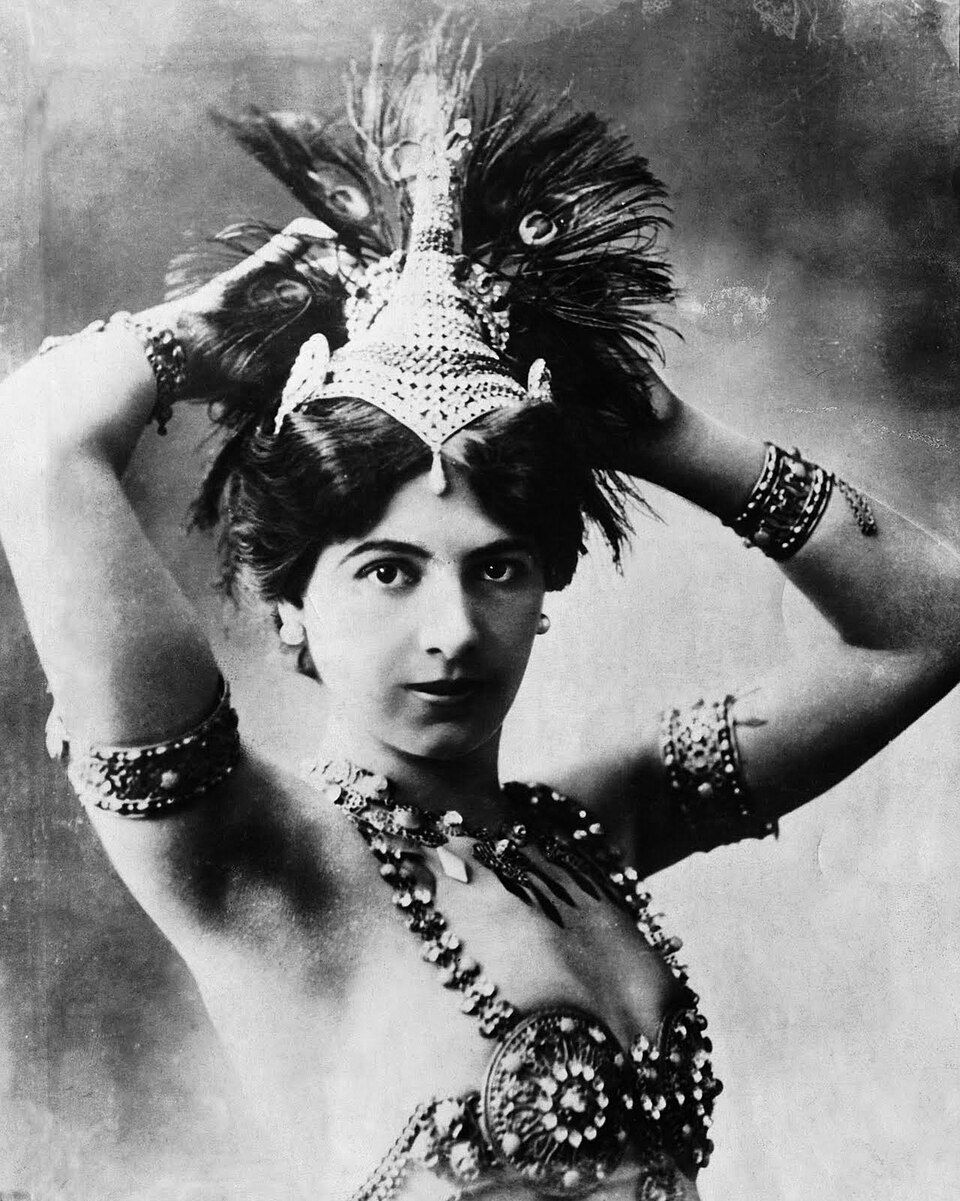
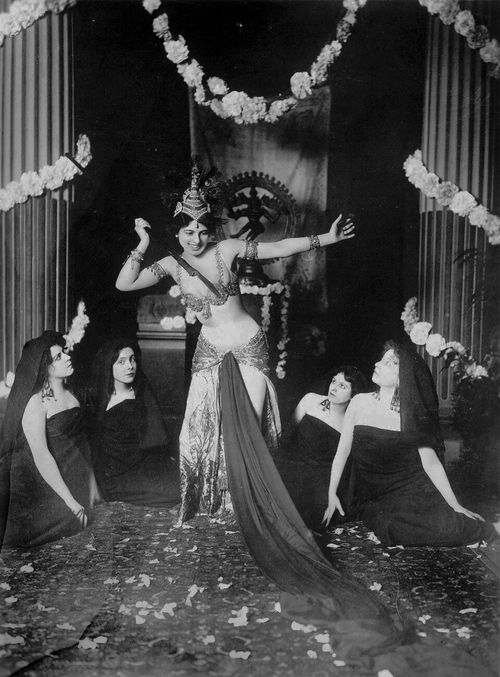
On the morning of 13 February 1917, French police went to the Élysée Palace hotel on the Champs-Élysées and arrested a Dutch woman of forty named Margaretha MacLeod. Most of Europe knew her as Mata Hari. She had come to Paris in 1903 with almost nothing, and by 1905 was dancing in a jewelled costume in the library of the Musée Guimet, billed as an initiate of the temple dances of Java. The act made her famous. The persona was invented: she was born Margaretha Zelle in Leeuwarden in 1876, the daughter of a hatter.
Her early life had been hard. Her father's business failed, her mother died, and at eighteen she married Rudolf MacLeod, an officer in the Dutch colonial army twenty years her senior, whom she met through a newspaper advertisement. In the Dutch East Indies the marriage was violent and unhappy, their infant son died, and after their return to the Netherlands the couple separated in 1902. Although she was granted custody of their daughter, the girl ended up in her father's care. By the time war broke out in 1914 her career as a dancer was fading and she lived largely as a courtesan, moving between the capitals of Europe and men of rank in several armies.
Holland was neutral, so she could travel. In 1915 or the spring of 1916, while she was living in The Hague, a German consular official, named in accounts as Kroemer or Cramer, gave her 20,000 francs and bottles of invisible ink and asked her to gather information in Paris; German records gave her the agent number H-21. She later said she had taken the money as compensation for furs and luggage seized in Berlin at the outbreak of war, and had thrown the ink away.
In Paris in the summer of 1916 she fell in love with Vadim Maslov, a young Russian captain serving in France. When he was wounded and treated near Vittel, behind the front, she needed a pass to visit him. The officer who could arrange it, Captain Georges Ladoux of French counter-intelligence, proposed that she spy for France instead, and she agreed, naming a fee of a million francs that was never paid. The idea was that she would exploit her pre-war acquaintance with the German crown prince.
In late 1916 she travelled to Madrid, where she cultivated the German military attaché, Major Arnold Kalle, and passed what she learned to the French. From December, Kalle sent a series of radio messages to Berlin about agent H-21 in a code the French were known to read, and with details that pointed straight at her. Many historians think the Germans had decided she was useless and were deliberately exposing her. French intelligence intercepted the messages and treated them as proof.
She was questioned for months in the Saint-Lazare women's prison by the examining magistrate Pierre Bouchardon, who regarded her as a born spy. Her trial before the Third Council of War in Paris on 24 and 25 July 1917 was held behind closed doors. Her elderly counsel, Édouard Clunet, had only a week to read the file. Maslov, questioned during the investigation, distanced himself from her, and the news broke her. The prosecution, led by André Mornet, presented her as a spy whose work had cost many lives. After a short deliberation the seven judges convicted her unanimously on all eight charges and sentenced her to death. France was reeling from the failed spring offensive and mutinies in its army that summer, and the press made much of the case.
President Raymond Poincaré declined to pardon her. Before dawn on 15 October 1917 she was taken to the military ground at Vincennes, outside Paris, and shot by a firing squad of twelve soldiers. Witnesses said she refused a blindfold.
The victims
No victim of Mata Hari's espionage has ever been identified. The prosecution claimed that information she gave Germany had cost the lives of thousands of soldiers, but it produced no evidence of any specific secret she passed on or any harm it caused, and historians who have examined the files, including those released by France in 2017, have found none. The information she gave the Germans appears to have been gossip and material available in newspapers.
The person who lost most in the case was arguably Mata Hari herself, along with her daughter Jeanne, who died in 1919 at the age of twenty-one.
Timeline
Margaretha Geertruida Zelle is born in Leeuwarden in the Netherlands.
She marries the colonial army officer Rudolf MacLeod in Amsterdam.
She makes her name as 'Mata Hari' with a performance at the Musée Guimet in Paris.
In The Hague, a German consular official pays her 20,000 francs to gather information; German files designate her H-21.
Seeking a pass to visit her wounded lover Vadim Maslov, she agrees to spy for Captain Georges Ladoux of French counter-intelligence.
British officers detain her at Falmouth and question her at Scotland Yard, then let her go to Spain.
In Madrid she meets the German attaché Arnold Kalle, whose coded messages about H-21 are read by French intelligence.
She is arrested at the Élysée Palace hotel in Paris and imprisoned at Saint-Lazare.
Her two-day trial before the Third Council of War opens in Paris behind closed doors.
The court-martial convicts her unanimously and sentences her to death.
She is shot by firing squad at Vincennes after President Poincaré refuses clemency.
The French army releases the sealed case files a century after her execution.
People in the case
-
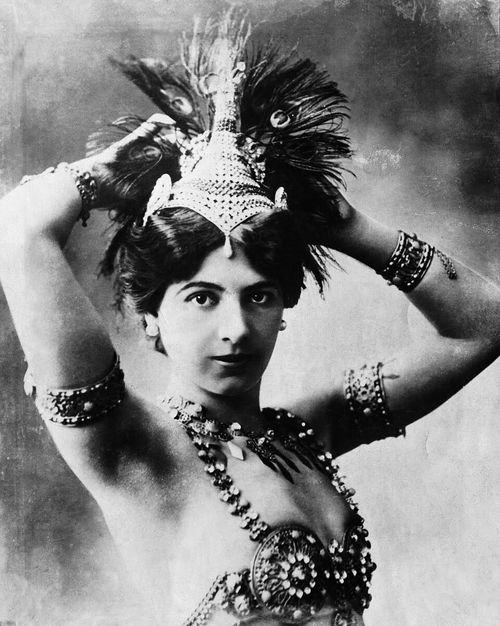
Mata Hari (Margaretha Zelle MacLeod) Accused
7 August 1876 – 15 October 1917
Dutch dancer and courtesan; convicted by a French court-martial of espionage for Germany and shot at Vincennes.
-
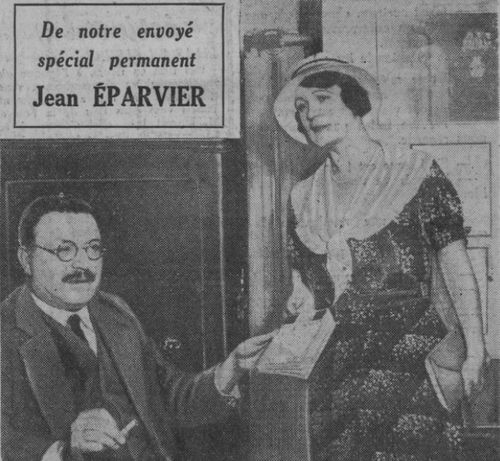
Georges Ladoux Investigator
21 March 1875 – 20 April 1933
Head of French counter-espionage who recruited her for France and then became one of her chief accusers.
-
Pierre Bouchardon Investigator
9 April 1870 – 10 November 1950
Military examining magistrate who questioned her in prison and wrote the report that sent her to trial.
-
André Mornet Prosecutor
5 January 1870 – ?
Prosecutor at the court-martial; decades later he reportedly admitted there had been little evidence against her.
-
Édouard Clunet Defence
1845 – 1922
Veteran international lawyer and former lover who defended her and sought clemency.
-
Vadim Maslov Witness
Russian officer serving in France, born about 1894; the man she called the love of her life.
-
Arnold Kalle Also involved
German military attaché in Madrid whose radio messages about agent H-21 identified her to the French.
-
Basil Thomson Investigator
21 April 1861 – 26 March 1939
Scotland Yard counter-espionage chief who interviewed her in London in November 1916.
Where it happened
- Kelders 33, Leeuwarden. Her birthplace, above her father's hat shop; now a small museum about her.
- Former Élysée Palace hotel, 103 avenue des Champs-Élysées. Hotel where she was arrested on 13 February 1917; the building now houses offices.
- Vincennes. She was executed on the military ground near the Château de Vincennes, east of Paris. Coordinates are for the château.
Outcome
Executed Convicted and executed
She was tried by the Third Council of War, a military court sitting in Paris, on 24 and 25 July 1917, on eight charges of espionage and intelligence with the enemy. The court convicted her unanimously and sentenced her to death. Her appeals failed, President Poincaré refused clemency, and she was shot at Vincennes on 15 October 1917. A request to reopen the case, filed in 2001 on behalf of her home town, was rejected.
What the record settles, and what it doesn't
Established
- Margaretha Zelle, known as Mata Hari, was a Dutch dancer and courtesan whose Javanese stage persona was invented.
- She accepted 20,000 francs from a German official in the Netherlands in 1916 and was designated agent H-21 in German files.
- She also agreed in 1916 to work for French counter-intelligence under Captain Georges Ladoux.
- Messages from the German attaché in Madrid about H-21, intercepted and decoded by the French, were the core of the case against her.
- She was arrested on 13 February 1917, convicted by a French military court on 25 July 1917, and executed by firing squad at Vincennes on 15 October 1917.
- She maintained to the end that she had never spied against France.
Disputed
- Whether she gave Germany anything of military value: the prosecution said her information cost many lives, while most modern historians conclude she passed on little or nothing beyond gossip.
- Why the Germans sent messages about her in a code they knew the French could read: many historians think they meant to expose an agent who had proved useless, others that it was routine carelessness.
- Whether French counter-intelligence used her as a scapegoat during the crisis of 1917, and how far Ladoux shaped or altered the evidence against her; Ladoux was himself arrested in early 1918 on suspicion of spying for Germany, and released a year later.
- Whether she received German espionage training, as some later German accounts claimed and others dismiss.
- Details of her execution, such as what she wore and whether she blew a kiss to the firing squad, differ between eyewitness and later accounts.
Pictures

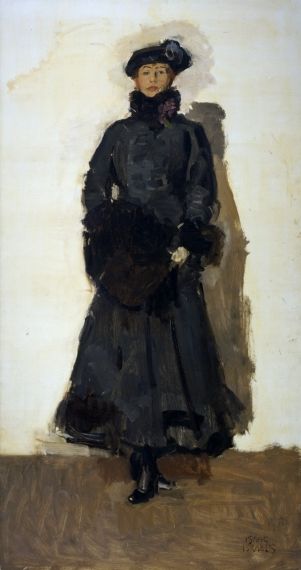

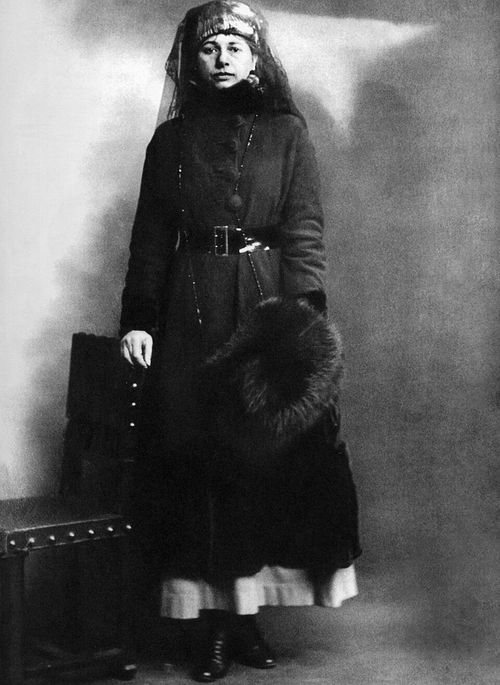

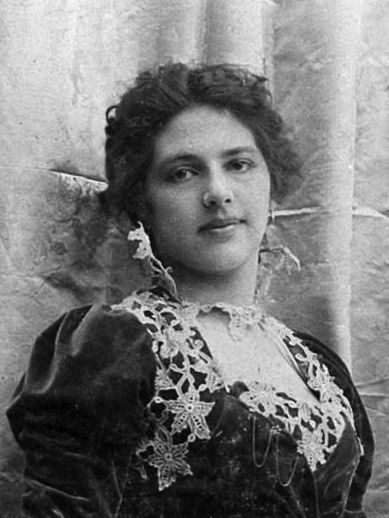


Afterwards
No one claimed her body, which was given to a Paris medical school; her head was later kept in an anatomy museum and was found to be missing in 2000. Ladoux published memoirs presenting her as a dangerous agent. Within three years the first film about her had appeared, and Greta Garbo's 1931 portrayal fixed the image of the seductive spy that her name still carries.
At Leeuwarden, the Fries Museum holds her scrapbooks and mounted a large exhibition on the centenary of her death in 2017, the same year France released her case files. A petition to reopen the case, brought in 2001 by a foundation in her name and the city of Leeuwarden, was turned down by the French justice ministry. Her guilt remains formally on the record; her importance as a spy is now widely doubted.
Questions readers ask
Was Mata Hari really a spy?
She took money from German intelligence and agreed to work for French intelligence, so in a narrow sense she was recruited by both. There is little evidence she gave either side anything of value, and many historians regard her conviction as unjust.
Why was Mata Hari executed?
A French military court found her guilty of spying for Germany, largely on the basis of intercepted German messages about an agent called H-21. France in 1917 was suffering heavy losses and army mutinies, and her trial came at a moment when the authorities were eager to be seen catching spies.
What does Mata Hari mean?
It is a Malay phrase meaning 'eye of the day', that is, the sun. She adopted it as her stage name while living in the Dutch East Indies.
Has Mata Hari been pardoned?
No. A request to reopen her case was filed in 2001 and rejected, and her conviction stands.
Sources and further reading
- Mata Hari (Wikipedia)
- Mata Hari (French Wikipedia)
- Mata Hari (Dutch Wikipedia)
- Mata Hari (Wikidata)
- Wikidata Q82180 (life dates checked here)
Written by Sinister Crimes from the sources above; see our editorial standards. Last checked 1 November 2026.