

The case
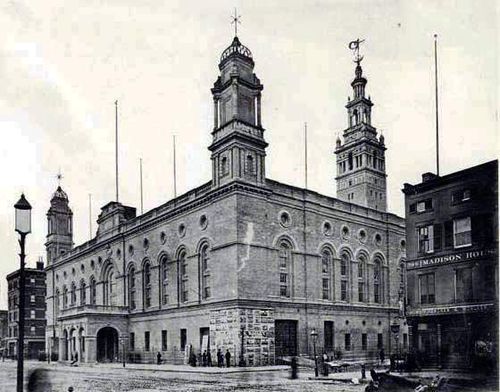
The architect who designed Madison Square Garden died on its roof. On the hot night of June 25, 1906, Stanford White, 52, took his usual table at the open-air roof theater of the Garden for the opening of a musical comedy, Mam'zelle Champagne. Near the end of the show, Harry Kendall Thaw, the heir to a Pittsburgh railroad fortune, who had spent the evening wandering among the tables in a heavy overcoat, walked up to White and shot him three times at close range. White died where he sat. Thaw held the pistol above his head and, according to witnesses, said White had ruined his wife.
His wife was Evelyn Nesbit, a former chorus girl and one of the most photographed artists' models in New York. As a teenager in about 1901 she had become White's protégée and his lover. He was more than thirty years older, married, and paid for the apartment where she lived with her mother. Thaw had pursued Nesbit for years and married her in April 1905. He had long nursed a grudge against White, whom he blamed for his exclusion from the best New York clubs, and after Nesbit told him about the affair the grudge became an obsession. He wrote to anti-vice campaigners about White and came to believe White had hired gangsters to kill him.
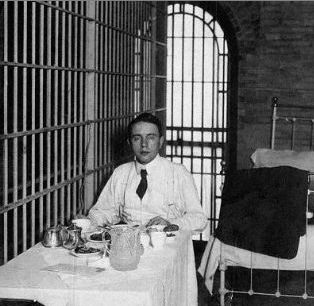
Thaw was charged with first-degree murder. His family was very rich, and his mother, Mary Copley Thaw, spent heavily on lawyers, doctors and publicity. Inside the Tombs prison he ate meals sent in from Delmonico's. District Attorney William Travers Jerome saw the advantage of having Thaw declared insane without a trial, but Mrs. Thaw would not accept a finding of lifelong madness, and the defense settled instead on a claim of temporary insanity, quickly nicknamed "dementia Americana": the derangement of an American husband avenging his wife's honor.
The first trial opened on January 23, 1907, and was among the most heavily reported in American history. Its centerpiece was Nesbit's testimony that White had given her champagne and taken advantage of her when she was sixteen. The jury deliberated for more than forty hours in April and could not agree; seven jurors voted to convict and five to acquit. At a second trial in January 1908, with Martin W. Littleton leading the defense, the argument shifted to Thaw's long history of mental illness. On February 1, 1908, the jury found him not guilty by reason of insanity, and he was committed to the Matteawan State Hospital for the Criminally Insane.
Matteawan did not hold him for long in the usual sense. Thaw lived there in comfort and fought repeatedly for release. In August 1913 he walked out of the hospital and was driven to Canada, where he was arrested in Sherbrooke, Quebec, and eventually deported to the United States. After a long legal battle, a New York jury found him sane in July 1915, and he was freed.
Freedom did not last. In 1916 Thaw was charged with kidnapping and beating a 19-year-old man, Frederick Gump, in a New York hotel. He was found insane again and confined in a Philadelphia asylum until 1924. He spent his last years in Virginia and Florida, published a self-justifying memoir in 1926, and died in Miami in 1947.
The victims
Stanford White was one of the most celebrated architects in the United States. Born in New York in 1853, the son of the critic Richard Grant White, he became a partner in McKim, Mead & White, the firm that shaped the look of Gilded Age America. His work included the Washington Square Arch, the second Madison Square Garden with its tower crowned by Augustus Saint-Gaudens's statue of Diana, the Rhode Island State House, Rosecliff in Newport and many of the grandest town and country houses of the era. He was also a designer of interiors, picture frames and magazine covers, and an energetic patron of artists.
White was married to Bessie Springs Smith and had a son. His private life was more complicated than his public one. He kept apartments where he entertained young women from the theater, and Nesbit's account of their relationship, given under oath at Thaw's trials, has shaped his reputation ever since. His death at the hands of a man whose own record of abuse was far worse turned the trial into a contest over White's character rather than Thaw's guilt.
Timeline
Harry Thaw marries Evelyn Nesbit in Pittsburgh.
Thaw shoots Stanford White dead at the Madison Square Garden roof theater.
Thaw's first murder trial opens in New York.
The jury deadlocks, seven for conviction and five for acquittal.
At the second trial Thaw is found not guilty by reason of insanity and committed to Matteawan.
Thaw escapes from Matteawan and is arrested in Sherbrooke, Quebec, before being deported.
Thaw and Nesbit divorce.
A New York jury declares Thaw sane, and he is released.
Thaw is charged with kidnapping and assaulting Frederick Gump and is again committed as insane.
Thaw is declared sane and freed from a Philadelphia asylum.
Thaw dies in Miami.
People in the case
-
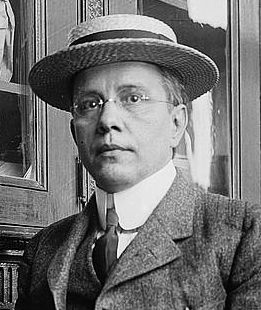
Harry Kendall Thaw Accused
12 February 1871 – 22 February 1947
Pittsburgh millionaire's son who shot White; after one hung jury he was found not guilty by reason of insanity.
-
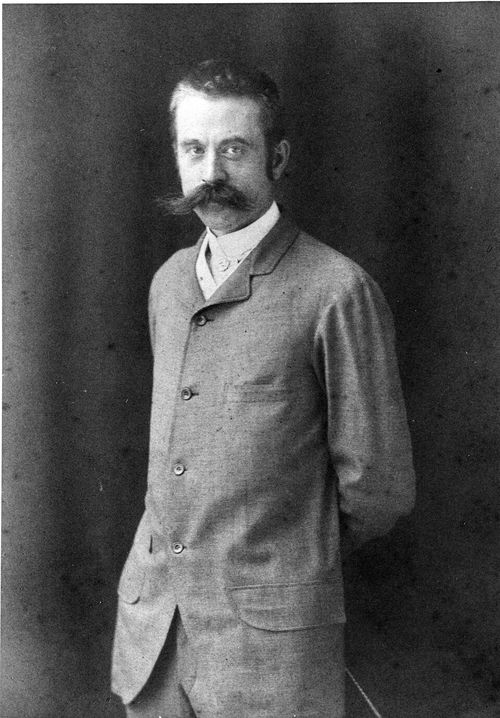
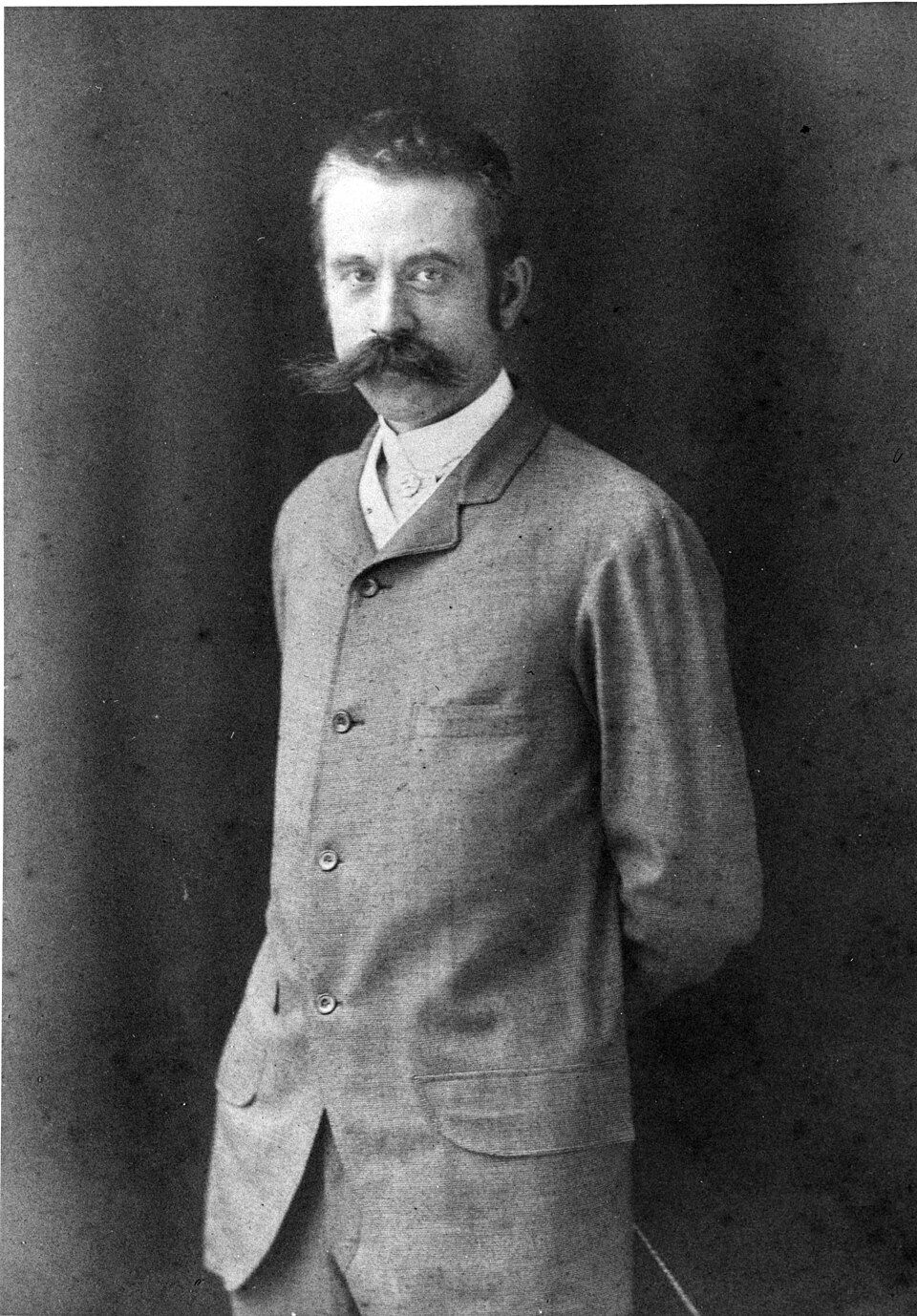
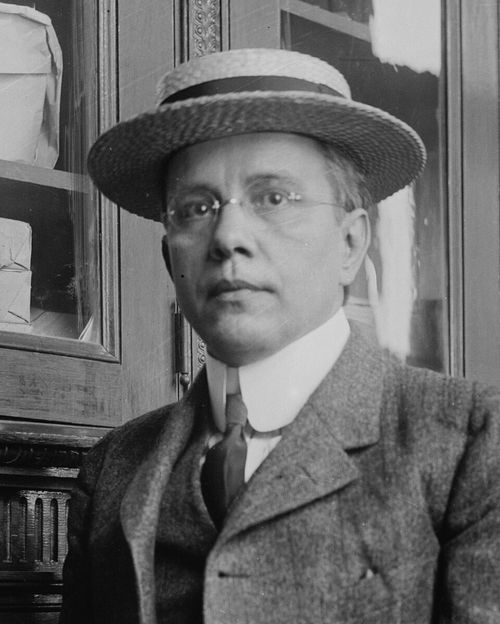
Stanford White Victim
9 November 1853 – 25 June 1906
Architect, partner in McKim, Mead & White and designer of the Madison Square Garden where he was killed.
-
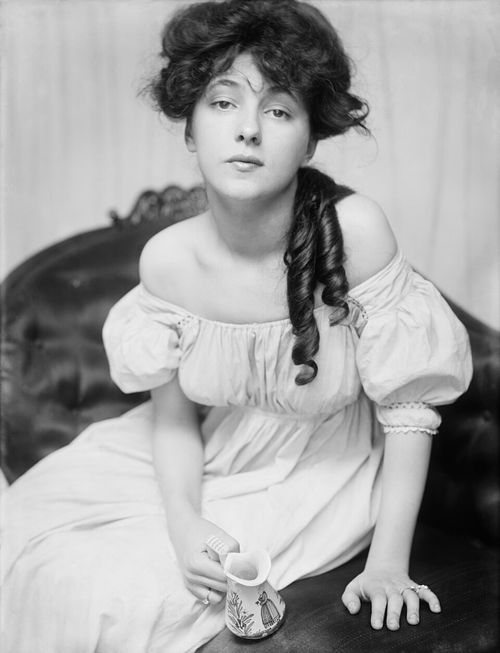
Evelyn Nesbit Witness
25 December 1884 – 17 January 1967
Model and actress, White's former lover and Thaw's wife; her testimony dominated both trials. Her birth year is also given as 1885.
-
William Travers Jerome Prosecutor
18 April 1859 – 13 February 1934
New York County district attorney who prosecuted both trials.
-
Martin W. Littleton Defence
12 January 1872 – 19 December 1934
Led Thaw's defense at the second trial.
-
Mary Copley Thaw Also involved
19 June 1843 – 6 June 1929
Thaw's mother, who directed and financed his defense and later his escape and release campaigns.
Where it happened
- Madison Square Garden (1890), Madison Avenue and 26th Street. White's building, where he was shot on the roof garden; demolished in 1926 and replaced by the New York Life Building.
- Matteawan State Hospital, Fishkill (Beacon), New York. Hospital for the criminally insane where Thaw was committed in 1908 and from which he escaped in 1913.
Outcome
Acquitted Not guilty by reason of insanity
Thaw was tried twice for first-degree murder. The first jury deadlocked in April 1907, seven to five for conviction. On February 1, 1908, a second jury found him not guilty by reason of insanity, and he was committed to Matteawan State Hospital; he was released in 1915 after a jury declared him sane.
What the record settles, and what it doesn't
Established
- Harry Kendall Thaw shot and killed Stanford White in front of hundreds of people at the Madison Square Garden roof theater on June 25, 1906.
- Thaw's motive centered on White's earlier relationship with Thaw's wife, Evelyn Nesbit, and on long-standing resentment of White.
- The first trial in 1907 ended with a deadlocked jury.
- On February 1, 1908, a second jury found Thaw not guilty by reason of insanity.
- Thaw escaped from Matteawan to Canada in 1913 and was declared sane and freed in 1915.
- In 1916 he was charged with assaulting Frederick Gump and was again confined as insane until 1924.
Disputed
- The nature of White's relationship with Nesbit: her trial testimony described him plying her with champagne and taking advantage of her at sixteen, which many now read as rape, while White's defenders at the time portrayed a willing affair; White could not answer.
- Whether Thaw was genuinely insane or bought a verdict: his wealth paid for a large team of experts, and critics in 1908 and 1915 argued that money, not medicine, decided his fate.
- What Nesbit was promised for her testimony; reports ranged from $25,000 to $1 million, and she later said the Thaws largely abandoned her after the second trial.
- Exactly what Thaw shouted after the shooting; witnesses reported versions of "he ruined my wife," but accounts differ.
Pictures





Afterwards
The shooting gave the Gilded Age one of its defining scandals. Nesbit's testimony, the exposure of White's private life and Thaw's own history of violence against women filled the papers for years and fed a debate over whether wealth could buy a verdict. The "unwritten law" that excused a husband avenging his wife's honor, which the defense leaned on, came under sharp criticism even as the public cheered Thaw.
Nesbit's later life was hard; she worked in vaudeville and film, struggled with addiction, and wrote two memoirs before dying in California in 1967. Madison Square Garden was demolished in 1926. The story has been retold many times, most famously in the 1955 film The Girl in the Red Velvet Swing and in E. L. Doctorow's novel Ragtime, while historians of architecture have gradually separated White's lasting buildings from the scandal of his death.
Questions readers ask
Why did Harry Thaw kill Stanford White?
Thaw blamed White for seducing his wife, Evelyn Nesbit, when she was a teenager, and for what he saw as White's role in shutting him out of New York society. His obsession with White grew over several years before the shooting.
Was Harry Thaw convicted?
No. His first trial ended in a hung jury, and at the second, in 1908, he was found not guilty by reason of insanity and committed to an asylum. He was declared sane and released in 1915.
Who was the girl in the red velvet swing?
Evelyn Nesbit, the model and chorus girl at the center of the case. The phrase comes from a swing in White's apartment, made famous by her testimony and by the 1955 film of that name.
Sources and further reading
- Harry Kendall Thaw (Wikipedia)
- Stanford White (Wikipedia)
- Evelyn Nesbit (Wikipedia)
- Wikidata Q3783506 (life dates checked here)
Written by Sinister Crimes from the sources above; see our editorial standards. Last checked 1 November 2026.